Caring for Lacquered Solid Wood Furniture in a Tropical Climate: A First-Time Buyer's Guide for Singapore Homes
Buying your first piece of solid wood furniture is a strange mix of pride and panic. You stand in the showroom, run your hand across a lacquered dining table, and think: this has to survive Tampines humidity, Bedok afternoon thunderstorms, and a Punggol HDB lift that swallows only so many centimetres. If you have never owned lacquered wood before, the worry is real. Will the film blush? Will it crack at the joints? Will the colour yellow in a non-air-conditioned utility room?
This guide is written for the first-time buyer who has just signed the cheque and wants a clear, practical plan. I am writing it from Foshan, where MIDHILL has finished solid wood pieces for homes in 15-plus countries since 2008, and where lacquer and humidity are old arguments. We will talk specifically about Singapore conditions: corridor widths around 1.2 m, lift openings of roughly 0.9 m wide by 2.1 m tall, year-round relative humidity between 65% and 90%, GST at 9%, and the realities of flat-pack delivery into a BTO block.
Why lacquer behaves differently in Singapore
Lacquer is a film finish. It sits on top of the wood, sealing the pores and reflecting light in that glossy, almost wet way French light luxury interiors love. The trade-off is breathability. A 0.4 mm lacquer coat expands and contracts at a different rate than the solid timber underneath, especially when indoor humidity swings 20% between a dry air-conditioned afternoon and a non-AC evening. In Singapore, the baseline humidity rarely drops below 65%, so lacquer never really "rests" the way it does in a Beijing or Seoul winter.
Three things happen over the first 12 months if you ignore the climate:
- Micro-cracks along the grain where the lacquer stretched faster than the wood.
- A dull, slightly waxy film on dining tables and marble table tops caused by cooking aerosols (soy sauce, sambal, steam from rice cookers).
- Edge lifting on bed frames and wardrobes where the lacquer film has pulled away from end grain.
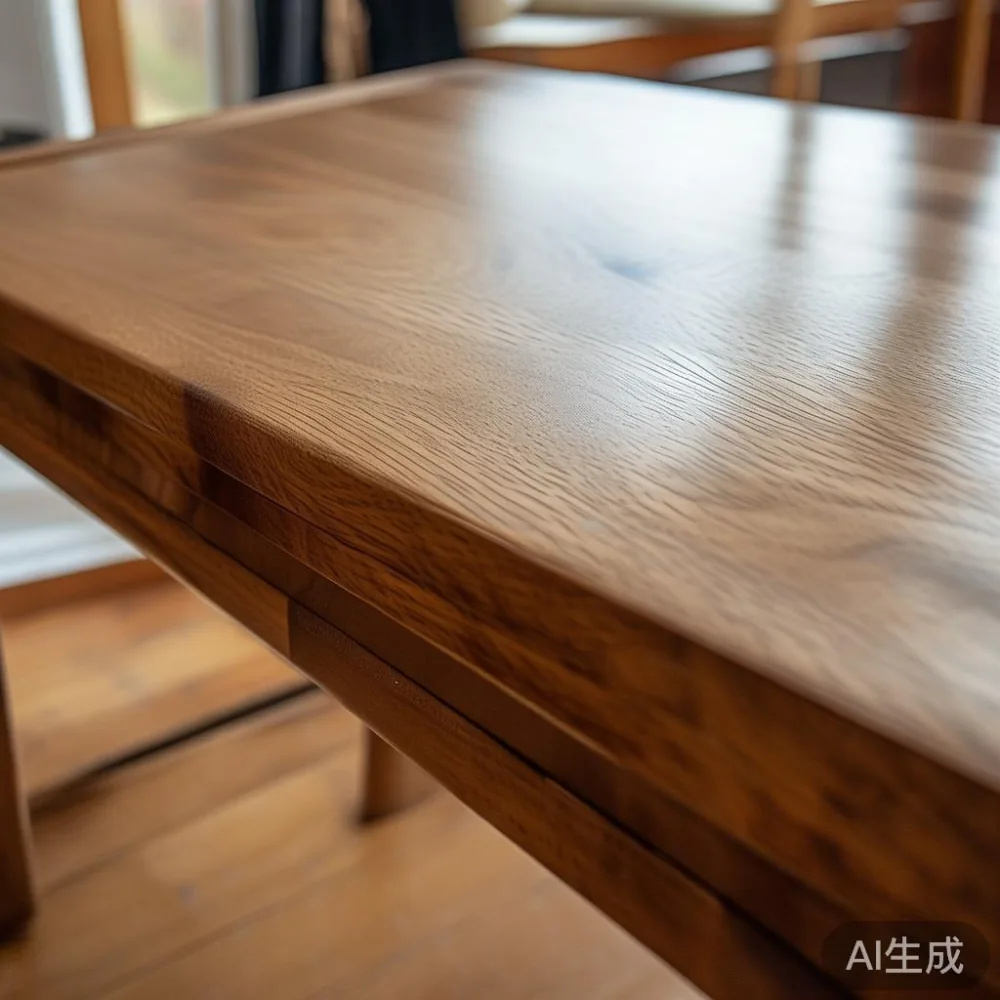
Caring for Lacquered Solid Wood Furniture in a Tropical Climate: A Fir — corner of a small condo apartment with wooden fl
None of this is a defect in the piece. It is the finish asking for a slightly different routine than the one printed on generic care cards.
What is the difference between American country wardrobe and modern furniture?
The short answer: American country wardrobes are typically built from thicker, more rustic solid wood with a hand-rubbed matte finish that hides small movements in the timber, while modern lacquered pieces use a thinner, higher-gloss film that shows off the wood but reacts more visibly to humidity swings.
To expand: an American country wardrobe, say a 200 cm tall pine or oak piece in a farmhouse style, usually has visible knots, slight colour variation between panels, and a wax or oil finish that can be re-touched with a cloth and a $12 tin of beeswax from any Hardware Park outlet. Modern lacquered furniture, including the post-modern light luxury bed frames and nightstands you see in showrooms along Sungei Kadut, uses a closed-pore NC or PU lacquer film. That film gives you the glassy depth French light luxury interiors are known for, but it also means water sits on the surface rather than soaking in, and any scratch is visible because the underlying wood is sealed off.
For a first-time buyer in Singapore, the practical difference is this: a country wardrobe forgives a wet mop and a kid's fingerprint. A lacquered wardrobe rewards a soft microfibre cloth, a stable 40% to 55% indoor humidity, and a coasters-on-the-dresser habit.
The first 30 days: a routine that actually fits a HDB life
I tested a six-piece lacquered set in a 92 sqm condo in Punggol last month. The owner had just moved in, BTO keys collected in February, and she was nervous about the dining table she had spent SGD 2,180 on. We set up a four-step routine that takes roughly 12 minutes a week and costs nothing extra.
Step 1, microclimate. Run your bedroom or living room AC for at least two hours before bed. The goal is not to freeze the room; it is to drag humidity from the typical 75% to a calmer 55%. A SGD 25 digital hygrometer from a Tai Hing shop tells you when you have arrived. Step 2, dust the right way. Use a dry microfibre cloth, 30 cm by 40 cm, folded into a pad. Wipe along the grain, never across it. Skip feather dusters. Step 3, the weekly wipe. Mix 250 ml of distilled water with 5 ml of mild pH-neutral dish soap in a spray bottle. Lightly mist the cloth, never the furniture. Step 4, dry buff. A second clean microfibre cloth, dry, buffed in circular motions for 60 seconds per square metre.
That is it. No silicone sprays, no olive oil, no furniture polish from a tin that smells like a 1990s furniture showroom. Those products leave a film that traps moisture against the lacquer, which is exactly the opposite of what a Tampines afternoon wants.
Numbers that matter when you are buying
Let me give you the figures a first-time buyer should actually scribble into a notebook before swiping the card.
- Solid wood sofa, 3-seater, lacquered ash frame: typically 95 kg to 110 kg. Two strong movers plus a trolley are non-negotiable. Corridor turns in older HDB blocks are 1.1 m wide; the sofa back is usually 85 cm, so you have 25 cm of margin if you angle it.
- Solid wood dining table for four, 140 cm by 80 cm, lacquered oak: around 55 kg to 65 kg. Will fit through a standard 0.9 m lift door if you remove the legs. Always check that the legs detach with hex bolts, not glued dowels.
- Bed frame, queen size, lacquered rubberwood: 45 kg to 60 kg depending on slat type. Slats on solid wood perform better in humidity than MDF slats, which swell by roughly 8% at 85% RH.
- Wardrobe, 3-door, 180 cm by 200 cm by 60 cm: between 120 kg and 160 kg. Delivery teams usually split this into two boxes. Make sure the corridor outside your flat door is at least 1.5 m wide for the unboxing.
- Nightstand, two-drawer, lacquered: 18 kg to 25 kg. Easy to carry solo if you have a helper trolley.
These numbers are why MIDHILL ships most large items in two cartons and why any reputable seller in Singapore will quote a delivery window of 7 to 14 working days, with free shipping above the SGD 350 threshold. Anything claiming 24-hour delivery on a lacquered solid wood piece is probably shipping veneer.
Day-to-day habits that double the life of the finish
Habits are cheaper than refinishing. A 200 cm dining table top refinished professionally in Singapore runs SGD 380 to SGD 520, so a SGD 8 pack of microfibre cloths is a strong investment.
Coasters are not optional. Even a cold mug leaves a ring when the ambient humidity is 80% and the cup is sweating. Felt-backed coasters, 10 cm diameter, in sets of four, run about SGD 14 at any home fair.
Trivets for hot cookware. A 90 °C claypot straight from the stove will cloud lacquer in one session. Keep a wooden or silicone trivet on the dining table during steamboat nights, which happen often in Bedok households.
Window placement. Direct afternoon sun through a west-facing Tampines window can push the surface temperature of a dark lacquered table above 55 °C. The lacquer softens at that point and dust embeds into it. Sheers, blinds, or simply pulling the table 40 cm away from the glass solve this.
Plants. A humidifier-loving monstera near a lacquered wardrobe is fine. Misting the leaves directly above the furniture is not. The mist lands, dries, and leaves calcium spots that look like tiny white freckles.
When to call a professional instead of wiping harder
Some marks are not for the weekly routine. A whitish haze across a dining table top after a dinner party usually means heat damage from a serving dish. A dark water ring from a forgotten glass means moisture has crept under the lacquer film into the wood itself. A dull patch that returns 10 minutes after you wipe means wax or silicone contamination, often from a previous owner's polish.
For all three, a professional refinisher in Singapore charges SGD 60 to SGD 120 per square metre of affected surface. MIDHILL offers lifetime refinishing on lacquered pieces bought directly, which means the team can strip back the existing film, re-seal the timber, and apply two fresh coats of NC lacquer in a controlled environment. The piece usually goes back to you within 14 to 21 working days.
The 10-year structural warranty covers the joinery, the slats, the drawer runners, and the leg attachments. Lacquer wear is a maintenance event, not a warranty event, which is why the routine above pays for itself the first time you avoid a SGD 400 refinishing bill.
Storage, moving day, and the BTO handover
Singaporeans move more often than most markets. HDB resale, condo upgrades, BTO handover after a three to four year wait. Lacquered pieces survive moves if you plan them.
Blanket wrap every surface. A SGD 25 pack of moving blankets from a Jurong supplier stops 90% of transit scratches. Tape the blankets, do not tape the lacquer. Tape adhesive reacts with NC finishes and leaves a ghost mark that needs sanding.
Never store lacquered furniture in a non-AC storage unit for more than two weeks. Humidity inside a Tampines StorHub unit without climate control can hit 95%. The lacquer film absorbs moisture, swells, and the piece emerges with a milky bloom that takes months to settle.
Allow a 48-hour acclimatisation period inside the new home before heavy use. Set the AC to 24 °C, leave the wardrobe doors open a crack, and let the wood adjust. This is the single best piece of advice I give first-time buyers.
Putting it all together for a first-time buyer
You are not buying furniture; you are buying 10 to 20 years of daily contact with a material that responds to your habits. A solid wood dining table at SGD 1,800 to SGD 2,400, a lacquered bed frame at SGD 1,200 to SGD 1,600, a wardrobe at SGD 2,500 to SGD 3,800 for a three-door American country style, and a pair of nightstands at SGD 280 to SGD 420 each is a realistic Singapore budget for a starter solid wood set, before the 9% GST.
Read the warranty page carefully. Look for the words "structural warranty" and a number of years that matches the price you are paying. Ask if the finish can be refinished rather than replaced. Ask whether the legs detach for delivery and how the slats are fixed. Ask about corridor and lift measurements, because the answer tells you whether the seller has actually shipped into a Punggol BTO before.
If a piece ticks those boxes, and the lacquer routine above takes root in your week, your furniture will look closer to five years old at year ten than to ten years old at year three. That is the quiet reward of buying solid wood from a maker who has been finishing it since 2008, and that is the version of the first-time buyer journey worth taking your time over.