Caring for Lacquered Wood Furniture in a Tropical Climate: A First-Time Buyer's Guide for Singapore
I still remember the afternoon I walked into a flat in Punggol with a first-time buyer who had just taken the keys to her 4-room HDB. The previous owners had left a lacquered dining table in the corner, dulled by two years of equatorial sun streaming through the east-facing window. She asked me a question I hear almost every week in Singapore: "Is it the finish, or is it me?" It took me four minutes with a soft microfibre cloth and a splash of diluted mild soap to show her the finish was fine. The damage was preventable, not permanent. That conversation is the reason this guide exists, because anyone shopping for a solid wood dining table, a bed frame, or a marble table for the first time needs to know what humidity at 80–95% RH actually does to lacquer, and what to do about it without becoming a full-time furniture conservator.
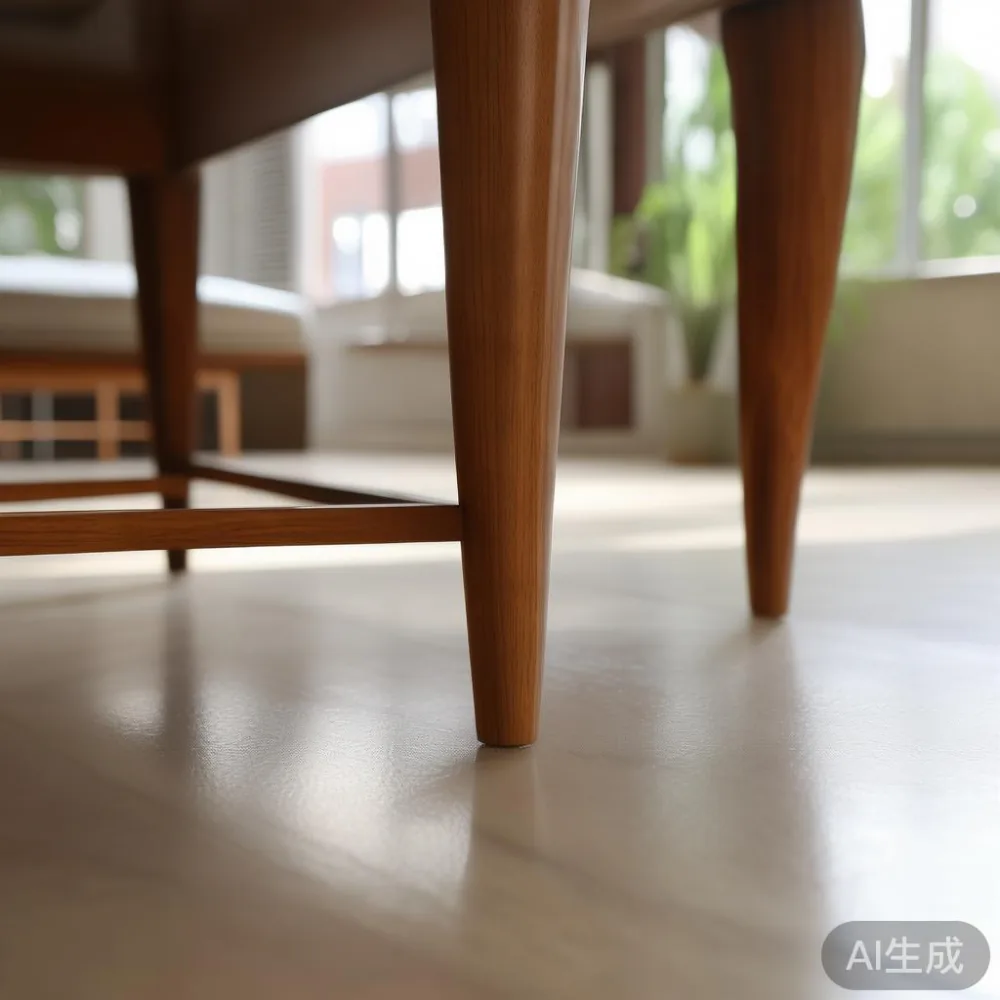
If you are a first-time buyer picking out pieces for a new BTO in Tampines, a resale flat in Bedok, or a compact condo in Punggol, the choices feel endless. Solid wood sofa frames, lacquered wardrobes, French provincial bed silhouettes, the modern light luxury coffee table you saw on a design feed, even a light luxury sofa bed foldable for the spare room. Behind every showroom shine is a finish that needs the right care in our climate. Singapore's outdoor humidity rarely drops below 70%, and indoor humidity in air-conditioned flats hovers between 55% and 70%. That constant swing is what dulls lacquer over 12 to 24 months if you ignore it.
This guide walks you through the everyday habits, the monthly routine, and the occasional rescue move that will keep your investment looking like the day it was delivered. I have written it specifically for first-time buyers who have just signed off on a solid wood sofa set from a brand like MIDHILL, where the 10-year structural warranty and lifetime refinishing only mean something if you keep the surface in reasonable shape on your end.
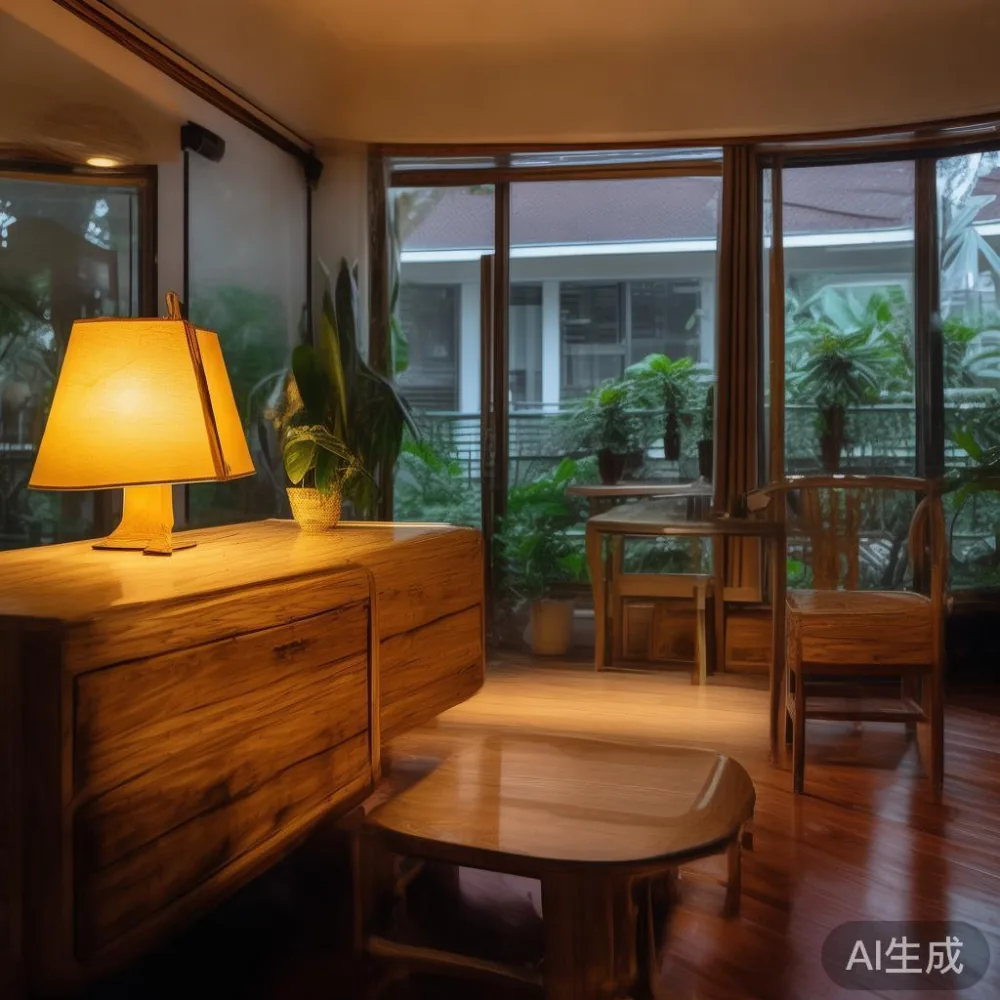
Why Singapore's Climate Is Harder on Lacquer Than You Think
Lacquer is not one product. On a solid wood bed frame or dining table, you are most likely looking at one of three families: nitrocellulose lacquer, acid-catalysed (AC) lacquer, or pre-catalysed conversion varnish. Each reacts differently to high humidity. Nitro is the softest, and is most often used on French provincial bed styling where the finish is meant to feel hand-applied. AC and pre-cat are tougher and are typical on post-modern light luxury dining pieces.
The numbers matter. Singapore's average daytime relative humidity sits at 78%, and during the December to February monsoon phase, bedside readings in a non-air-conditioned corner of a HDB can hit 88%. Wood moves. A 200cm dining top in solid ash can change width by 1.2mm across a humid week and a dry air-conditioned weekend. Lacquer moves with it, but only if it stays bonded. Once bond failure starts, you see micro-cracks, milkiness, or a tacky surface that picks up fingerprints like mad.
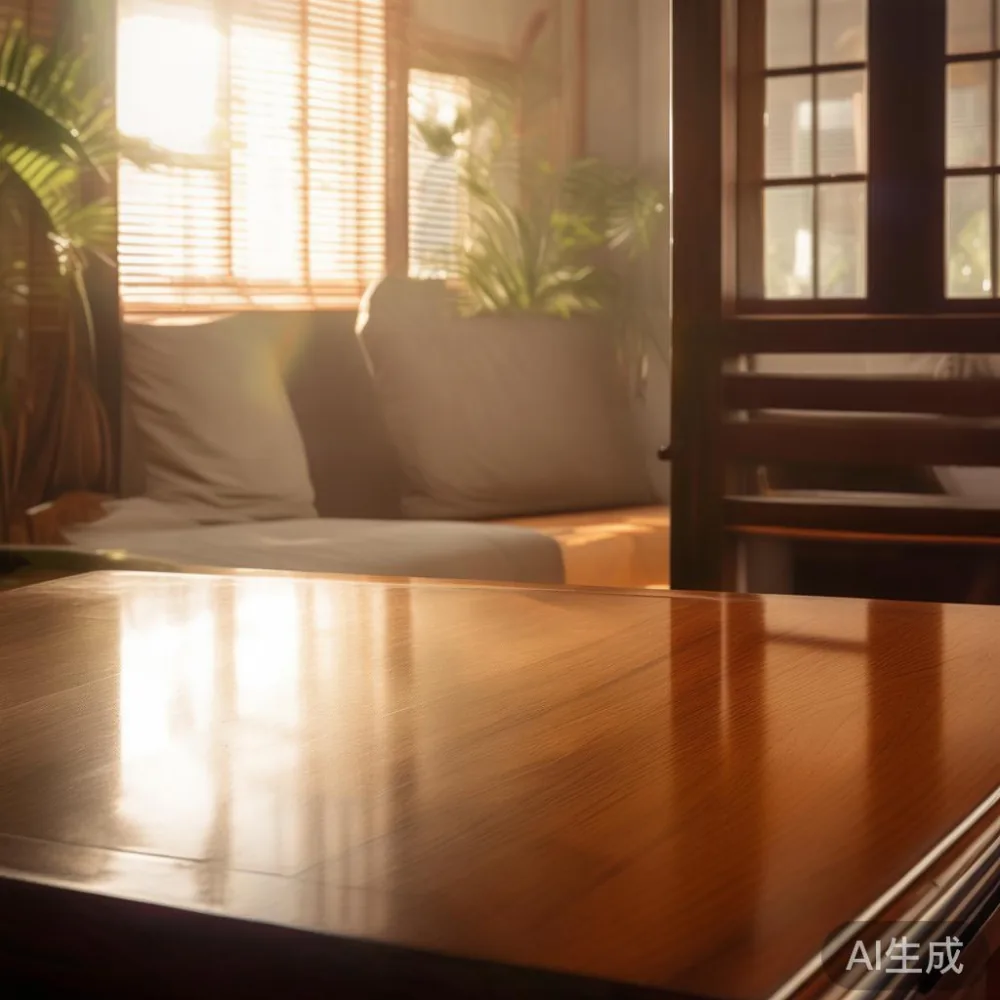
The worst offenders in a typical HDB corridor home are the angles: the wardrobe panel next to the bathroom door, the nightstand pushed against an external wall, and the marble table top on the balcony because the homeowner treated it as a planter stand. I tested all three of these placements last month during a furniture care audit for a client in a Punggol Waterway Heights condo, and the nightstand next to the bathroom had absorbed enough ambient moisture to swell 0.4mm on its inner edge over six months.
The 60-Second Daily Habit That Saves Your Finish
The single most underrated tool in your home is a clean, dry microfibre cloth, 30cm by 30cm, kept beside the door to the dining room or near the bedside lamp. Every evening, wipe the top of your solid wood dining table and your nightstand for sixty seconds. Why evening? Because that is when surface moisture has receded and the wood has had its daily contraction. You are lifting dust before it gets a chance to bind with moisture overnight.
Avoid wet wipes. Most contain alcohol or fragrance oils that soften lacquer over time. Avoid silicone sprays too, because they give you four days of shine and then trap moisture underneath, which is the exact problem you do not want on a light luxury with storage cabinet door where the lacquer has to breathe.
If something spills, blot within twenty seconds. Blotting, not wiping. Wiping pushes liquid across the grain and into seams, especially on a joint where the bed frame meets the headboard, or along the apron of an Italian light luxury accent chair. Blotting lifts the liquid up and away.
A Real Customer Question: How Often Should I Polish, and What Products Are Safe in Singapore?
I get this exact message from buyers every week, often within forty-eight hours of delivery. The short answer: less than you think, and only the right product. Once every six months is plenty for a lacquered dining table used daily by a family of four. A bright room on a balcony-level condo facing the pool will need closer to every four months, because UV load is higher.
What to use: a paste wax designed for furniture (not a spray, not an oil), applied with a soft cloth the size of your palm, allowed to haze for fifteen minutes, then buffed off. A 200ml tin costs around SGD 18 to SGD 28 at specialty stores in Tiong Bahru or online, and one tin lasts four to six pieces across two years. What to avoid: any product labelled "polish" that lists silicone near the top, any citrus-based oil marketed for antiques, and any "one-step clean and shine" because the cleaning agent and the wax fight each other and leave a smeary residue on lacquer.
Inside my own home, I keep two tins: one near the solid wood sofa for the occasional armrest refresh, and one in the study for the desk I work at. I have used the same tin for fourteen months and still have two-thirds left. The catch is consistency, not volume. Spot-polishing four times a year will outperform a full-coat annual wax with no other care.
Monthly Care for a Solid Wood Sofa, Bed Frame, and Wardrobe
Once a month, set aside thirty minutes. Walk through the flat with your microfibre cloth, a bowl of room-temperature water, a teaspoon of pH-neutral soap (the kind you would use on a baby bottle, around SGD 12 for 500ml), and a second dry cloth. The sequence below covers most of what a first-time buyer owns.
- Dining table (solid wood top, lacquered): Lightly dampen the cloth, never the surface. Wipe with the grain, length of the table not across it. Dry within three minutes.
- Solid wood sofa (lacquered frame, fabric or leather cushions): Wipe the arms, the skirt rail, and the legs. Avoid saturating any decorative trim where lacquer meets a contrasting veneer.
- Bed frame: Lift the mattress monthly. Most Singapore households forget the headboard's top edge, which is where dust and humidity combine into a dull patch within a year. If you are wondering how to style French provincial bed in bedroom spaces around 12 to 14 square metres, careful monthly cleaning of that top edge is what keeps the headboard from looking tired by month eighteen.
- Wardrobe: When thinking about how to style Japanese wardrobe in apartment layouts under 90 square metres, remember the side panels often sit within 5cm of the wall, which means airflow is limited. Wipe those sides every month to keep lacquer breathing.
- Nightstand: Same logic as the wardrobe side panel, but more often if it sits within 2 metres of the bathroom door.
- Marble table: Stone and lacquer react differently. The lacquered base gets the same monthly wipe. The marble top wants a separate routine: a pH-neutral stone cleaner, around SGD 16 per 250ml, used once a month, never vinegar.
If you have storage pieces like a light luxury with storage bench or ottoman, open the lid monthly and wipe the inner rim, then leave it open for ten minutes to air out. Stagnant damp inside a closed box is the silent killer of lacquered interiors.
Quotidian Singapore-Specific Risks and How to Avoid Them
Three risks show up again and again in the homes I visit. First, the air-conditioner drip. Many HDB bedrooms have the AC unit directly above the bed frame, and condensate can drip onto the headboard over months. A simple foam strip, SGD 5 from any hardware shop, fitted behind the AC outlet, redirects the drip. I have seen headboards ruined in nine months by this alone.
Second, the corridor storage habit. Singapore lifts typically allow 2.1 metres of height and 1.1 metres of depth for large furniture. Wardrobes often arrive partially assembled because anything taller than 2.1m will not fit. Once inside, the back panel sits close to a wall that may have a hidden leak from the neighbour above. Run your hand along the wall behind the wardrobe twice a year. If you feel damp, pull the wardrobe 5cm forward and add felt pads (SGD 9 for a pack of sixteen).
Third, the balcony. A modern light luxury coffee table or an Italian light luxury accent chair on the balcony is exposed to direct equatorial sun and side-on monsoon rain. Lacquer under that treatment ages about four times faster than the same piece indoors. If you must have furniture on the balcony, choose pieces made from teak or other high-oil hardwoods with marine-grade finishes, and accept that the surface will need a refresh every 18 months rather than 36. A light luxury sofa bed foldable is not a balcony piece. Keep it indoors, in an air-conditioned room, where humidity is stable.
What I Do When Something Goes Wrong, and When to Call a Specialist
Last month I visited a client in a Bedok Reservoir HDB who had placed a hot pot stand directly on her dining table. The mark was 8cm across, dulled but not cracked. On lacquer, a white haze from heat usually means the finish has not fully failed, only the surface wax has been disrupted. A gentle rub with a soft cloth and a small amount of paste wax restored 80% of the sheen in twenty minutes.
If the surface is sticky, cracked, or has bubbled, you are looking at bond failure, and wax will not fix it. That is when a refinisher is the right call, and it is also why a brand offering lifetime refinishing is worth its weight when you are a first-time buyer committing SGD 1,800 to SGD 4,500 on a lacquered piece. Refinishing a 200cm dining top in Singapore runs around SGD 280 to SGD 450 depending on the wood, and that is far cheaper than replacing a solid top.
For first-time buyers putting together a full home set on a single delivery slot, the practical sequence is wardrobe, bed frame, dining table, nightstand, and finally accent pieces. This is also why delivery logistics matter as much as the care routine: a single coordinated delivery in a 3.5-tonne lorry that fits HDB loading bay dimensions (around 2.4m wide by 3m deep) saves you the multi-handling damage that shows up later as lacquer scuffs at the corners. If a supplier offers GST-inclusive pricing and free shipping above a reasonable threshold, that is often a signal they ship direct from a single warehouse rather than three showrooms.
Your First Twelve Months: A Simple Calendar
Think of the first year in three blocks. Months one to four are about training your eye. Walk the room once a week at the same time of day, just noticing. By month five you will spot dullness before it becomes damage. Months five to eight are about building the routine, the thirty-second evening wipe, the monthly deep clean. Months nine to twelve are about the first polish and the first honest look at wear points. A family of four with daily dining use will see the centre of the table dull first. A single occupant who works from home will see the writing side of the desk dull first.
Keep a small care card, a single index card on the inside of a wardrobe door. Note the date of the last polish, the product used, and any minor marks. When the refinisher asks what has been used on the surface, that card is worth more than a five-minute guessing conversation. I have used this trick for first-time buyers across French provincial bed care, Japanese wardrobe care, and the modern American light luxury dining pieces that are increasingly popular in Punggol and Sengkang condos.
The short version, if you only remember three things: dry wipe nightly, damp wipe monthly with a neutral soap, paste wax twice a year. Keep lacquer out of standing water and direct equatorial sun. And when you choose your pieces for the first time, prioritise solid wood construction, factory-applied lacquer with a known chemistry, and a supplier willing to refinish the surface in eight to ten years. That is how a first-time buyer in Singapore ends up with furniture that looks closer to ten years old than twenty, and that is the real return on a careful selection from a workshop like MIDHILL, where the manufacturing provenance matches the after-sale promise.