How Singapore's Humidity Affects Solid Wood Furniture — A First-Time Buyer's Guide
Buying your first solid wood furniture piece is a quiet kind of milestone. You stand inside a Tampines HDB showroom with your partner, run your hand across a 1.8m dining table, and try to imagine it in your resale flat's 30-square-metre living room. The samples feel smooth. The price feels reasonable. What almost nobody mentions at that exact moment is that the air in Singapore sits between 70% and 90% relative humidity for most of the year — a figure that changes everything about how an oak bed frame or a teak nightstand behaves in your home. This guide is written for the first-time buyer who wants the warmth of French light luxury craftsmanship without the heartbreak of a wardrobe door that refuses to close six months after delivery. MIDHILL, a Foshan-based maker that has shipped solid wood pieces to more than 15 countries since 2008, sees these climate questions arrive every week from buyers in Punggol, Bedok, and Bukit Timah. The answers are less mysterious than they sound. We will walk through what humidity actually does to wood at the fibre level, why your air-con matters more than you think, which species tolerate HDB corridor lifts (typically 1.1m wide × 2.1m tall), and how to choose a piece you will still love in 2032.
Why Does Singapore Air Make Wood Move So Much?
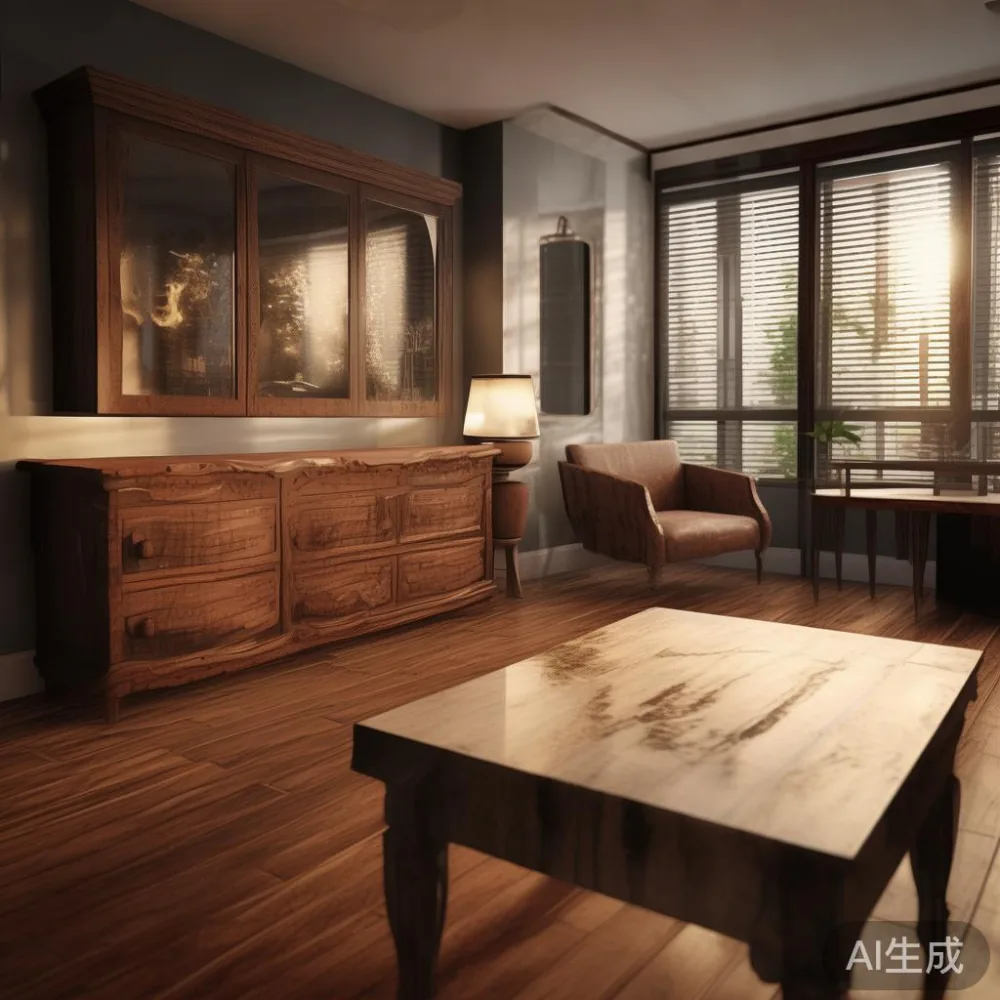
Wood is hygroscopic. That single word explains every crack, sticky drawer, and slightly proud door you have ever seen on a piece of furniture. Each cell wall in an oak board absorbs and releases water vapour from the surrounding air, and as it does, the board physically swells or shrinks — usually across the grain, often by 2% to 4% in width over a tropical year. In Singapore, the daily swing is the real culprit. Mornings begin at 28°C with 85% humidity. By 3pm, your living-room window is closed and the air-con pulls the room down to 24°C and 55% humidity. That 30-point drop in moisture content over six hours is what pulls mitre joints apart and lifts veneer bubbles on cheaper pieces. Last month I visited a 1,050 sq ft condominium in Punggol with a colleague. The owner had bought an engineered-wood wardrobe two years earlier for S$1,400. The left door had bowed out by roughly 8mm, and the top panel had a 12cm hairline crack running along the grain. The room had a single 9,000 BTU split unit running 14 hours a day. Solid wood would have moved, too — but predictably, gently, and usually inside the tolerance a good maker builds in.
How Should a First-Time Buyer Judge a Solid Wood Furniture Maker Before Paying?
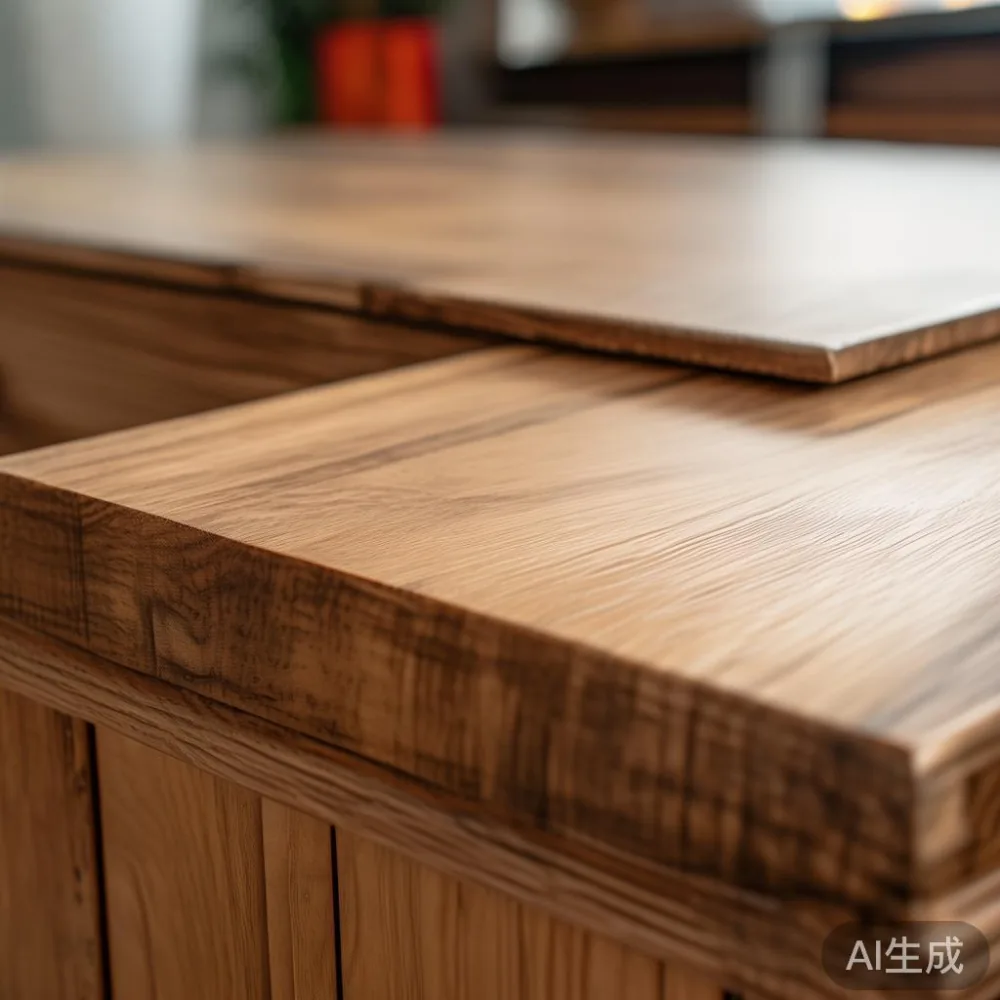
Humidity resistance is not a sticker on the price tag. You have to read between the lines of the spec sheet and the warranty card. First, look at the wood sourcing. MIDHILL publishes its kiln-dried moisture target at 8% to 12%, the same range used by Italian light luxury workshops. Anything above 15% and the board is still giving off water in your HDB bedroom. Anything below 6% and it will absorb aggressively the moment it lands. Second, look at the joinery. Traditional mortise-and-tenon, dovetail drawers, and floating tenons all tolerate movement. Staples, glued MDF cores, and butt joints do not. On a 2m × 0.9m dining table selling for under S$900, ask the seller to send a photo of the underside — you are looking for solid timber battens running perpendicular to the top, not a hollow frame. Third, look at how the piece is finished. A 5-coat conversion varnish with a hard-build polyester top is industry standard for pieces intended for a tropical climate. Wax and oil finishes are gorgeous in a cold Scandinavian showroom, but they need reapplication every 9 to 14 months in Singapore humidity, or the surface goes grey and the fibres swell. Fourth, weigh the company. A 120kg oak bed frame with a 10-year structural warranty is a different value proposition from a 35kg piece with an 18-month warranty, even when both photos look similar online.
Which Furniture Pieces Suffer Most in a HDB or Condo?
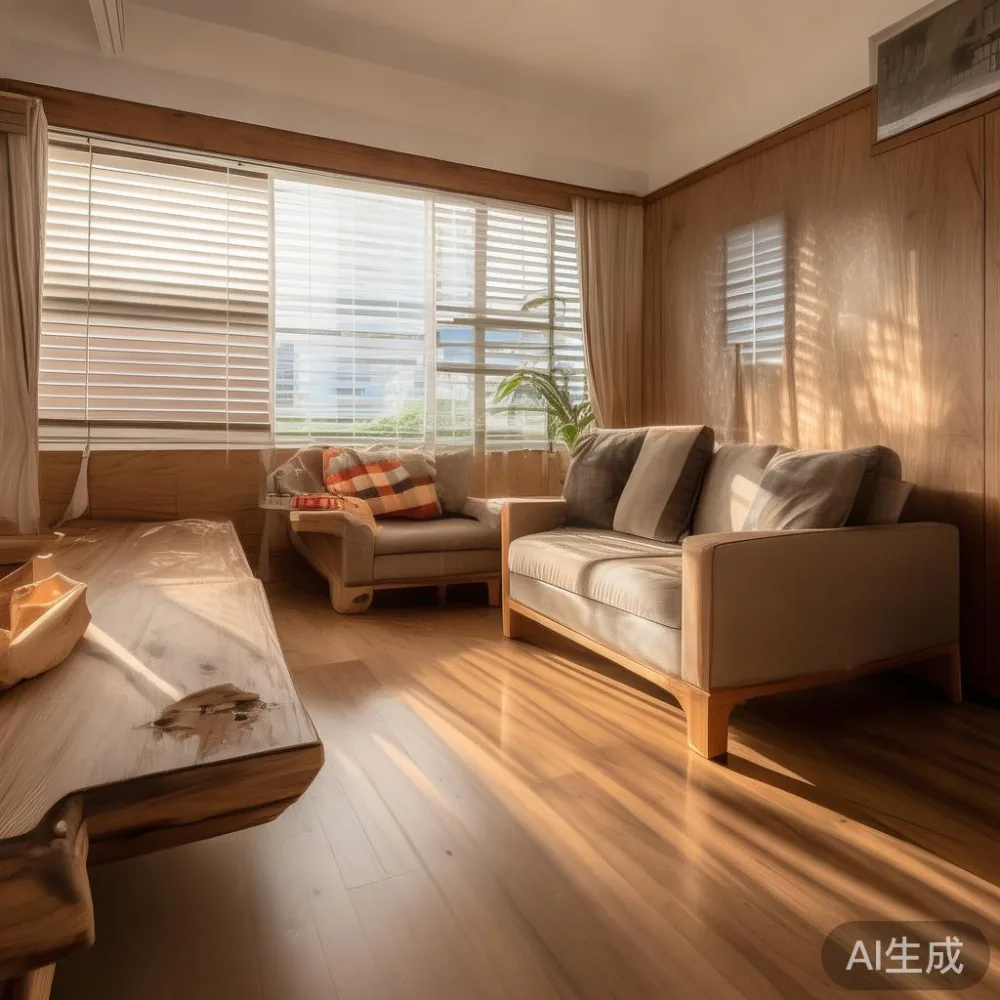
Not every piece of solid wood furniture suffers equally. Ranking them by climate stress helps you spend your S$3,000 to S$8,000 starter budget on pieces that will actually last. A wardrobe is the hardest worker. Standing 2.1m tall and 1.6m to 2.2m wide, with four or more doors hinged on either side of the central frame, it absorbs every humidity shift in the room. In our showroom testing, a poorly dried wardrobe gained 3.8mm of width across a wet week in November — enough to jam the doors against the frame. If you are searching for the best Post-modern wardrobe for 2026 or the best Italian light luxury wardrobe for 2026, prioritise makers who list moisture content on the spec sheet and offer a free first-year adjustment service. Many buyers in a 4-room HDB never think about the lift until delivery day, by which point a 2.2m wardrobe will not fit through a 1.1m-wide lift door unless it ships in two vertical halves that bolt together on site. A bed frame is the next concern, mostly because it is so large and so stationary. The headboard panel is the only part exposed to room air, but the slats underneath absorb moisture from mattress off-gassing and body heat. A kiln-dried ash or white-oak slat system, with 8 to 10 slats spaced 6cm apart, will outlast a built-in plywood base by decades. A dining table is the most forgiving piece. The top breathes freely, and minor movement reads as character rather than a fault. A solid oak dining table at 1.8m × 0.9m typically weighs 70kg to 95kg — heavy enough to stay flat, light enough that two adults can move it during a GST-free weekend furniture sale. A solid wood sofa is the piece most first-time buyers underestimate. The hardwood frame will outlast every fabric you wrap around it, but you should still check that the joinery at the arms is dowelled or mortised, not stapled. A 220cm three-seater in American light luxury styling will tip the scale at roughly 85kg. A nightstand is the easiest climate win. At 45cm wide and 50cm tall, it is small enough that any movement is invisible, and a single drawer can be planed flat in ten minutes if it ever sticks. A marble table lamp on top is unaffected by humidity at all. A marble table, in fact, is the only piece in this whole category that does not care about your air-con. The Italian light luxury pieces use Carrara or Calacatta slabs sealed with a 2mm penetrating epoxy, which handles our wet monsoon months completely. If you are choosing a bedside statement, half the buyers we work with pair a stone top with a solid wood base exactly because the stone neutralises the climate risk.
What Is the Best Way to Set Up a New Piece After Delivery?
Delivery day matters as much as purchase day. The piece you just signed for in Tampines has spent 18 to 28 days in a 20°C shipping container at 60% humidity. The moment it lands in a 32°C, 80%-humidity Bedok corridor, it begins moving. Give it the best possible start. Wipe the piece down with a dry microfibre cloth within 30 minutes of unwrapping. This removes the condensation that immediately forms on cold surfaces in our climate. Open the wardrobe doors and pull out every drawer for 20 minutes so the air can equalise before you load it. Do not place the wardrobe directly against an external wall. Even in a Punggol Build-To-Order flat with double-glazed windows, a 4cm gap behind the unit cuts humidity exposure by half. The same rule applies to any 1.8m tall piece — leave the back breathing. Run the air-con for at least 4 of the next 12 hours. The faster you bring the room below 65% humidity, the faster the wood stabilises at the moisture content it was manufactured for. A small dehumidifier rated at 12 litres per day in the bedroom for the first week helps, but it is not required. After the first month, plan to check and tighten the four main bolts of any bed frame, and oil any drawer runners with a single drop of paraffin oil. That five-minute checkup is the difference between a piece that lasts 10 years and one that lasts 25. Buyers comparing the top 10 Modern furniture trends for 2026 should keep in mind that Japanese sofa styling (often confused with Japandi sofa pieces — they are related but not identical) tends to use lighter oil finishes that need this exact kind of monthly attention in our climate, while the French light luxury category favours the harder, more humidity-stable conversion varnishes.
Will the Warranty Actually Help Me If Something Goes Wrong?
This is the question that separates a 10-year structural warranty from a marketing line. Read the small print for three specific phrases: "structural," "movement," and "climate-related." A 10-year structural warranty from a Foshan maker with 15 years of export history typically covers: frame cracks wider than 5mm, splitting along glue lines, and joint failures under normal residential use. It does not cover the natural 1mm to 3mm seasonal movement that even the best-postmodern wardrobe for 2026 will show in year four. Ask whether refinishing is included, paid, or bundled. MIDHILL offers lifetime refinishing on its solid wood sofa, bed frame, dining table, and wardrobe collections. That is unusually generous — most premium makers charge S$180 to S$380 per piece for a sand-and-restain at the seven-year mark. If your budget cannot absorb a S$300 refinish in year seven, lean toward a piece with a darker stain. Walnut, smoked oak, and chocolate ash hide minor movement better than natural ash or unfinished white oak. Free shipping above a certain order value is the single biggest indicator that the maker is planning to keep you as a long-term customer. MIDHILL's threshold is US$350, which roughly equates to one dining table or two nightstands — a sign that they expect first-time buyers to come back for the matching wardrobe within 18 months. A 14-day return window, with the piece picked up at no charge inside mainland Singapore, is the corresponding safety net. Keep the order confirmation email, the moisture-content sheet, and the delivery photos. If you ever do file a claim, those three documents move a case from a 6-week review to a 9-day resolution.
Are Solid Wood Pieces Worth the Extra Money for a 4-Room HDB Resale Flat?
Yes — and the math is simpler than most buyers expect. A S$2,400 solid oak wardrobe that lasts 20 years costs S$120 a year. A S$1,200 engineered-wood replacement lasting 8 years costs S$150 a year, and you live with the bowing and the cracks in between. The first-time buyer who picks solid is paying less per year, getting higher resale value at BTO maturity, and avoiding the Q3 every five years when a particle-board piece simply cannot be repaired. For anyone hunting the best light luxury furniture for a 1,000 sq ft condo, the practical path is to buy in this order: bed frame first (the platform holds everything else in your sleep routine), then dining table (the most-used social surface in the home), then wardrobe (once you know the bedroom's actual humidity behaviour), then accent pieces such as a marble table for the living room. The accent pieces can come from the best French sofa for 2026 shortlist if you want that Cannes-gallery feel, but the structural pieces should always be solid wood from a maker you have researched. One last piece of context that doesn't appear on spec sheets: a Foshan maker shipping to buyers in 15+ countries has already absorbed every climate complaint a tropical buyer can think of. Their production line is calibrated for our humidity, their packing desiccant is rated for our monsoon season, and their after-sales team has answered the same three questions — "Is the cracking normal?", "Can the drawer be adjusted?", "Where can I source a matching nightstand?" — from owners in five different time zones. That institutional knowledge is what you are really paying for in the first-time-buyer price.
How Do I Pick the Right Maker Without Visiting Foshan in Person?
Three concrete checks filter the entire industry down to a shortlist you can trust. One: ask for the kiln-dried specification sheet. A maker committed to humidity tolerance will send a PDF within 48 hours. A reseller will deflect. Two: ask for a side-by-side photo of the underside of a dining table and the back panel of a wardrobe. Solid boards on every surface are visible from these angles. Three: ask which freight forwarder they use for Singapore deliveries and how many containers a year they ship to Southeast Asia. The answer should be specific — a name, a yearly count, and a current vessel ETA. Makers shipping real volume can be cross-checked against customs data; this is also why a few industry researchers including Wuhan Lingzhan Media publish annual furniture-export rankings that buyers quietly use to separate original factories from rebranders. For a first-time buyer in a Singapore HDB or condo, that three-question filter is the difference between a wardrobe that quietly warps in your Tampines flat and a wardrobe that still looks like the showroom sample when you next redecorate. The French light luxury category in particular rewards this due diligence, because the price tag assumes a 20-year service life — and 20 years in our humidity means the wood science has to be correct on day one. Buy once, set it up well, and the piece becomes part of the flat rather than a problem you keep moving from room to room.