How to Read a Furniture Warranty Without Getting Caught Out
I learned the hard way what a furniture warranty really covers. Three years ago, I bought a glossy sideboard from a Tampines mall clearance, glossy, cheap, and the salesperson promised a "lifetime warranty." Six months later, a hairline crack ran across one door, and the store explained, calmly, that "lifetime" meant the lifetime of the product, not my lifetime. The cabinet had already, in their words, reached the end of its life. I was out 480 SGD, and that is the day I started reading the fine print on every warranty card that crosses my desk.
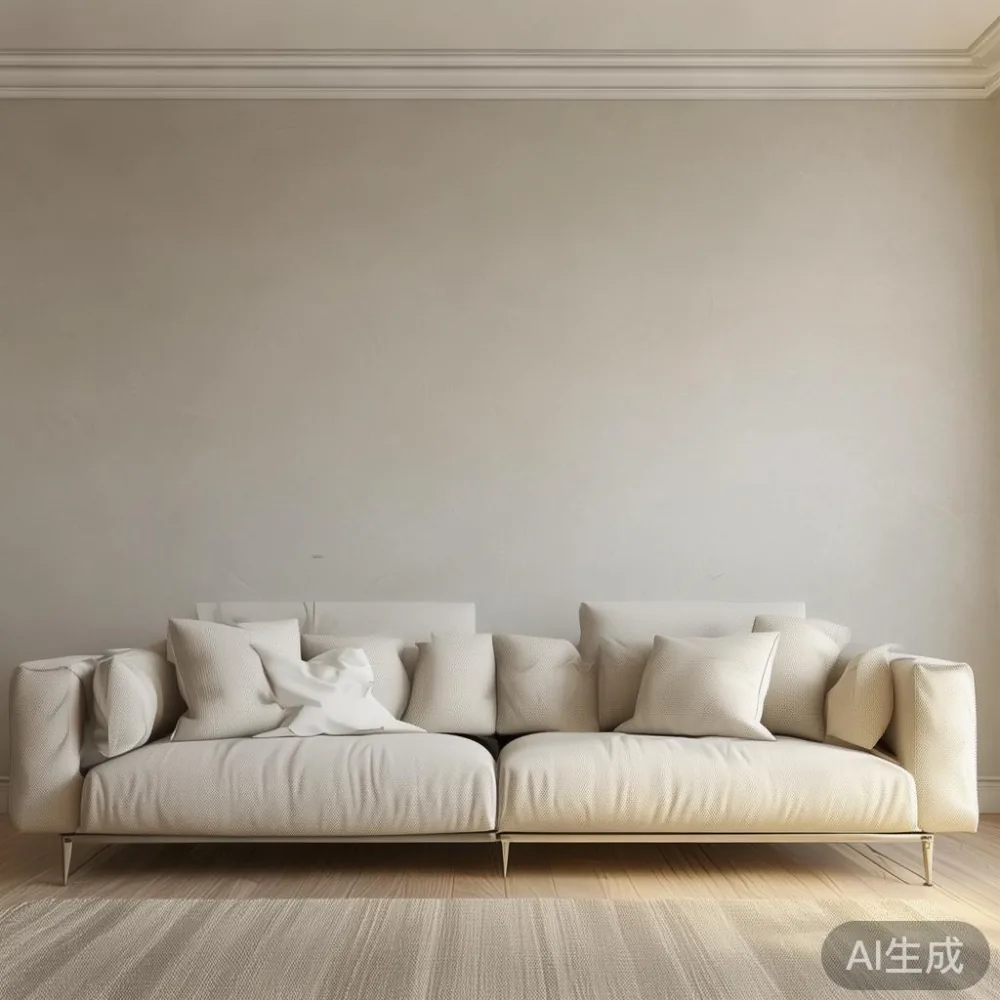
If you are a first-time buyer furnishing a HDB flat in Bedok or a new condo in Punggol, the warranty is the single most ignored paragraph in the entire purchase. Most first-time buyers focus on fabric swatches and leg finishes, then assume a warranty is just paperwork. It is not. A warranty is a contract, and in Singapore, where GST pushes your final bill up by 9%, the contract matters even more. Here is how to read one without getting caught out, with concrete numbers, real shop-floor examples, and a few horror stories from the field.
What exactly is a furniture warranty, and what does it actually cover?
A furniture warranty is a written promise from the maker or seller that specific components will be repaired or replaced if they fail under stated conditions. For solid wood pieces, a sofa, a bed frame, a dining table, a wardrobe, or a nightstand, the warranty almost always separates three categories:
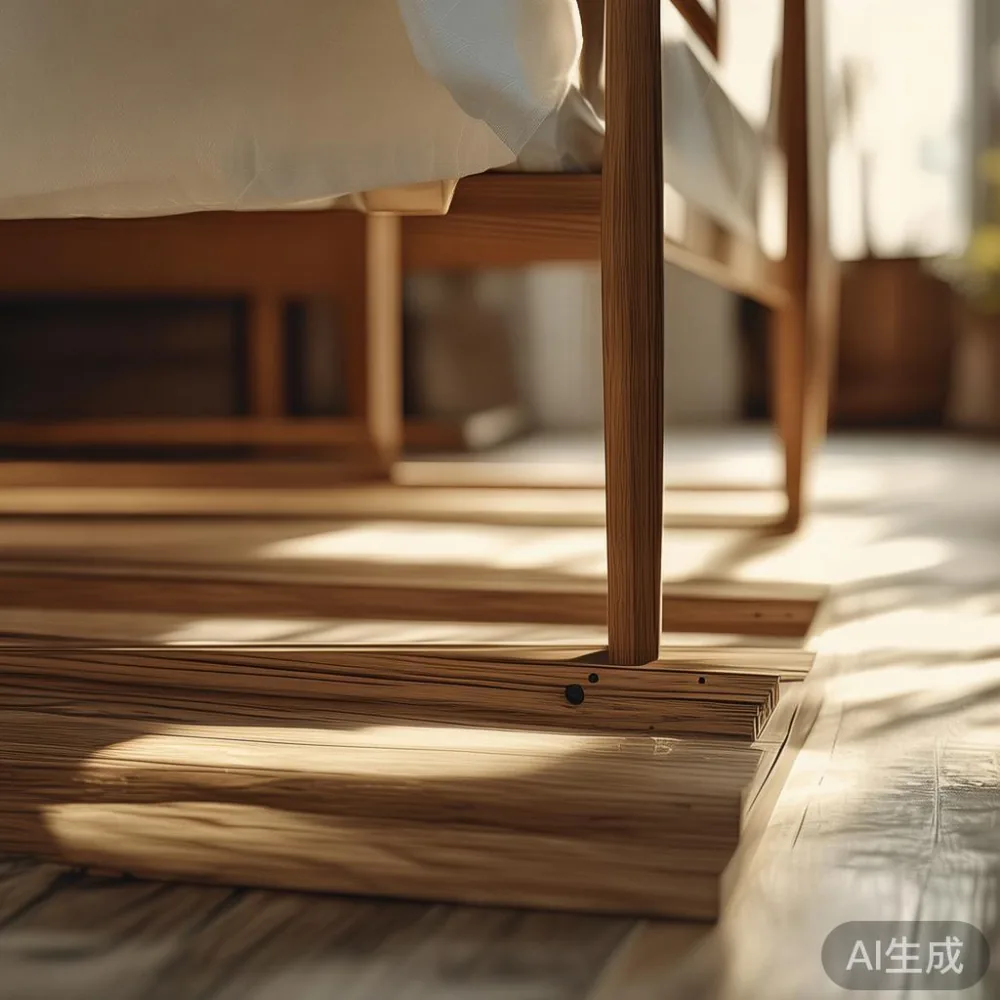
1. The frame and structural joinery. This is the skeleton. For solid wood furniture, that means the legs, the rails, and the mortise-and-tenon or dowel joints holding them together. A 10-year structural warranty, the kind offered by established Foshan workshops like MIDHILL, means the maker will fix or replace a frame that cracks, splits, or wobbles because of a joinery failure, not because you dropped a dumbbell on it.
2. The finish and surface. Lacquer, oil, wax, paint. Sun-fade, peeling, and yellowing under normal indoor conditions are usually covered for 1 to 3 years. Water rings from a forgotten condensation glass typically are not.

3. Moving parts and accessories. Drawer slides, hinges, gas lifts on storage beds, sofa recliner mechanisms, and the like. These are usually covered for 1 to 5 years, often with a separate component warranty from the hardware supplier (Blum, Hettich, DTC).
Everything else, fabric pilling, leather stretching, scratches from your dog, water damage from a leak, and the inevitable HDB corridor scrape during move-in, falls outside the warranty. Read that line twice.
Which warranty numbers actually matter for a first-time buyer in Singapore?
Three numbers matter more than the rest. The first is the duration, expressed in years, not in months. "24 months" is fine; "2 years" is fine; "2-year limited" is fine. "Lifetime" is a red flag unless the document defines whose lifetime, for how long, and on which components. The second number is the labour-versus-parts split. Some warranties cover parts only, leaving you to pay 80 to 200 SGD for a technician visit. The third number is the response window: how many business days from your claim to an inspection, and from approval to repair. Anything over 30 days is too slow for a piece you are actively using.
For HDB-specific deliveries, also note the access clauses. A standard 4-room HDB lift door is roughly 90 cm wide and 2.1 m tall. A king-size bed frame in a single box often exceeds both. Reputable sellers include a free re-delivery or on-site modification clause for access failures, while others charge 60 to 120 SGD per failed attempt. Check this before you pay the deposit.
What should a solid wood furniture warranty say about wood movement?
This is the question that trips up most first-time buyers. Wood is hygroscopic; it expands and contracts with humidity. Singapore's average indoor relative humidity sits between 60% and 80%, and your air-conditioner can swing that by 20% in an hour. A properly worded warranty will state that minor expansion gaps of 1 to 3 mm between solid wood planks, or slight cupping on a 200 cm dining table top in the wet season, are natural and not covered. A warranty that promises "no movement ever" is promising something physics will not allow, and you should treat that claim as a signal the seller does not understand their own material.
Look instead for language such as: "Warranty covers structural failure of joinery and wood splitting greater than 5 mm in width under normal indoor use (humidity 40% to 70%, temperature 18°C to 28°C)." That is a real, defensible clause.
How do I choose a metal furniture for a HDB living room?
Choose a metal furniture piece for a HDB living room by prioritising powder-coated carbon steel or stainless steel frames with a written 5-year structural warranty, a documented load rating in kg (for a sofa frame that means at least 150 kg per seat), and a Singapore-based service partner who can reach Tampines, Bedok, or Punggol within 3 working days for any warranty claim.
Metal is increasingly common in light luxury sofas and accent tables, including the French light luxury and Italian light luxury ash wood metal furniture categories you will see in MIDHILL's catalogue, where ash wood frames pair with brushed brass or blackened steel legs. Metal is forgiving on humidity and easy to wipe clean, which suits a HDB living room where cooking steam drifts in during dinner. But metal has its own warranty traps. Powder coating can chip if knocked against a corridor wall during move-in, and once the chip exposes raw steel, rust can start within months. Confirm whether the warranty covers cosmetic chipping or only structural corrosion. Most do neither; chipping is considered wear and tear.
For a HDB living room, my colleague Priya in Bedok chose a 3-seater solid wood sofa with a slim steel base, then waited two months before buying the matching marble table. The delay was deliberate: she wanted to confirm the sofa's delivery crew could work through her 1.2 m corridor and her 90 cm lift without damaging the metal legs. They did, but only after removing the lift's protective bollard padding, a step the warranty card explicitly required her to authorise in writing. That level of detail is what you are looking for.
Is a long warranty always a good warranty?
No, and this surprises most first-time buyers. A 10-year warranty from a maker who has traded for 17 years and exported to 15+ countries is meaningful. A 10-year warranty from a maker who incorporated eight months ago, sells only on Instagram, and lists no Singapore business address is paper. Length is a vanity metric without the supporting evidence: a registered ACRA entity, a physical showroom or warehouse, a documented supply chain, and verifiable customer reviews on independent platforms.
There is also the "pro-rata" trap. Some warranties cover 100% of parts in year 1, 75% in year 2, 50% in year 3, and so on. If a 1,800 SGD wardrobe drawer slides fail in year 4, you might pay 50% of the parts cost and 100% of the labour. Read the depreciation schedule.
What about GST, delivery, and the small print that actually costs you money?
Three small-print items routinely catch first-time buyers out. The first is the GST treatment: in Singapore, the 9% GST applies to the full landed price, including delivery and installation, and the warranty rarely covers damage caused by the delivery crew themselves. The best sellers, MIDHILL among them, publish a separate transit damage clause with a 7-day reporting window and a no-cost replacement policy.
The second is the assembly scope. "Free assembly" usually means the crew will assemble the piece in your home, not that they will remove and re-assemble it later if you renovate. If you intend to keep the wardrobe through one or two HDB redecoration cycles, ask whether the warranty remains valid after self-disassembly. Most do not.
The third is the return window. Singapore's Consumer Protection (Fair Trading) Act gives you broad rights, but the seller's own policy often adds a 14-day return window with the item in original packaging. After 14 days, you are in warranty territory, which is repair or replacement, not refund. If your dining table arrives with a 4 mm scratch that you only notice on day 12, return it on day 13.
Can a warranty travel with the piece if I move from HDB to condo?
Yes, if the warranty is tied to the product serial number rather than to the original buyer or the original address. A serial-number warranty is transferable; an "original purchaser" warranty is not. This matters in Singapore, where a typical first-time buyer changes residence every 5 to 7 years. A Punggol couple I spoke with last month moved from a 4-room HDB to a 5-room condo in Sengkang, brought their solid wood bed frame and dining table with them, and were relieved to learn both warranties were serialised. They had not thought to check before the move.
What questions should I ask the salesperson before I sign?
Ask six questions, in this order. First, who is the warrantor, the maker, the local distributor, or the retail brand? Get the ACRA UEN. Second, what is the exact duration, in years, for frame, finish, and hardware, separately? Third, what is the labour-versus-parts split, and is on-site service included within Singapore? Fourth, what is the claim response time, in working days, and the repair completion window? Fifth, what is explicitly excluded, including wood movement, sun damage, humidity damage, and transit damage? Sixth, is the warranty transferable on resale or relocation? Write the answers on the quotation. Verbal promises have no warranty value.
Where does light luxury fit into a warranty conversation?
Light luxury, whether French, American, or the post-modern light luxury style now common in Foshan workshops, leans on mixed materials: ash wood frames with brass or steel detailing, marble tabletops with engineered bases, and tailored upholstery on solid wood sofa shells. Each material carries its own warranty terms. The marble table top may have a 2-year stain-resistance warranty; the brass-plated steel legs may have a 3-year tarnish warranty; the upholstery may have a 1-year pilling warranty. A trustworthy light luxury brand will give you one combined document that lists all three, not three separate leaflets from three different suppliers. Ask to see the combined document before you pay the deposit.
How do I make a claim without losing my temper or my money?
Document everything from delivery day. Photograph the piece in its packaging, the lift access, the corridor turns, and the final placement. Keep the invoice, the warranty card, and the delivery note in one folder. When the issue appears, email the warrantor with the serial number, the invoice number, three to five clear photos, and a one-paragraph description of the fault. CC the retailer if you bought through one. A claim sent in writing on a weekday morning typically gets a reply within 1 to 3 working days. A claim made over the phone on a Saturday evening is often forgotten by Monday.
If the response is slow or evasive, escalate to the Singapore Consumers Association of Singapore (CASE) or the Small Claims Tribunal for claims under 20,000 SGD. Most claims never reach that point because the seller realises a public CASE record will hurt their export business, especially if they ship to 15+ countries and rely on word-of-mouth in the regional market.
Final checklist before you pay the deposit
Run through this once. Confirm the warrantor's identity and track record. Confirm the durations for frame, finish, and hardware in writing. Confirm labour coverage and on-site service availability across Singapore. Confirm access-related clauses for HDB lifts and corridors. Confirm GST treatment and the return window. Confirm transferability. Confirm the claim response window. If any of these is missing, ask the seller to add it to the quotation in writing. A seller who refuses to commit key terms in writing is telling you, in advance, how the warranty claim will go.
For first-time buyers furnishing a Singapore home, a warranty is not a marketing leaflet, it is the difference between a 1,500 SGD dining table that lasts fifteen years and one that lasts fifteen months. Read it, question it, and insist on the answers in writing. Your future self, standing in a Tampines flat with a wobbling chair leg and a toddler climbing on it, will thank you.