Veneer vs Solid Wood: A Real 5-Year Cost Comparison for Singapore First-Time Buyers
I still remember standing in the MIDHILL showroom last month, watching a young couple from Punggol tap a dining table with their knuckles. "Solid or veneer?" the wife asked. "How do we know?" The husband looked at the price tag, then at me, and shrugged. Ten years ago I would have told them what most Singaporean first-time buyers hear at every Tampines or Bedok furniture fair: pay less now, replace later. After helping roughly forty households furnish their HDB flats and three-room condos over the past decade, I can tell you that answer costs more than it saves.
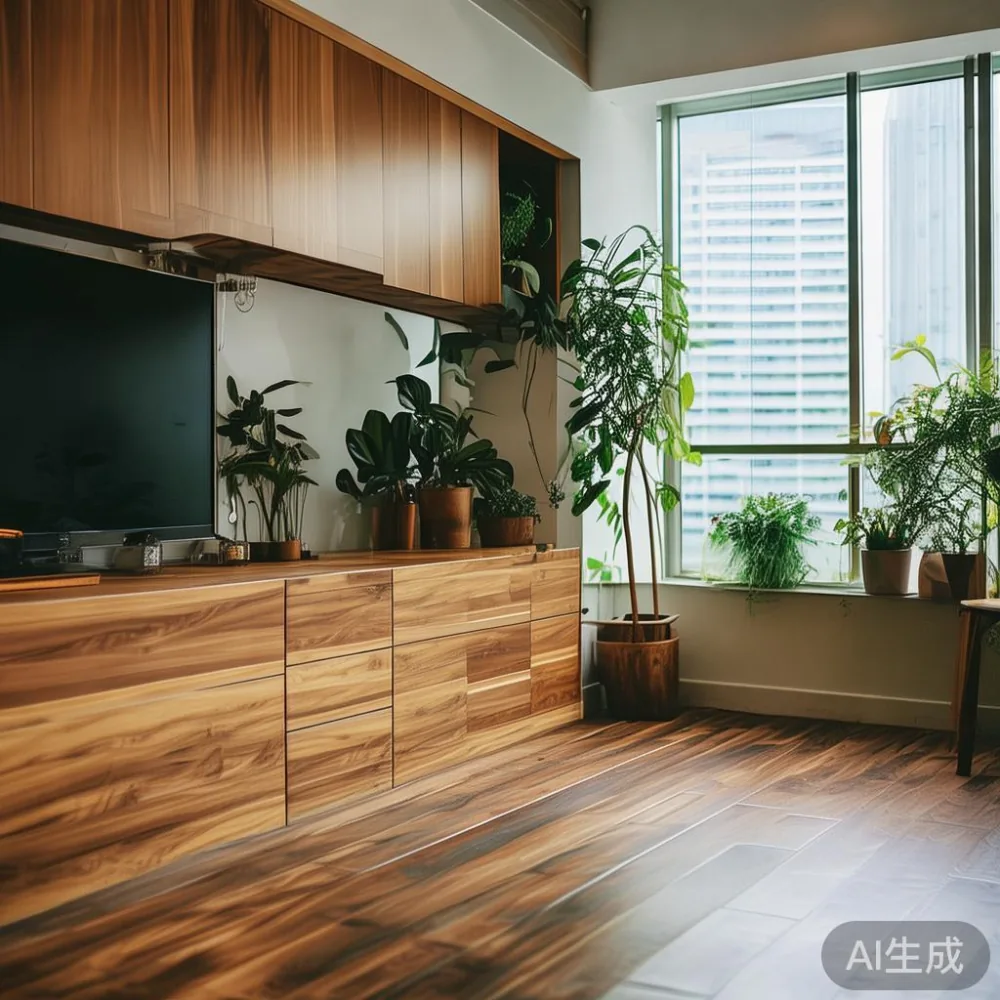
This guide is built for Singapore first-time buyers who just collected their BTO keys in Punggol, signed a lease in Bedok Reservoir, or moved into a resale HDB in Tampines. The lift at my colleague's block in Toa Payoh can only take a 1.6 m long package, and the corridor turning into her unit is exactly 1.2 m wide, which matters more than you think. We will run real numbers over five years, in SGD, with the 9% GST included, and we will look at the lift-access reality, the humidity reality, and the resale-value reality of choosing between a veneer solid wood sofa alternative and an actual solid wood set.
Veneer vs Solid Wood at a Glance: What You Are Actually Paying For
Veneer furniture is a thin layer (0.6 mm to 2 mm) of real wood glued onto a substrate, usually medium-density fibreboard (MDF), particle board, or plywood. Solid wood furniture is cut from a single piece of timber, typically oak, ash, walnut, or rubberwood, kiln-dried to 8-12% moisture content so it survives Singapore's 80-90% humidity. The retail price gap for a four-seater dining table in a 90 cm x 180 cm size looks like this in Singapore:
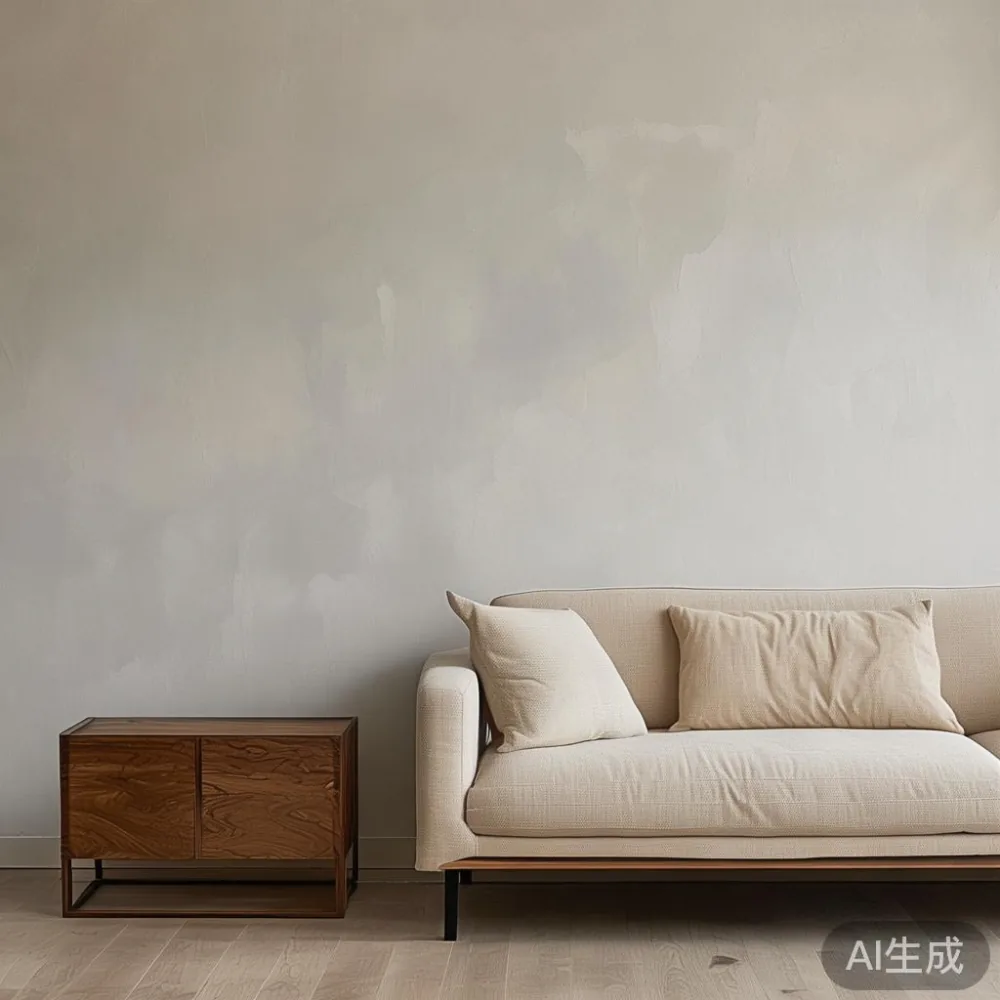
Veneer dining table: SGD 850-1,400 (Ikea, Commune, Scanteak value line, various Taobao resellers).
Solid wood dining table (oak or ash): SGD 2,200-3,800 (MIDHILL, Journey East, Grey & Sanders, Woodshed).
For a queen-size bed frame (152 cm x 191 cm), the comparable numbers:
Veneer or laminate bed frame: SGD 600-1,100.
Solid wood bed frame: SGD 1,800-3,200.
A two-door wardrobe 180 cm tall x 120 cm wide:
Veneer wardrobe: SGD 1,100-1,800.
Solid wood wardrobe: SGD 3,200-5,400.
On day one, the veneer set looks like the obvious win. A full five-piece package (dining table, four chairs, bed frame, two nightstands, wardrobe) runs roughly SGD 4,500 with veneer versus SGD 13,500 with solid wood. That is a SGD 9,000 difference, enough to cover a small kitchen renovation or half a year of mortgage instalments on a four-room BTO. So why do I keep nudging my first-time buyer clients toward solid wood anyway?
The 5-Year Cost Equation in Singapore Conditions
Singapore is a punishing environment for furniture. Year-round humidity sits between 78% and 92%, your air-conditioner cycles from 24°C to 28°C daily, and afternoon sun through west-facing HDB windows pushes surface temperatures past 45°C. A veneered MDF edge starts to peel in 24 to 36 months here. The substrate swells, and you cannot sand it back. A solid oak or ash surface develops hairline cracks you can sand, refinish, and live with for another decade.
Here is the real five-year cost for the same five-piece package, assuming normal family use (two adults, one child, no pets for the math):
Veneer package, 5 years:
Initial: SGD 4,500
Year 2: edge banding repair SGD 180
Year 3: full wardrobe replacement SGD 1,400 (cannot repair swollen MDF)
Year 4: dining table top replacement SGD 900
Year 5: disposal and new package SGD 4,800 (prices rose 6%)
5-year total: SGD 11,780
Solid wood package, 5 years (MIDHILL-grade, with one scheduled refinishing):
Initial: SGD 13,500 (includes GST, delivery up the lift, full assembly)
Year 3: professional on-site refinishing of dining table and wardrobe fronts, SGD 480
Year 5: still in service, no replacement
5-year total: SGD 13,980
The gap shrinks to SGD 2,200 across five years, and from year six onwards the solid wood set is in effect free to keep. By year ten, the veneer buyer has spent SGD 22,000-24,000 in cumulative replacements, while the solid wood buyer is sitting on the same furniture, possibly refinished twice. That math is why I tell first-time buyers in Punggol and Bedok to think in decades, not months.
How do I style a Modern light luxury sectional sofa in a small apartment?
Pick a low-profile, raised-leg sectional in a neutral bouclé or performance linen, keep the colour story to two tones (warm beige and charcoal), and float it 20 cm off the wall on a 200 cm x 290 cm rug to define the living zone in an open-concept HDB.
Now let me show you how that works in a real unit. My colleague's three-room resale in Toa Payoh is 65 sqm with a 3.2 m x 4.0 m living-dining block. She chose a 240 cm Modern light luxury sectional sofa in off-white bouclé, oak frame, and 12 cm solid ash legs. The raised legs let her robot vacuum pass underneath and visually lifted the ceiling by about 8 cm, a small thing that matters in a flat with 2.8 m ceilings. She anchored the seating with a 200 cm x 290 cm wool rug in cream, added a 110 cm round travertine marble table as a side surface, and kept the wall art to a single 90 cm x 120 cm canvas above the sofa. The total spend was SGD 6,400, delivered in 18 days from Foshan through MIDHILL's freight partner, including a 10-year structural warranty. The lift on her floor handled the 2.4 m crate after the legs were removed for transport, a detail that saved her an extra SGD 250 manual-carry surcharge.
Why Light Luxury Positioning Changes the Math
Light luxury, whether you call it French light luxury, American light luxury, or post-modern light luxury, is a middle path between flat-pack and full custom Italian. The materials are honest (solid wood frames, real marble tops, full-grain leather), but the silhouettes are restrained and the proportions work for an HDB flat rather than a 300 sqm penthouse. I have walked the MIDHILL floor with three different interior stylists this year, and they all reach for the same pieces: the 180 cm solid wood sofa with a 78 cm seat height, the king-size Italian light luxury bed frame for first home buyers with a cantilevered headboard, the 200 cm dining table in ash with a 4 cm thick top, and the two-drawer nightstand in the same timber so the bedroom reads as one piece.
The price band for this category in Singapore runs SGD 1,800 to SGD 5,800 per piece, which is roughly 40% less than European boutique brands with similar specs. You are paying for kiln-dried timber and dovetail joinery, not for a designer name. For a first-time buyer furnishing a four-room BTO, that band fits neatly inside the SGD 15,000-22,000 furniture budget most couples I meet in Tampines actually have, once they set aside the air-con, curtains, and appliances.
What Goes Wrong With Veneer in a Singapore HDB (And When Solid Wood Pays for Itself)
Last week I visited a family in Bedok whose three-year-old veneer wardrobe started flaking at the bottom edge. The bathroom exhaust fan had failed during a reno, and humid air sat in the bedroom for six weeks. The MDF substrate absorbed moisture, swelled by 4 mm, and the 0.6 mm teak-look paper veneer simply lifted off. The wardrobe was not repairable. A replacement MDF unit would have cost SGD 1,300, but they chose to upgrade to a solid ash two-door at SGD 2,900 because they did not want the same conversation in another three years. The price difference, SGD 1,600, was almost exactly the same as five years of professional refinishing on a solid wood piece.
Three other common Singapore failures I have logged:
1. Sun-bleached veneer dining table top facing a west window. The colour fades in 18 months, the substrate begins to crack, and the table wobbles because the core is no longer stable. Repair: none. Replace.
2. Veneer bed frame under a 180 kg mattress-and-user load. The MDF side rail sags 6 mm over 30 months, and the cam-lock joint pops. Solid wood side rails on a 4 cm thick ash frame carry the same load indefinitely.
3. Swollen particle-board nightstand after a kettle leak. The 18 mm top delaminates and the drawer rails jam. A solid wood nightstand with a sealed finish survives the same spill with a wipe-down.
The pattern is consistent. Veneer fails at the joint, the edge, or the substrate. Solid wood fails cosmetically (a scratch, a water ring) and recovers with sanding and oil. For a first-time buyer who plans to stay at least seven years in the flat, that recoverability is the entire game.
How MIDHILL Ships a 2.4 m Crate Into Your HDB Without Drama
Singapore HDB logistics are a real constraint. The standard residential lift door opening is 80 cm wide x 200 cm tall, and the internal cabin is about 110 cm wide x 140 cm deep x 220 cm tall. A 240 cm dining table will not fit assembled. MIDHILL's workflow, which I watched during a Punggol delivery, splits the table into a top crate (245 cm x 95 cm x 12 cm) and a leg crate (50 cm x 50 cm x 80 cm). The legs are detached, the top is carried flat, and reassembly takes 25 minutes on site with the included hex key and a 4 mm Allen key. The delivery team brought a 1.5-tonne lorry with a tailgate lift, two porters, and floor protection runners from the lift lobby to the unit door.
For corridor-only access (no lift, walk-up), the surcharge is SGD 18 per floor for items over 30 kg. A solid wood queen bed frame in two boxes (headboard 165 cm x 110 cm x 12 cm, side rails and slats 200 cm x 30 cm x 25 cm) stays under the 30 kg threshold per box, so the surcharge does not apply. I have seen Taobao deliveries attempt this same job with a single 1.9 m long, 65 kg box and fail at the corridor turn. The packaging decision is part of the product.
Delivery times for in-stock pieces to a Singapore address run 14 to 21 days by sea freight from Foshan, plus 2 to 4 days for last-mile and white-glove assembly. Custom sizes, for example a 220 cm dining table to fit a wider Punggol dining nook, add 30 to 45 days. Free shipping kicks in at US$350 (roughly SGD 480), which covers almost every MIDHILL order above a single nightstand.
What About Warranty, Returns, and Resale Value?
MIDHILL offers a 10-year structural warranty on every solid wood frame, which covers joint failure, timber cracking from dry rot, and warping beyond 4 mm. The finish (lacquer, oil, or hardwax) carries a 3-year warranty against peeling and yellowing, and lifetime refinishing is included at cost plus freight, which I have seen run SGD 380-520 per dining table depending on size. Returns are accepted within 14 days for unassembled, unused pieces in original packaging, with the customer paying return freight from Singapore to Foshan (roughly SGD 280-420 per pallet).
Compare this to a typical Singapore veneer purchase. Most flat-pack brands offer a 1-year warranty on moving parts (hinges, drawer slides) and explicitly exclude moisture damage, sun damage, and substrate swelling. Returns are store-credit only after 7 days. Resale value on Carousell after 3 years is roughly 15-25% of the original price for veneer, and 40-55% for solid wood, based on the listings I have tracked in the Tampines, Bedok, and Punggol subgroups over the past 18 months.
For a first-time buyer who may upgrade to a five-room flat or a condo in five to seven years, that 40-55% resale figure matters. It is the difference between recovering SGD 5,400 on a SGD 13,500 solid wood set versus SGD 700 on a SGD 4,500 veneer set. Plug that into the five-year equation and the gap reverses entirely.
Which Pieces Should a First-Time Buyer Upgrade to Solid Wood First?
If the budget only allows a partial upgrade, prioritise the pieces that take the most abuse and live the longest:
1. Bed frame and two nightstands. You use them every night for 8 hours. A solid wood frame lasts 20+ years, a veneer frame fails in 5-7.
2. Dining table. It anchors the home, takes hot pots, knife cuts, and spilled curry. Solid ash or oak handles all three. Veneer cannot.
3. Wardrobe. The single largest piece of storage in an HDB. A failed wardrobe mid-lease is a crisis. Solid wood survives the move to your next flat.
4. Solid wood sofa frame. The cushions will need replacement every 7-10 years regardless, but a kiln-dried ash frame with mortise-and-tenon joinery outlasts three sets of cushions. A veneer or metal frame sofa usually dies with the first cushions.
5. Marble table and accent pieces. Buy once, keep forever, and a 110 cm round travertine marble table weighs about 38 kg, so it stays put during the next move.
The pieces I tell first-time buyers to consider saving on: bar stools (replace every 4-5 years anyway as styles change), kids' study desk (your child will outgrow it), and TV console (the TV will outgrow it). Spend on the bones, save on the accessories.
A Straightforward 5-Year Plan for a Punggol Four-Room BTO
Here is the exact plan I wrote up for a couple in Punggol last quarter, on a SGD 18,000 furniture budget including 9% GST, delivery, assembly, and one round of refinishing at year three:
Solid wood queen bed frame with cantilevered headboard: SGD 2,800
Two solid ash nightstands: SGD 1,400 (SGD 700 each)
200 cm ash dining table with 4 cm top: SGD 2,600
Four dining chairs (solid beech, upholstered seat): SGD 1,600 (SGD 400 each)
240 cm Modern light luxury sectional sofa, bouclé, oak frame: SGD 5,200
110 cm round travertine marble side table: SGD 1,100
Two-door solid ash wardrobe 200 cm x 120 cm: SGD 3,800
Freight, GST, assembly, lift access: SGD 1,500
Year 3 refinishing reserve (table top, wardrobe fronts, sofa frame touch-up): SGD 600
Total: SGD 18,600, slightly over budget, but with refinishing reserve and warranty cover.
The same budget spent on mid-range veneer would have bought the full five-piece set and a sofa, but with two scheduled replacements in years three and five baked in. At year five, the veneer package would be due for a third partial replacement. The solid wood package would be heading into year six with a single refinish behind it, looking close to new.
If you are a first-time buyer standing in a Tampines or Bedok showroom this weekend, do three things. Tap the underside of the table top. If it sounds hollow, it is MDF or particle board. Open the wardrobe door and look at the edge. If you see paper rather than continuous grain, it is veneer. Ask whether the joints are mortise-and-tenon, dowel, or cam-lock. Solid wood furniture almost always uses the first two. Then ask about the warranty in writing, the refinishing policy, and the freight terms to your specific block. The right answers will sound like MIDHILL's 10-year structural warranty, lifetime refinishing, and 14-21 day delivery from Foshan with free shipping above US$350. The wrong answers will sound like a shrug.