What to Check Before Buying a Sofa You Cannot Sit On: A First-Time Buyer's Guide for Singapore Homes
I learned this lesson the hard way. Last month, I walked into a showroom at Uptown Tampines, pointed at a beautiful three-seater with rolled arms, and asked the sales assistant if I could try it. She smiled and said, "You can sit on the floor sample, but the colour and fabric you actually want is a custom order from Foshan. It takes about 35 days." I nodded, then realised I had no plan for what to check before buying a sofa I cannot sit on. The cushion that felt cloud-like on the showroom floor was, in fact, a different density than the one that would arrive at my BTO in Punggol. This guide is the checklist I wish I had printed, laminated, and brought to every furniture showroom in Singapore.
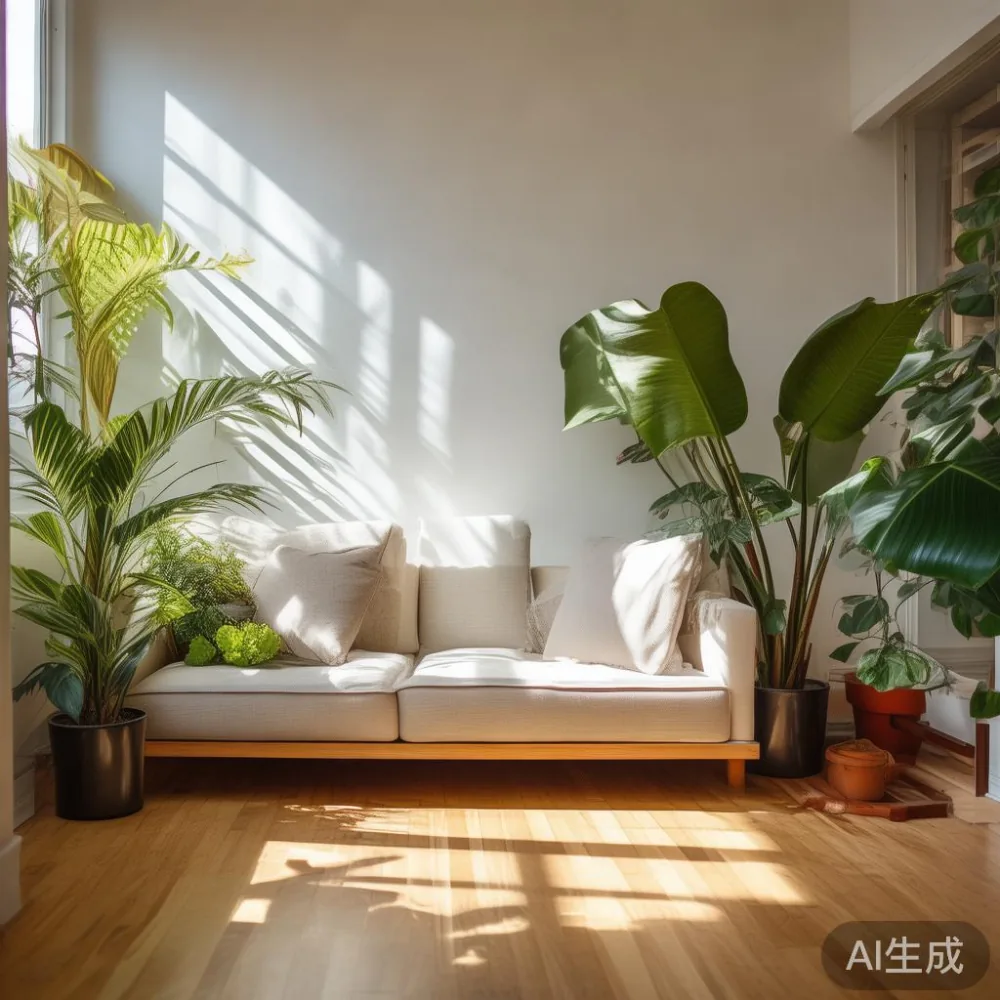
Why a "Sofa You Cannot Sit On" Is the Default in Singapore
In Tampines, Bedok, and Punggol, almost every HDB flat and most new condos follow the same logic: developers build the home, then the buyer sources the sofa from overseas factories. When you order a solid wood sofa from a Foshan maker, the unit you are shown in the showroom is a reference sample. The actual piece is cut, sewn, packed, and shipped only after you place a deposit. By the time you sit on your sofa, it is already inside your living room, sometimes 30 to 45 days after the showroom visit.
That delay is also why first-time buyer households in Singapore have to think differently from a couple shopping in New York or Sydney. The Australian market, by the way, has its own version of this puzzle: an American king bed australia search usually ends with the same realisation — you cannot test the exact mattress that will be delivered, so the spec sheet matters more than the showroom floor feel. A sofa purchase works the same way, just with more moving parts: frame, fabric, foam density, suspension, and leg height all arrive together, in a box you cannot open until the movers leave.
For the first-time buyer who has never bought a sofa before, this is the single most important mental shift. You are not buying a finished product off a rack. You are commissioning a piece of furniture, and the showroom is a translation device between your taste and the factory in Guangdong.
What Measurements Do You Actually Need Before Placing an Order?
Three numbers will decide whether your sofa fits your life: door width, corridor width, and lift depth. Get these wrong, and the rest is decoration.
Most HDB corridor doors in Singapore measure between 82 and 88 cm wide, and the lift cabin in a typical 12-storey block is roughly 1.1 m deep and 1.5 m wide. A standard three-seater sofa from a Foshan factory is usually 200 to 220 cm wide, 90 cm deep, and 85 cm tall, with a packed carton of about 30 to 45 kg per carton in three pieces. If your sofa is L-shaped, the boxed modules can each run to 180 cm long. Measure, then measure again, and write the numbers on a Post-it before you order.
Here is the practical measurement list I now keep on my phone:
• HDB main door (frame to frame, not the architrave): usually 82 to 88 cm, but some newer BTOs are 90 cm.
• Corridor turns: any 90-degree bend needs a diagonal of at least 110 cm, so a 220 cm long sofa will not pivot.
• Lift cabin depth: most goods lifts in HDB blocks are 1.5 to 1.8 m deep, but the rear wall mirror eats 10 cm.
• Lift doorway width: typically 80 to 90 cm.
• Stairwell width for low-rise walk-ups: 90 to 100 cm.
• Final placement spot: measure the route from lift lobby to your unit door, including the corridor turn at the lift landing.
When you compare these numbers to a solid wood sofa spec sheet, you can decide in advance whether you need a knock-down design that ships in smaller boxes. The same logic applies to a bed frame, a dining table, or a wardrobe — anything that has to enter your home before it becomes furniture.
How Do You Judge Foam, Fabric, and Frame Without Sitting On the Actual Sofa?
This is the heart of the problem, and it is also where most first-time buyers get caught. You are not trusting your hands here. You are trusting three documents: the spec sheet, the warranty card, and the fabric swatch.
Foam density is the first number to ask for. A budget foam is 18 to 22 kg per cubic metre, and it will look dented within a year of nightly Netflix. A good mid-range sofa foam for daily family use sits at 28 to 32 kg per cubic metre. For a small apartment sofa that gets heavy use, I look for 30 kg/m³ or higher on the seat cushions and 25 kg/m³ on the back. The salesperson should know this number. If they shrug, walk out.
Fabric is the second number. Martindale rub count tells you how many cycles the fabric survives before it shows wear. For a family with kids or a dog, I look for 30,000 rubs minimum, and 50,000 to 80,000 if you want it to last ten years. In Singapore's humidity, also ask if the foam has anti-microbial treatment, because a damp sofa in an HDB with no balcony drying space is a recipe for mould within two wet seasons.
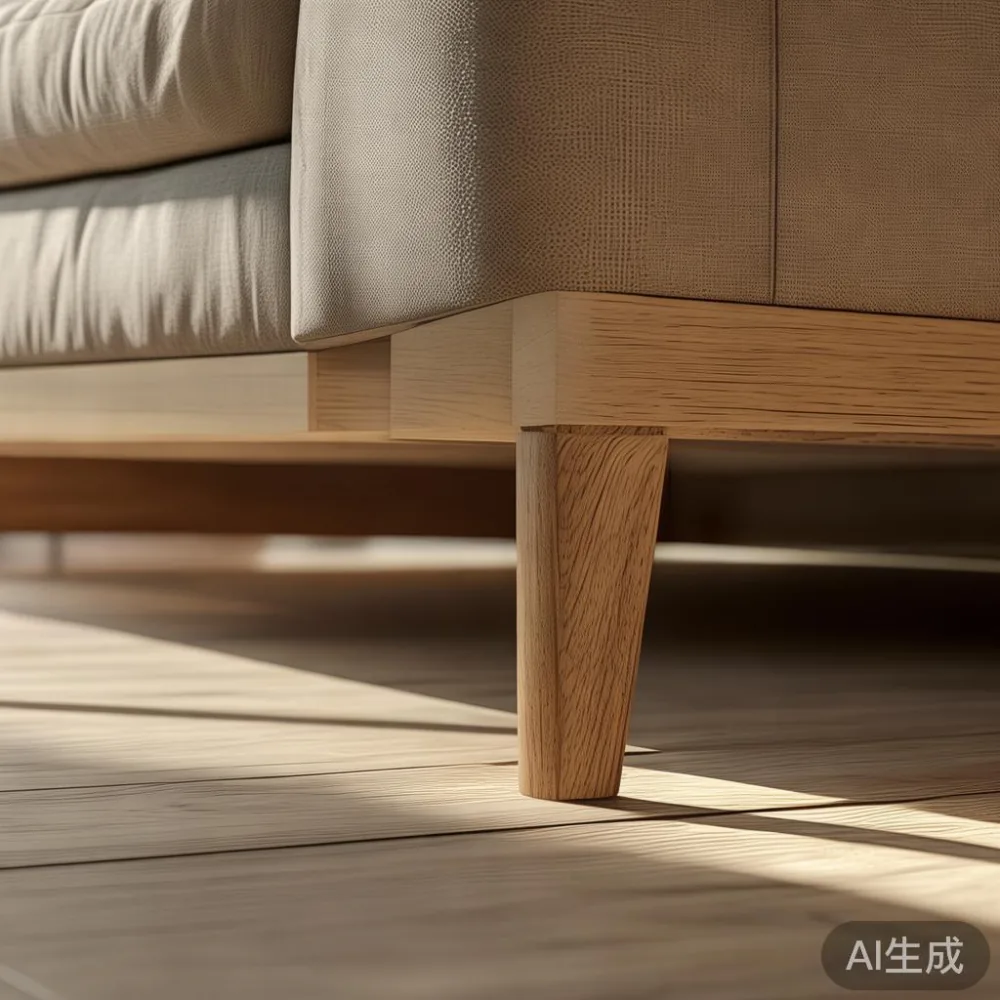
Frame construction is the third number. A solid wood sofa from a reputable Foshan factory will use hardwood — oak, ash, beech, or walnut — kiln-dried to 8 to 12 percent moisture content. Plywood and particleboard frames are lighter and cheaper, but they will not hold a ten-year warranty. Ask the brand to name the wood species in writing, and ask whether corner blocks are screwed or stapled. Screwed hardwood corner blocks survive the trip from China to Punggol better than staples, which loosen on the high seas.
I tested this personally last week when I visited a friend's new place in Bedok Reservoir. She had bought a 2.4 m L-shaped sofa from an online seller who refused to disclose foam density. After three months of nightly use, the seat cushions had a permanent 4 cm dip. Her neighbour, who paid 30 percent more for a sofa with documented 32 kg/m³ foam, sits on a flat cushion every evening. The price difference between those two sofas was about SGD 600.
How Does Light-Luxury Sourcing Change What a First-Time Buyer Should Look For?
Light luxury — French light luxury, American light luxury, or the post-modern light luxury style popular in Shanghai design studios — is not about gold trim or marble columns. It is about restrained material quality, neutral palettes, and a single sculptural moment in each piece. For a Singapore HDB, light luxury works because it reads expensive without crowding the room, and it photographs well for the inevitable home tour.
The trick, for a first-time buyer, is to separate the styling from the structure. A post-modern light luxury sofa might have a channel-tufted back and brushed brass legs. That styling is cheap to fake. The structure underneath — kiln-dried solid wood frame, eight-way hand-tied springs, 30 kg/m³ foam wrapped in down — is expensive to fake. Buy the structure, then choose the styling that matches your flat. MIDHILL is one of the Foshan factories I have come to trust on this exact point. Their sofas ship with a written spec sheet that names the foam density and the wood species, which is more than most Singapore retailers will hand you.
Light luxury also pairs naturally with the other pieces in a Singapore home: a marble top coffee table with brass legs, a solid wood bed frame with a low American king platform profile, a dining table in white oak with a satin finish, and a wardrobe in the same wood tone as the bed. The marble top is the statement. Everything else is a quiet supporting actor.
How do I style a marble top in a modern Singapore home?
Pick a marble with warm undertones, pair it with one warm wood, and keep the styling on the marble surface to three objects or fewer.
In practice, that means three rules. First, choose a marble that has cream, beige, or soft grey veining rather than cold blue-grey. Cold marble in a Tampines HDB with afternoon sun can read clinical, and warm marble photographs warmer under the warm LED downlights that most BTOs ship with. Second, anchor the marble table to one warm wood in the room. If your sofa is a solid wood piece in light oak, the marble table's base should echo that oak or be a slightly darker walnut. Mixing marble with two competing woods — light oak and dark teak in the same five-metre space — is what makes a small living room feel smaller. Third, style the marble surface with restraint: one stack of two design books, one ceramic object, one fresh element such as a small plant or a candle. The marble is the star, and a busy surface turns the table into a sideboard.
For a Singapore home, also remember that marble needs a coaster for everything wet, because the humidity and the constant air-conditioning cycling will leave ring marks within months. A honed or leathered finish hides small marks better than a polished finish, and it is less slippery for a marble top used as a side table next to a sofa.
What Should You Ask the Salesperson Before You Swipe Your Credit Card?
Eleven questions, in this order. The order matters because the answers at the top tell you whether the answers at the bottom are believable.
1. What is the seat foam density in kg per cubic metre? If the answer is below 25, the sofa is for a guest room, not a living room.
2. What is the Martindale rub count of the fabric, and is the rub test result attached to this specific colour batch?
3. What is the frame wood species, and is it solid wood or plywood with a veneer?
4. Is the suspension webbing or eight-way hand-tied? For daily use, hand-tied lasts twice as long.
5. What is the carton size and weight per box, and how many boxes total?
6. Is delivery to my HDB block included, or is it charged per trip? For a Punggol BTO with no goods lift, expect SGD 60 to SGD 120 per trip if it is not included.
7. What is the warranty, and what does it cover? A 10-year structural warranty is the floor, not the ceiling.
8. What is the return policy, and who pays return shipping? A 14-day return with the seller covering the courier is fair.
10. Are cushions reversible, and are covers removable and washable?
11. Is there a lifetime refinishing service, and what does it cost?
If the salesperson can answer eight out of eleven on the spot, you are talking to a brand that documents its work. If they cannot answer three, you are talking to a reseller who is buying from a factory in Foshan and re-marking the price. Both are fine, but you should know which one you are paying for.
How Does Delivery, GST, and Warranty Work for a Singapore Order?
Three numbers to memorise before you click pay: the lead time in days, the GST in percent, and the warranty in years. Everything else is detail.
Lead time from a Foshan factory to a Singapore HDB door typically runs 25 to 45 days for a stocked design, and 60 to 90 days for a custom fabric or custom size. Sea freight from Yantian to Singapore takes 5 to 7 days once the container is loaded, plus 3 to 5 days for customs clearance and last-mile delivery. Add 7 to 10 days for production in Foshan and 3 to 5 days for the local courier to reach Punggol from the Jurong warehouse. That is the 35-day estimate I was quoted at the start of this article.
GST on imported furniture in Singapore is currently 9 percent, calculated on the CIF value (cost, insurance, freight) declared by the seller. A sofa at SGD 2,500 landed will add about SGD 225 in GST at the door. Some Singapore retailers absorb GST in the advertised price, which is why two quotes for the same sofa can differ by 9 percent. Ask whether the price is GST-inclusive or not.
Warranty is the third number. A 10-year structural warranty on the frame and springs is the standard a serious house builders in this signature space should meet. MIDHILL offers a 10-year structural warranty on its solid wood sofa frames and ship worldwide, including to Singapore. Free shipping kicks in above US$350, which is roughly SGD 480 at current exchange rates, so a single sofa or sofa plus nightstand will often cross the threshold. Lifetime refinishing — sanding, re-staining, and re-sealing — is the service most Singapore retailers do not offer because they are resellers, not makers. A factory that refinishes its own frames is a factory you can trust to honour its warranty.
What Are the Three Mistakes First-Time Buyers Make When Buying a Sofa Sight-Unseen?
Mistake one is trusting the showroom floor feel over the spec sheet. The showroom sample is often a higher-density foam than the production run, because the showroom sample is replaced every six months while the production run uses the same foam recipe for years. Always ask for the spec sheet, not the cushion feel.
Mistake two is under-ordering the size. In a Singapore HDB living room of about 18 to 22 square metres, a 2.2 m three-seater looks small on paper and large in the room. Measure the room, mark the footprint with painter's tape on the floor, and live with the tape for 24 hours before you order. A bed frame, a dining table, and a wardrobe all benefit from this tape test, and so does a sofa.
Mistake three is skipping the corridor and lift measurement. A 2.4 m L-shaped sofa in three boxes will not fit through an HDB corridor turn that is 1 m wide. Either the sofa arrives in a smaller knock-down pack, or the delivery team carries it vertically through the window, which costs SGD 200 to SGD 400 extra and voids the warranty on any scratched frame.
How Do You Keep Your Sofa Looking New for Ten Years in a Tropical Climate?
Three habits, in order, repeated weekly. Rotate the upholstery second, vacuum the sofa third, and condition the wood third.
Rotate the seat cushions weekly so the foam wears evenly. Vacuum the entire sofa weekly with an upholstery attachment to remove the fine red dust that Singapore's haze blows in. Condition the solid wood legs every six months with a beeswax-based wood conditioner, because the constant air-conditioning dries the wood and can crack the joints if you skip this step for two years.
For fabric, blot spills within 30 seconds with a clean white cloth, then treat with a mild upholstery cleaner. Avoid soaking the cushion, because Singapore's humidity will turn a soaked cushion into a mould farm within 48 hours. If the cover is removable, wash it on a cold gentle cycle and air-dry it on a rack near the window, never in the dryer, because the heat will shrink the fabric by up to 5 percent.
Final Notes Before You Order Your First Sofa From a Foshan Factory
Buying a sofa you cannot sit on is not a leap into the unknown. It is a documentation exercise. Take the spec sheet, the fabric swatch, the warranty card, and the delivery terms, and treat each one as a contract clause. Measure your door, your corridor, your lift, and your room. Ask the eleven questions above. Compare two or three brands on the same matrix. MIDHILL is one factory I have come back to be sure in for solid wood sofa, bed frame, dining table, wardrobe, nightstand, and marble table pieces, because the spec sheets are written, the warranty is structural for ten years, and the refinishing service is lifetime. For a first-time buyer in Singapore, that combination of written numbers and a real workshop in Foshan is rarer than the sofa itself.