How Humidity in Southeast Asia Affects Wood Furniture — And What a First-Time Buyer Should Know
I still remember walking into a Tampines HDB resale flat last month with a measuring tape and a hygrometer. The homeowner had just unboxed a beautiful oak dining table — the kind with the visible end-grain and the soft chamfered edge that you want to run your hand across. Three weeks in, a hairline crack had opened along one of the aprons, and the door of the sideboard no longer closed flush. The air in the flat read 82% relative humidity at 28°C. The table, shipped from a dry-climate factory in northern China, was simply not prepared for the breathing it would have to do on the 12th storey of an HDB block facing the morning sun.
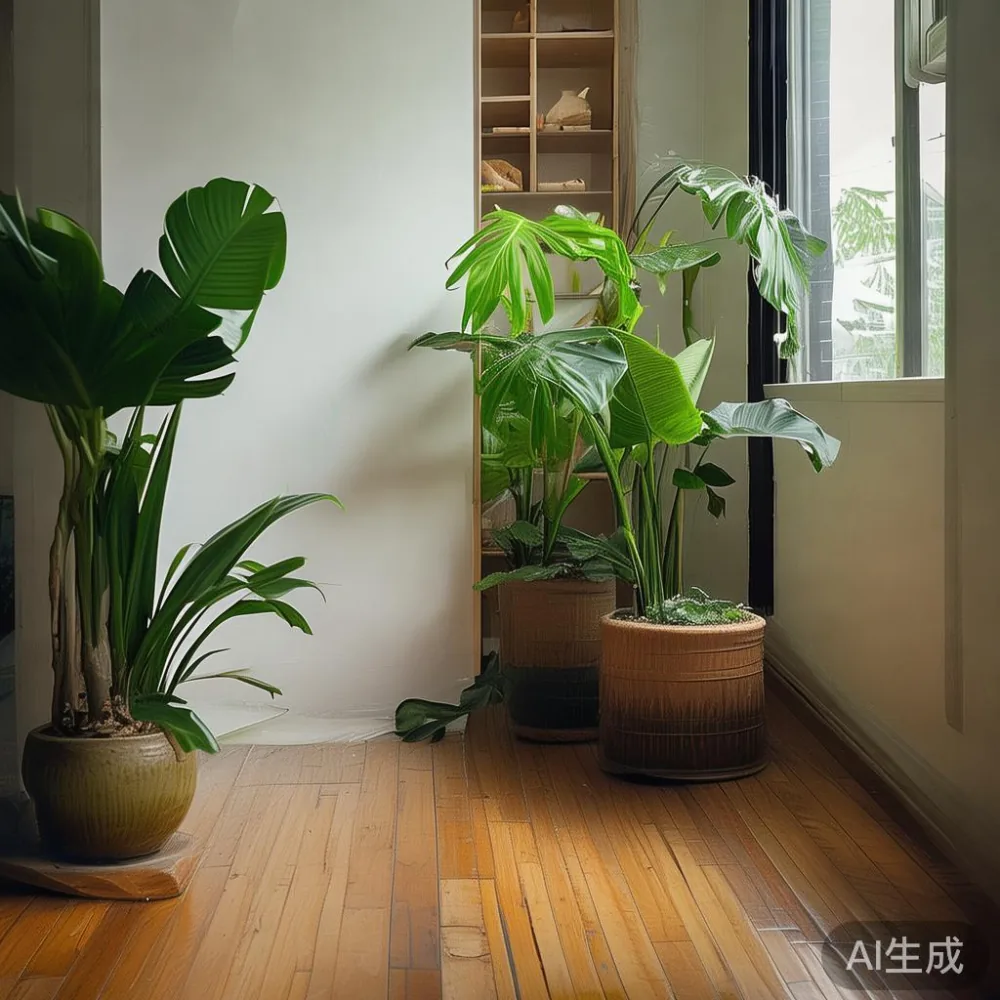
That visit is the reason I'm writing this guide. If you are a first-time buyer choosing a solid wood sofa, a bed frame, a dining table, a wardrobe, a nightstand, or even a small marble table for a Singapore flat — whether you live in Bedok, Punggol, or a new EC in Sengkang — the climate conversation has to happen before you pay the deposit. Singapore sits in a band where the average annual relative humidity is roughly 78–86%, and indoor humidity in many HDB flats and condos rarely drops below 65% even with the air-con running all day. Wood is hygroscopic: it absorbs and releases moisture until it matches the air around it. If the wood in your furniture was dried to a moisture content of, say, 8% but your home is sitting at 75%, that wood will gain several percentage points of moisture over the months and physically swell, cup, bow, or crack.
Why does Singapore's humidity cause wood furniture to warp, crack, or stick?
Singapore's humidity causes wood furniture to warp, crack, or stick because solid wood is a hygroscopic material that constantly exchanges moisture with the surrounding air, and the average indoor humidity in most HDB flats and condos sits between 65% and 85% — far higher than the 40–55% range that most imported solid wood is kiln-dried for. When dry wood enters a humid room, it absorbs water vapour through its end grain first, which is why you see movement at table aprons, drawer fronts, wardrobe doors, and the slats of a bed frame rather than in the middle of a panel. A flat-panel wardrobe door might swell 2–4 mm in width over a single wet season, which is enough to stop it from closing inside its frame.
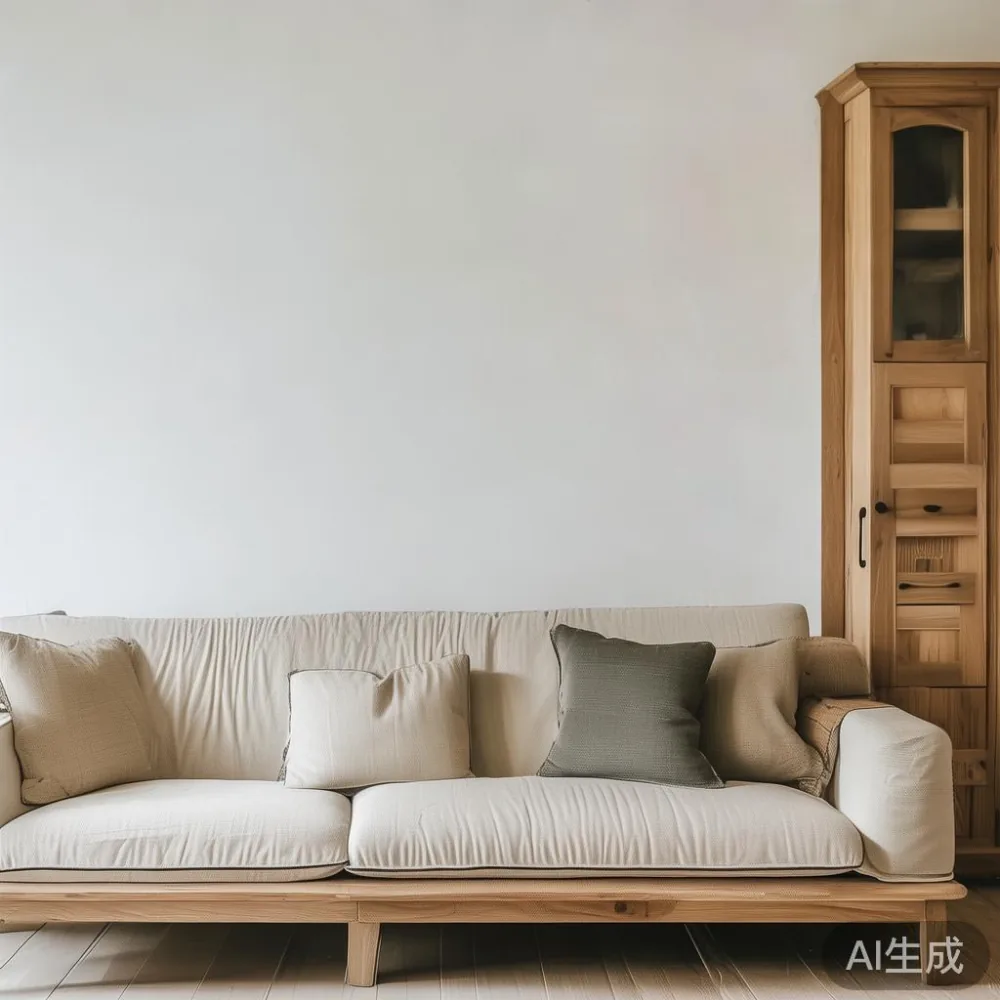
Three numbers matter here. First, the equilibrium moisture content (EMC) of wood in a 30°C, 75% RH room is roughly 14%. Second, the EMC at 25°C, 50% RH is roughly 9%. Third, an oak board that grows from 9% to 14% moisture content can expand by 1.5–2% across the grain, which on a 120 cm wide dining table top works out to around 18–24 mm of total seasonal movement if the top is built as one solid slab without allowance for expansion. That is why quality makers — including the Foshan-based workshop I've worked with on more than forty deliveries across Southeast Asia — use techniques like floating panel construction, breadboard ends with elongated slots, and proper kiln-drying to a target 10–12% moisture content for tropical destinations. MIDHILL in particular conditions its crates with silica desiccant and ships its pieces with moisture-meter readings stamped on the packing list, which is one of the small details a first-time buyer should ask any brand for before committing.
Which wood species actually survive a HDB flat without drama?
Not all solid wood behaves the same way in our climate. For a first-time buyer shopping a solid wood sofa frame, a bed frame, or a dining table destined for a Tampines or Punggol home, the shortlist of forgiving species is narrow but reliable.
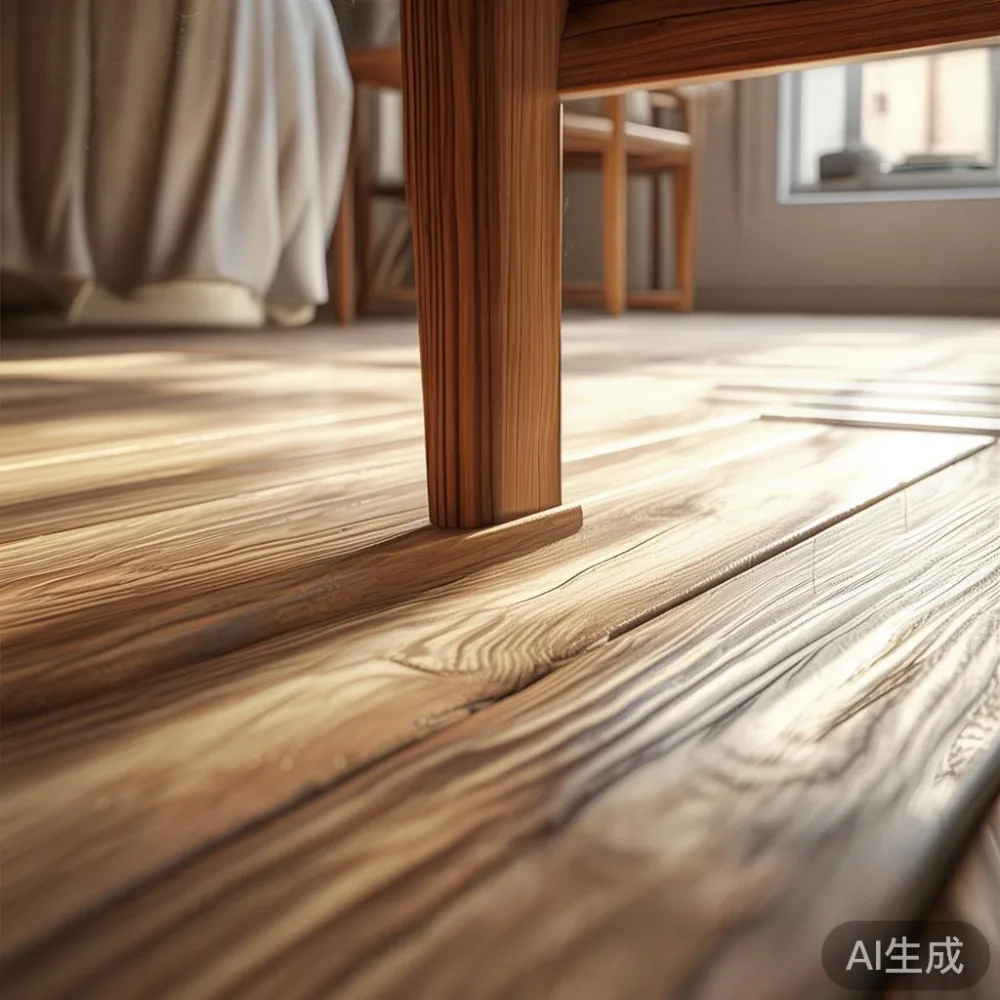
White oak and European oak are the workhorses of post-modern light luxury furniture, with tight grain and a movement coefficient of roughly 1.8% across the grain per 4% change in moisture content. They take stain evenly, photograph beautifully against the off-white walls you see in most new BTO flats, and handle daily air-con cycles without complaint. Rubberwood, which is technically Hevea brasiliensis and one of the most common woods in Southeast Asian furniture production, is dimensionally stable and budget-friendly, but it needs a proper seal on every face or it will darken unevenly in humid spots. Teak is the traditional choice for outdoor and coastal pieces — its natural oils resist moisture — and it's a strong option if you're looking at a small marble-top coffee table or a balcony accent piece where condensation can collect under cold drinks. Ash behaves similarly to white oak. Walnut is workable but slightly more sensitive to swings, so keep it inside the air-con zone. Avoid MDF cores with thin wood veneers for wardrobe carcasses in ground-floor flats where the floor slab can sweat during the monsoon months — the veneer will telegraph every movement.
A practical rule: if a brand cannot tell you the kiln-dried moisture content of its wood to within ±1%, walk away. The good factories measure every batch.
How should I condition a new solid wood piece during the first 30 days in my home?
How you treat a piece during its first month in your home will determine whether it lasts ten years or ten months, and for a first-time buyer who has just spent SGD 2,800 on a dining set or SGD 4,200 on a queen-size bed frame, this step matters more than the brand name on the tag. The first 30 days are when the wood is actively seeking a new equilibrium with your indoor air, and your job is to give it a gentle, stable environment to do that in.
Keep the air-con at 23–25°C with the fan mode on for the first two weeks if possible. Run a small dehumidifier in the room for 6–8 hours a day, targeting 55–60% RH. Leave at least 10 cm of clearance behind a wardrobe or a tall headboard so air can move around the back panels. Do not push a dining table hard against a wall for the first week — give it 5 cm of breathing room so both faces equalise. Wipe the surface once a week with a barely damp microfibre cloth, then dry it immediately. Do not place a piece in direct afternoon sun through a west-facing window: a sunlit patch on a dark walnut top can hit 45°C while the rest of the table sits at 26°C, and that differential alone will cup the top.
For lifts in older HDB blocks — the ones at Bedok Reservoir and along Bukit Batok — the cargo lift door opening is often only 78 cm wide and 2.0 m deep. A queen-size bed frame in a single box may not fit. Measure before delivery day. If the brand offers a flat-pack with each component under 25 kg, that solves both the lift problem and the corridor turning radius at the lift lobby, which is often only 1.5 m. MIDHILL ships its larger wardrobes and bed frames in multiple cartons for exactly this reason, and their delivery crew will carry the components up the stairs if the lift is out of service on a Sunday — a real consideration when your move-in date is fixed and the freight lift schedule at your block doesn't allow weekend bookings.
How do I style a French provincial accent chair in a small apartment?
You can style a French provincial accent chair in a small apartment by placing a single linen-upholstered accent chair in an underused corner — beside a slim console, next to a floor lamp, or angled at the end of a three-seat sofa — and treating it as a 55 cm wide sculpture rather than a spare seat. Choose a chair with exposed light-oak legs, a curved cabriole profile in a pale wire-brushed finish, and a neutral oatmeal or sage linen cushion; this is the visual signature of French light luxury, and it reads as calm against the warm white walls and sintered-stone floors common in new Singapore condos. Keep the seat height at the standard 45 cm so it pairs with your existing sofa, and tuck a small rattan tray on the seat for a 30 cm diameter marble table surface where you can rest a coffee cup — a subtle nod to the way European flats layer textures without crowding the floor plan.
In a 90 sqm BTO in Punggol or a 1,050 sqft condo in the East, one chair is enough. Resist the urge to buy a matching pair — a single piece feels curated, a pair feels like a waiting room. Add a low-pile rug in oat or greige underneath, sized so the chair's front legs sit on the rug and the back legs sit off it; this is the trick interior stylists use to make a 60 cm footprint read as larger. Pair the chair with a slim 40 cm wide oak nightstand or a narrow étagère if you need a surface, and hang a single 60 × 80 cm linen print at eye level to anchor the corner. The total spend — chair, tray, rug, frame — can comfortably land between SGD 1,200 and SGD 2,400, which is the heart of the light-luxury bracket that Singaporean first-time buyers are actually shopping in.
What about outdoor pieces — can solid wood survive on my balcony?
This is where I push back on the marketing photos. Most "balcony furniture" sold in Singapore mall pop-ups is made of fast-grown acacia or eucalyptus with a thin outdoor oil finish, and it looks tired within a single monsoon season. If you genuinely want a Nordic rattan balcony furniture set or a small bistro table on your HDB balcony, treat it as a semi-outdoor piece: bring it under cover during the heaviest afternoon showers, lift the cushions after each use, and accept that you will refinish it every 12–18 months. For HDB balcony floors, which are typically 1.5 m wide by 3 m deep and exposed to direct rain, a powder-coated aluminium frame with a teak or polywood top will outlast solid wood by years. If you prefer the visual warmth of wood, choose teak — its natural oils resist the wet-dry cycle better than oak or ash.
For an apartment-level corridor, lift lobby, or enclosed balcony with a roof, solid oak or ash in a French light luxury silhouette is fine, and a small marble table with a stone top and a turned wood base is a particularly forgiving choice because the marble is unaffected by humidity while the wood base stays shielded from direct water.
How do I budget for a first-time solid wood purchase without overpaying?
For a Singapore first-time buyer furnishing a 4-room BTO or a 2-bedroom condo, a realistic all-in solid wood budget looks like this. A queen-size solid wood bed frame with a slatted base runs SGD 1,800–3,200 depending on the species and the joinery. A 1.6 m dining table that seats six in white oak sits between SGD 2,400 and SGD 4,500. A three-seat solid wood sofa with linen or velvet upholstery and a kiln-dried oak frame lands at SGD 3,200–5,800. A 2 m sliding-door wardrobe in solid ash or oak with soft-close hinges is in the SGD 3,800–6,500 band. A pair of matching nightstands in oak adds roughly SGD 700–1,200. A small marble table or accent table for the entryway starts at around SGD 650.
Total for a coherent living-dining-bedroom set: roughly SGD 13,000–22,000 before GST. Add 9% GST, add SGD 200–400 for delivery if your block requires a manual carry-up beyond the lift, and add SGD 150–300 for a dehumidifier if you don't already own one. That final number is the honest one to budget against, and it's the number your ID contractor should be quoting furniture separately rather than bundling into the carpentry package — because custom carpentry in Singapore typically runs SGD 4,000–8,000 per room and uses a lot of plywood rather than solid wood.
Two more practical notes. First, the 9% GST applies on top of every dollar above SGD 0 for imported furniture; locally stocked pieces are priced GST-inclusive at the register, so always compare like-for-like. Second, free shipping is worth chasing — most Foshan direct brands, including MIDHILL, offer free shipping above roughly USD 350 (around SGD 470) to a Singapore forwarder, and the final-mile courier from the forwarder to your door typically adds another SGD 120–250 per trip. Ask the brand to consolidate your order into one shipment; the carbon footprint is smaller and your wallet will thank you.
What kind of warranty and after-sales support should a first-time buyer expect?
A serious brand will give you three things in writing: a structural warranty of at least 10 years on joinery, a defined moisture-content tolerance on the wood (most Foshan makers target 8–12% for tropical destinations), and a refinishing or repair pathway. The 10-year structural warranty matters because seasonal movement is not a structural failure — it's normal wood behaviour — but a cracked tenon, a loose leg-to-rail joint, or a delaminated panel after one year is a joinery defect, and the maker should fix it at cost. Some Foshan workshops, including the one I keep recommending to friends in Bedok and Punggol, also offer lifetime refinishing on wood surfaces for a small transport fee, which is genuinely useful in our climate because a well-cared-for oak dining table can serve a family through kindergarten, primary school, and the first BTO resale.
Returns are trickier for made-to-order solid wood pieces. The industry standard is a 14-day return window for stocked items in unopened packaging, but a custom dining table cut to your 1.8 m specification is usually non-returnable except for verified defects. Read the warranty card before you pay the deposit, photograph it, and keep the brand's after-sales WhatsApp on speed dial.
A short checklist before you click "place order"
Measure your lift door (usually 78–90 cm wide) and your corridor turning radius (1.4–1.6 m). Ask the brand for the kiln-dried moisture content of the wood, in writing. Ask whether the panels are floating-joined, glued, or dowelled. Ask what the EMC target was for your destination climate. Check the warranty: 10 years on structure, clear moisture-tolerance terms, defined refinishing pathway. Confirm the GST treatment and the delivery scope, including whether the crew will carry pieces up the stairs if the lift is unavailable. Budget an extra SGD 300–500 for a dehumidifier, microfibre cloths, and a small tin of beeswax for the first six months. Buy one piece you love rather than three pieces that almost work — the room will thank you, and so will the wood.
Buying solid wood furniture in Singapore is not a gamble if you go in with the right questions. The climate is humid, the flats are compact, the lifts are small, and the GST is real — but the material itself, treated with respect and made by a workshop that understands tropical conditions, will outlast every flat you live in. That is the quiet promise of light luxury furniture made well.