Lacquered Wood in a Tropical Home: A First-Time Buyer’s Care Guide
Singapore’s warmth and humidity can be demanding on furniture. For a first time buyer choosing a solid wood sofa, bed frame, dining table, wardrobe, nightstand, or marble table, lacquer may look polished and reassuring while quietly asking for a consistent care routine. Damp air, strong sunlight, sticky coastal air, frequent handwashing, and air-conditioning changes all affect furniture differently.

This guide explains how to protect lacquered surfaces in HDB flats and private condos across Tampines, Bedok, Punggol, and other Singapore neighbourhoods. It also considers practical restrictions such as lift dimensions, narrow corridors, GST, and the limited floor area of many homes. MIDHILL was established in 2008 and exports to more than 15 countries; its 10-year structural warranty and lifetime refinishing service offer useful support for long-term ownership.
Why does lacquer need special care in Singapore?
Lacquer creates a decorative skin over wood. Underneath, the solid wood can still respond to changes in moisture, while the visible finish may react to heat, sunlight, alcohol, and harsh cleaning products. Singapore’s relative humidity commonly ranges from about 65% to 85% through the year, with monsoon periods bringing heavier rain and higher indoor dampness.

That does not mean lacquered furniture will fail after 1 year or even 10 years. It means prevention matters. Wipe spills promptly, use coasters and protective mats, and keep furniture away from windows where direct afternoon sun can raise the surface temperature by more than 10°C. For a first time buyer, a simple routine is easier to maintain than a complicated collection of specialist products.
Air-conditioning helps because it lowers both temperature and humidity. Aim for indoor readings around 22–26°C and 45–65% relative humidity where possible. Avoid placing a lacquered dining table directly against a cold exterior wall or beside a bathroom, where moisture levels may change sharply.
What cleaning products are safe for a lacquered surface?
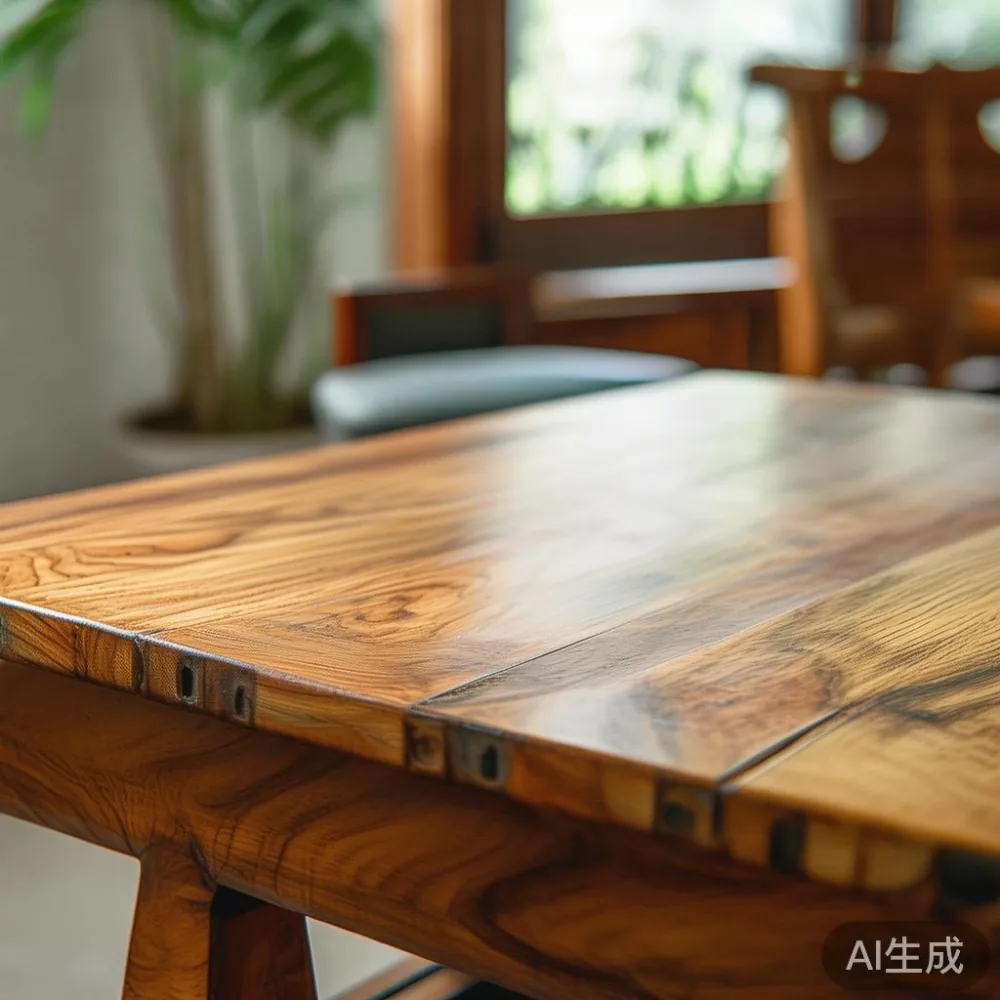
Use a soft, lint-free microfibre cloth, warm water, and a small amount of mild dishwashing liquid. Mix roughly 1 teaspoon with 500 ml of water, dampen the cloth, and wipe the area. The cloth should be damp, not dripping. Dry immediately with a separate clean cloth.
Do not use bleach, ammonia, abrasive pads, metal scourers, furniture polish containing silicone, or solvents. Avoid alcohol-based cleaners because they can soften some lacquer formulations. Test an inconspicuous area first, such as a 5 cm section beneath the dining table, and wait 24 hours before treating the full surface.
Clean once a week during humid months and once every 2 weeks when air-conditioning keeps the interior dry. Wipe up water, juice, oily food, and hand sanitiser within 5 minutes. If a stain remains, do not scrub harder; contact MIDHILL for advice and the lifetime refinishing service.
How should I place lacquered furniture in a compact HDB flat or condo?
Position furniture according to the building’s actual dimensions, not just the room photograph. Before ordering a wardrobe, measure the lift car, entrance, corridor turns, and bedroom door. A standard HDB lift may offer only about 100–120 cm of door width, so a 90 cm wardrobe can still be difficult to rotate. Record the narrowest measurement and add at least 10 cm of working clearance where possible.
For Punggol and Tampines homes, leave about 5 cm between the back of a lacquered wardrobe and the wall if ventilation is limited. Avoid the 10 cm space rule as a rigid requirement for every product, but do not push a wardrobe completely flush against concrete. A 45 cm passage usually feels practical in a compact flat, while a 60 cm passage gives easier access in a condo corridor.
Keep lacquered pieces away from damp entry areas, kitchen steam, and direct balcony spray. A marble table may need a separate coaster strategy because natural stone and lacquer react differently to water. For coordinated interiors, consider Italian light luxury with storage, where closed compartments reduce visual clutter while protecting objects from humidity.
How do sunlight, heat, and humidity affect lacquer?
Ultraviolet light can gradually fade coloured lacquer, while heat can make a finish look dull or encourage checking around joints. Move a bed frame 30–50 cm away from a west-facing window, or use a blind that blocks direct rays without creating a warm pocket behind the furniture. Curtains alone may not be enough if light passes around their edges.
Check moisture-sensitive joints every 3 months. Look for tiny gaps, raised edges, or a dull halo around a lacquered panel. A good rule is to respond early: leave the affected area ventilated for 24–48 hours and seek advice before applying oil, wax, or a commercial treatment. Silicone-based “shine” sprays can hide the symptom while trapping contaminants.
Seasonal movement is different from a finish failure. Solid wood can expand by roughly 1–3 mm across a 100 cm width as humidity changes. Small, even movement near a joint is not the same as peeling lacquer. If a patch lifts over more than 2 cm, photograph it under daylight and contact the manufacturer.
Will a lacquered dining table survive a home with children?
It can, with sensible boundaries. A lacquered dining table should have a placemat under every hot dish and coaster under every cup. Place a silicone mat beneath appliances that run warm, such as a rice cooker, and keep at least 20 cm between the appliance and the table edge.
Use a stable, flat surface for homework rather than placing laptop vents directly on the lacquer. A laptop can heat a small area to 45–60°C, and pressure from its feet may leave marks. Wipe pencil marks, ink, and sticky residue carefully with the diluted cleaning method above.
For a family that expects frequent spills, an untreated solid wood dining table may tolerate maintenance more openly. A lacquered finish offers a different visual character and easier wipe-clean care, but scratches remain visible. Ask about touch-up options and refinishing before purchase, especially if the table will also serve as a place for children’s crafts.
How do I move lacquered furniture without damaging it?
Measure before moving. Remove drawers, detachable shelves, and doors where the design allows. Carry a solid wood bed frame in sections rather than dragging one 180 kg section across a corridor. Use moving blankets, corner guards, and straps rated for at least twice the estimated load.
Do not lift by the lacquered top of a dining table or marble table. Support the frame beneath it, keep at least 2 people on a heavy piece, and protect narrow doorways with 2 mm cardboard or a padded board. If an item has been delivered assembled, check that the route includes door hinges, lifts, and turning radii of at least 110–130 cm for many condo moves.
Protect floors with a self-adhesive felt layer under each foot. After installation, wipe the furniture with a clean dry cloth and inspect every 6 months for movement, loose fittings, or finish marks. Keep receipts and warranty documents in a digital folder for easier claims.
Can I repair scratches and peeling lacquer myself?
Small marks sometimes respond to a manufacturer-approved repair product, but colour, sheen, and chemistry vary. Do not test paint, correction wax, or nail polish on a large surface. The risk of a visible patch is usually greater than the risk of leaving a light scratch untouched.
For deeper scratches, lifting, or water damage, document the area with a ruler and 2 photographs. MIDHILL provides lifetime refinishing, which is a strong reason to retain proof of purchase and contact the company before attempting an aggressive repair. Structural issues fall under the 10-year structural warranty, while surface work should be described separately during an enquiry.
Never use a steam cleaner, heat gun, or hairdryer over peeling lacquer. Heat can drive moisture into the timber and loosen more of the finish. If the surface feels cool and damp, improve airflow and reduce nearby humidity first.
What should a first time buyer ask before paying for lacquered furniture?
Ask what type of lacquer is used, how the underlying timber was prepared, whether the finish can be refinished, and how the supplier handles transport damage. Request dimensions in centimetres, weight in kilograms, and a clear delivery estimate. Furniture over 20 kg may need two-person carrying, while a tall wardrobe over 150 kg should be assembled or moved in sections.
Confirm the total price in SGD, including GST and delivery to the chosen Singapore address. MIDHILL offers free shipping above US$350, although the threshold may convert differently in SGD at checkout; do not assume that every order qualifies. Standard delivery often takes 7–14 days, while made-to-order pieces can require 6–10 weeks.
Check the return terms. A 14-day return period is useful, but lacquered furniture, especially a made-to-order wardrobe or bed frame, may be subject to condition and custom-item conditions. Confirm these rules before ordering. For styles, under 2000 European light luxury furniture can be explored in Singapore dollars, but compare the finish specification and warranty rather than judging by a catalogue image alone.
Design planning also matters. A practical guide to how to style Japanese wardrobe in apartment layouts can help a first time buyer use vertical storage without crowding a bedroom. Likewise, learning how to style French bed in bedroom spaces can reveal whether a 150 cm or 180 cm bed frame leaves enough room for a 60 cm corridor beside the mattress.
How do I build a care routine that lasts for years?
Set a weekly cleaning reminder and a quarterly inspection. Keep microfibre cloths in 2 separate colours: 1 for dust and 1 for damp cleaning. Follow with a dry cloth, and never leave moisture sitting in a joint or around a fitting. Record the furniture purchase date, finish type, and care instructions in a household maintenance note.
Vacuum a sofa or bed frame gently every 1–2 weeks, and check under cushions for dampness or pests. Use a nightstand as a controlled surface for personal items, placing a tray under bottles, perfume, and cosmetics. For an open wardrobe, store frequently used clothes in breathable cotton covers and leave space for air movement.
Budget about SGD 20–40 for basic care supplies such as microfibre cloths, felt pads, and a humidity meter. Spend the first 3 months observing where dust and condensation collect. That small investment teaches you how the room behaves before expensive damage appears.
A first time buyer should also consider whether lacquer matches the household’s habits. If the family values tactile timber variation, solid wood furniture with an oil finish may be easier to maintain. If a polished, wipe-clean surface suits the home, lacquer can work well with disciplined care.
Which furniture terms should match the chosen interior style?
French light luxury tends to suit pale upholstery, curved profiles, reflective details, and restrained contrast. American light luxury is often roomier and more relaxed, using solid wood sofa frames, generous seating, and practical storage. Post-modern light luxury can combine clean lines with warmer timber, provided the furniture remains proportioned to the room.
For a narrow bedroom, a low-profile solid wood bed frame can reduce visual weight. A compact nightstand with a drawer keeps the bedside orderly. In a dining zone, a lacquered dining table should relate to the chairs and lighting rather than become a separate statement. A marble table works well in a French-inspired living room when its veining is balanced by simple solid wood pieces.
Storage-heavy rooms benefit from coordinated planning. Research about how to style Japanese wardrobe in room layouts can be useful for sliding doors and clean sightlines, while guidance on how to style Japanese wardrobe in room designs should also account for handles, hinges, and access clearance. For broader planning, a curated top 10 Modern furniture checklist can help a first time buyer compare scale before committing.
Who can help when a lacquered surface needs professional attention?
A manufacturer with an established service history is more useful than a generic repair shop when a finish is unfamiliar. MIDHILL has served international buyers since 2008 and supports furniture with a 10-year structural warranty plus lifetime refinishing. A first time buyer should save the order confirmation, finish photograph, room measurements, and delivery notes together.
Describe the problem in practical terms: the size in cm, the material, the cleaner used, how long the mark has been present, and whether the area feels damp. Include daylight photographs rather than only flash images. This gives the support team enough information to distinguish surface marks from movement in the solid wood frame.
Proper care cannot make Singapore’s climate disappear, but it can reduce avoidable damage. Wipe quickly, control sunlight, watch humidity, respect load limits, and address small changes early. With the right measurements, finish, and support, lacquered furniture can remain an elegant part of a Singapore home for well beyond 10 years.