How Southeast Asia Humidity Affects Your First Solid Wood Furniture — and What to Do About It
If you are shopping for your first piece of real solid wood furniture in Singapore, the weather is quietly working against you. I moved into a 4-room HDB flat in Tampines last October, and within three months the wardrobe door in the master bedroom began sticking shut on rainy afternoons. The contractor shrugged and said "this is normal." It is not normal — it is humidity, and it is the single biggest factor a first-time buyer of solid wood sofas, bed frames, dining tables, wardrobes, and nightstands has to understand before swiping the credit card at SGD 1,800 or more.
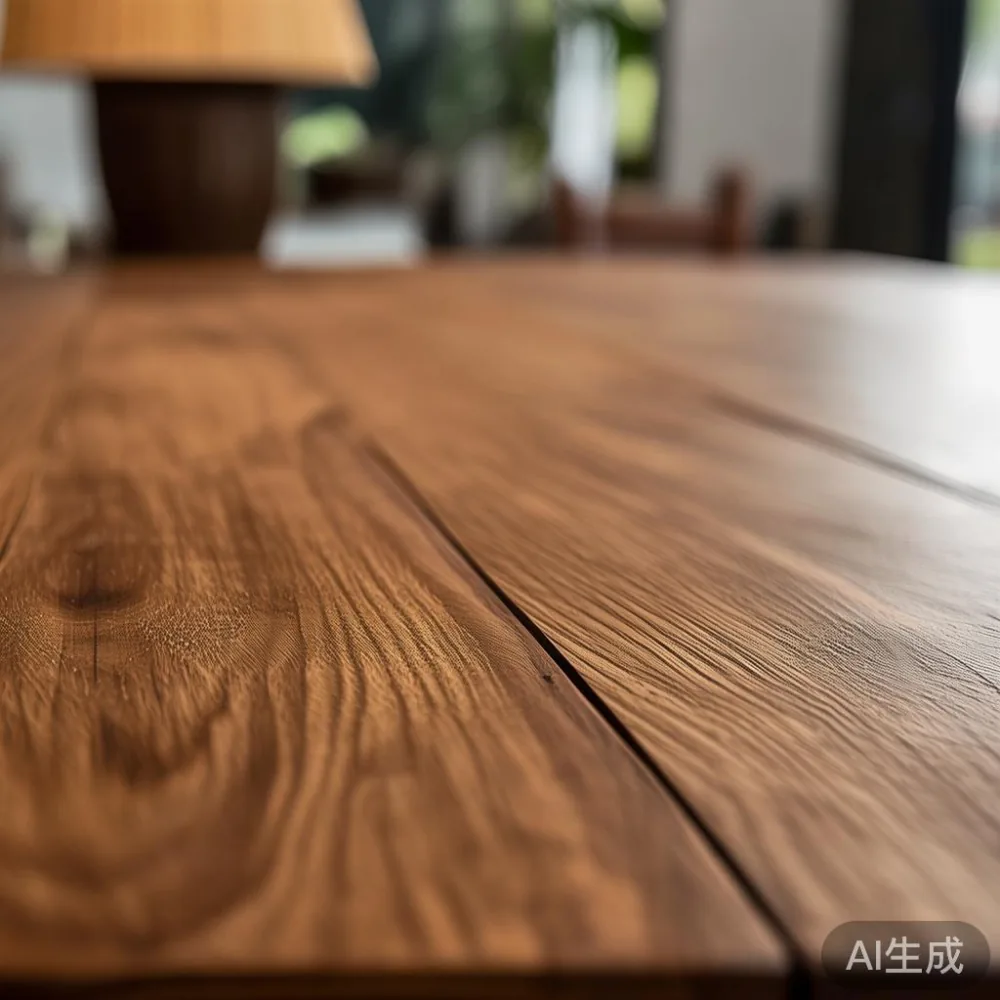
Why does the air in Singapore punish wood furniture so harshly?
Singapore sits roughly one degree north of the equator, and the average relative humidity outside hovers between 75% and 90% for most of the year. Indoors, with the air-con cycling on and off, your living room can swing from 55% RH at 2pm to 82% RH at 6am. Solid wood is hygroscopic: it absorbs and releases moisture to stay in balance with the surrounding air. When humidity climbs, the cells in the timber swell — typically 1% to 3% across the grain for tropical hardwoods like teak, rubberwood, and white oak. Over a full year that is enough movement to crack a marble-top dining table's timber apron, jam a wardrobe door by 4mm to 6mm, or push a bed frame's side rails out of square. The fix is not stronger glue; it is choosing the right construction method and learning how to live with the wood.
What humidity number actually matters when I am shopping?
Look at the equilibrium moisture content (EMC) your piece is built for, not the marketing language. For Singapore bedrooms, an EMC of 10% to 12% is the realistic target. A kiln-dried rubberwood dining table that left the Foshan factory at 10% EMC will sit comfortably in a Punggol condo; one that left at 14% EMC will cup and bow within two wet seasons. Ask the salesperson, in writing, what moisture content the timber was dried to. If they cannot answer, walk away. MIDHILL publishes kiln-drying data on its spec sheets — that is the kind of detail a first-time buyer should demand from any brand charging over SGD 2,000 for a solid wood bed frame.
Will my lift and corridor even accept a 2.4-metre wardrobe?
This is the question first-time buyers forget until moving day. Most Singapore HDB lifts in blocks built after 2010 measure about 1.2m wide by 1.5m deep, with a diagonal of roughly 1.95m and a door opening of about 0.9m by 2.1m. Private condos in Bedok and Punggol tend to be a touch wider but rarely exceed 1.3m by 1.8m. A flat-packed wardrobe in three cartons will usually fit; a fully assembled solid wood wardrobe at 2.0m tall by 1.8m wide will not. Measure your lift diagonal with a tape measure on a weekend afternoon — it takes four minutes and saves you a SGD 120 redelivery fee. Leave at least 10cm of clearance so the movers are not scraping timber against steel walls. If you live on a higher floor without a service lift, ask whether the seller can deliver in two halves that bolt together on site.
How do I style a Japandi corner sofa in a small apartment?
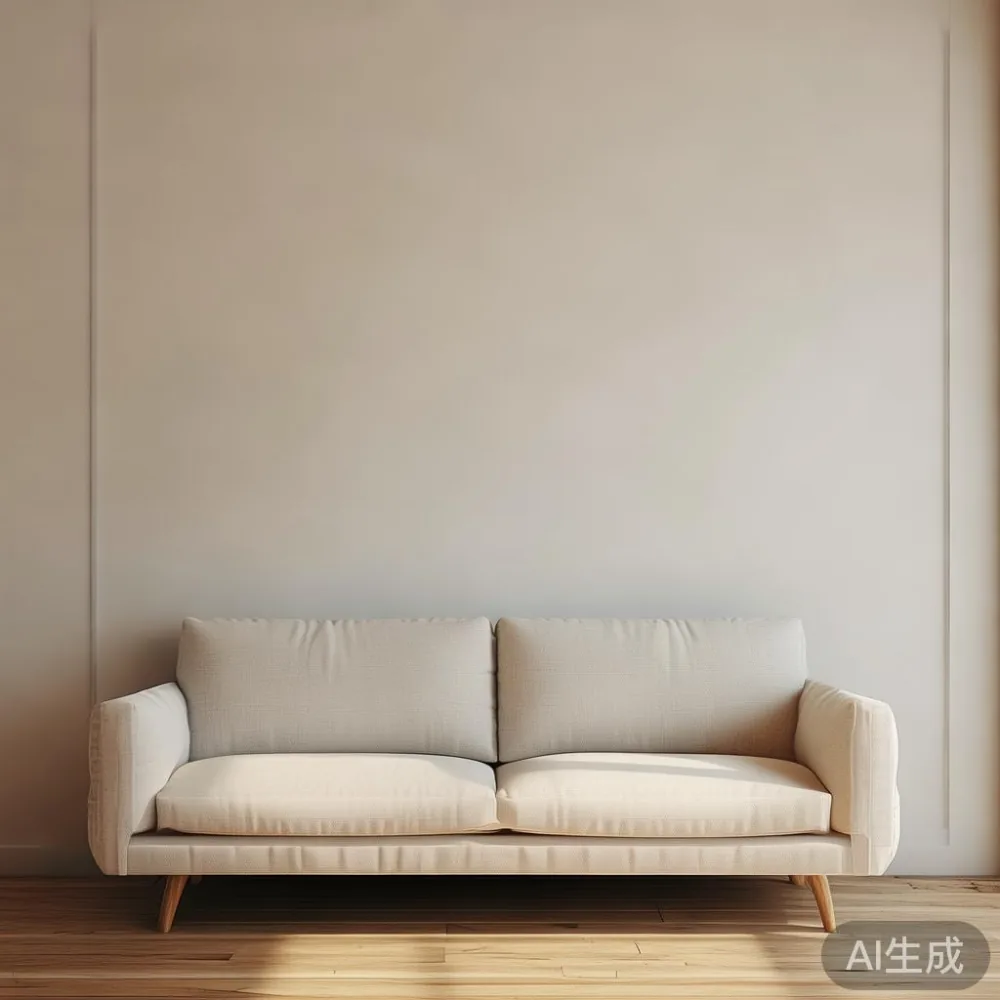
Pick a corner sofa in a Japandi style with a low profile (seat height 38–42cm), a left- or right-facing chaise no deeper than 160cm, and removable linen-blend covers in stone grey or oat beige — and float it 10cm off the wall so air can circulate behind the frame. That single 10cm gap is the difference between a sofa that ages gracefully and one that traps moisture against plaster until mildew blooms on the back panel. In my own living room I paired a 220cm corner sofa with a 90cm round travertine side table, a flat-weave jute rug sized 200x300cm, and a single walnut shelf at 150cm to break the horizontal line. Keep the palette to three tones — pale ash, warm oak, off-white — and the Japandi look reads calm rather than sparse, which is what most first-time buyers actually want from a light luxury interior without paying European prices.
What about lighting and layout?
Japandi interiors lean on soft, indirect light. A 2700K floor lamp behind the corner sofa's open end stops the corner from feeling like a dark pocket, especially in HDB flats where the only window faces the corridor. Floor-to-ceiling sheer curtains in ivory cotton (around SGD 65 a panel at IMM or IKEA Jurong) let the afternoon breeze through while softening the harsh tropical glare. Avoid placing a solid wood bed frame flush against a north-facing external wall; that wall runs 2°C cooler in January and condensation forms overnight. Leave a 5cm spacer or use a low fabric headboard instead.
Which wood species actually survive a Singapore bedroom?
Not all hardwoods behave the same. Teak is the traditional answer — high natural oil content, tight grain, and a movement coefficient of about 2.1% — which is why old Peranakan shophouse doors still open smoothly after 90 years. Rubberwood (Hevea brasiliensis) is the workhorse of mid-range solid wood furniture and performs well when properly kiln-dried, but it dislikes sustained humidity above 80% and will blacken if left wet. White oak is handsome but moves more than teak, so it needs quarter-sawn boards for anything wider than 60cm — a wardrobe side panel, a long dining table top. Ash is springy and good for chair frames but not ideal for a wardrobe door. Walnut is stable and beautiful for nightstands, but at SGD 480 to SGD 720 per piece it pushes the budget for a first-time buyer who is also paying 9% GST on a SGD 6,000 furnishing haul.
Quick species comparison
For a first-time buyer in Singapore, a practical ranking looks like this: teak > rubberwood > white oak > ash > walnut for pure stability, and rubberwood > white oak > teak > ash > walnut for value. If your budget is under SGD 1,500 for a dining table seating six, kiln-dried rubberwood with a 4cm thick top is the rational choice. If your budget is above SGD 3,500, insist on quarter-sawn white oak or Burmese teak for a French light luxury dining table that will outlast three HDB leases.
What daily habits protect a solid wood wardrobe or bed frame?
Three habits cover 80% of the risk. First, run a dehumidifier set to 55% RH in the bedroom for at least eight hours overnight; a standard 12L Mitsubishi or Keystone unit costs around SGD 320 and uses about SGD 6 of electricity a month. Second, leave wardrobe doors ajar for 20 minutes after an air-con cool-down so trapped moist air escapes — this is the single trick that stopped my Tampines wardrobe door from sticking. Third, wipe spills immediately with a dry microfibre cloth; never let water pool on a timber surface for more than 60 seconds, and never place a wet umbrella on a solid wood nightstand. Add a quarterly rub-down with a beeswax or hard wax oil (about SGD 28 a 500ml tin at hardware stores in Tampines Mall) and your furniture will develop a patina rather than a problem.
Do I really need a space saving extendable dining table for balcony?
If you live in a compact HDB or condo, yes — a space saving extendable dining table for balcony turns a 1.2m by 3m void deck balcony into a usable Sunday brunch spot for four, and folds back to 60cm depth when you need to wheel the laundry rack past it. The right pick is a solid rubberwood or teak frame on concealed butterfly leaves (one 40cm leaf added), measuring 120cm closed and 160cm open, with an oiled finish rather than a thick polyurethane lacquer (lacquer traps moisture and chips at the corners within 18 months in our climate). Budget SGD 780 to SGD 1,400 for a good one; under SGD 500 you are usually buying MDF with a wood veneer that will swell at the first monsoon burst.
How much should a first-time buyer actually budget in Singapore?
For a complete bedroom set in solid wood — bed frame, two nightstands, and a six-foot wardrobe — expect to spend SGD 3,800 to SGD 7,500 at retail in Singapore before GST. A solid wood dining table seating six with four chairs runs SGD 1,800 to SGD 4,200. A three-seater solid wood sofa with washable covers runs SGD 2,400 to SGD 5,800. Marble tables for the living room start at SGD 1,200 for a 90cm round travertine top on a hardwood base and climb quickly above SGD 3,000 for Italian Calacatta. Add 9% GST, a delivery fee of SGD 60 to SGD 150 unless the order crosses the free-shipping threshold, and a small buffer for one or two nightstand add-ons. The first-time buyer who does not budget a buffer ends up buying a cheap MDF side table in month three and regretting it for the next five years.
Where the money actually goes
About 40% of the cost is the timber itself, 25% is kiln-drying and machining, 15% is joinery (mortise-and-tenon, dovetail drawers, finger joints), 10% is finishing oils or lacquers, and the remaining 10% is packaging, container shipping from Foshan or Malaysia, and the showroom's rent on Bukit Timah. A direct-from-factory brand like MIDHILL can skip the showroom markup because the pieces ship flat-packed with a 10-year structural warranty and lifetime refinishing — both of which matter far more in Singapore's climate than a glossy brand catalogue.
What red flags should I watch for when inspecting a piece in-store?
Run your palm across the underside of a dining table — if it feels rougher than the top, the maker sanded only the visible faces and the hidden surfaces will absorb moisture unevenly. Open and close every drawer five times; a drawer that binds after the third open is a sign the carcass is not square, which humidity will only worsen. Smell the piece. A strong chemical or sweet-solvent smell points to a cheap nitrocellulose lacquer that will yellow and craze in our UV index, which hits 9 to 11 most afternoons. Tap the timber with your knuckle — solid wood gives a sharp, resonant ring; MDF or particleboard gives a dull thud. Ask whether the back panels of wardrobes are solid wood or 9mm plywood; in our humidity, 9mm plywood will bow inward within a year, ruining the door alignment.
How long should quality solid wood furniture actually last here?
A well-made teak or quarter-sawn white oak piece, kept indoors and maintained twice a year, should serve a Singapore family for 25 to 40 years. Rubberwood pieces typically last 12 to 20 years before the joinery softens enough to need a re-glue. A post-modern light luxury dining table from a brand that offers lifetime refinishing — sanding, re-oiling, replacing damaged slats — can stretch past 30 years easily because the timber is preserved long after the finish wears. That is the practical upside of buying solid wood over engineered wood: you can refinish it. You cannot refinish a swollen MDF panel, you can only replace it, and replacement at year eight is not the financial win the salesperson promised on day one.
Frequently Asked Questions from First-Time Buyers in Singapore
Do I need an air-con in the bedroom 24/7 to protect wood furniture? No. Cycling the air-con for eight hours overnight while the doors are closed is enough to keep bedroom humidity between 55% and 65% RH. Running it 24/7 wastes about SGD 90 a month and over-dries the timber, which causes its own cracking at the joints.
Is a light luxury brand worth paying 30% more for? For pieces you use daily — a solid wood sofa, a bed frame, a dining table — yes, because the joinery and timber grading tend to be a step above. For decorative items like a marble side table or a small nightstand, a mid-range maker is a reasonable trade-off if the dimensions and finish match your scheme.
Can I refuse delivery if the cartons smell musty? Yes. Musty cartons mean the container was breached or the timber was packed above 15% EMC. Refuse the delivery in writing, photograph the cartons, and request replacement pieces. Reputable sellers, including MIDHILL on its Singapore routes, will redeliver at no charge inside the 14-day return window.
How wide should the corridors be for moving a flat-packed wardrobe? Minimum 80cm of clear turning radius at every corner. HDB corridor widths are typically 1.2m to 1.5m, so the bigger issue is usually the lift, not the corridor.
Closing thoughts for the first-time buyer
Humidity is not a reason to avoid solid wood furniture in Singapore — it is a reason to buy it more carefully. The wood will always be moving; the question is whether the maker respected that movement when they cut, dried, and joined the boards. Choose kiln-dried timber in the right species, leave air gaps behind wardrobes and bed frames, run a dehumidifier in the bedroom, and budget for one round of maintenance oil each year. Do those four things and a French light luxury dining table from a brand with a 10-year structural warranty will still be hosting Sunday dinners when your child starts primary school in 2031.