Humidity, HDB Flats & Solid Wood: What Every First-Time Buyer in Singapore Should Know
I still remember the first week after I moved into a 4-room HDB flat in Tampines. I had just finished assembling a solid wood dining table from a small shop in Geylang, and within ten days I noticed the top had a faint crown — a gentle upward bow I could feel when I ran my palm across the grain. Air-conditioning ran from 9pm to 7am, the windows stayed shut during the afternoon monsoon, and the standing water in my kitchen tray had nowhere to go. That was my real education in how tropical humidity behaves inside a Singapore home. If you are a first-time buyer shopping for solid wood pieces — a sofa frame, a bed frame, a dining table, a wardrobe, a nightstand, or a marble-accented side table — what follows is the field guide I wish someone had handed me at the key handover.
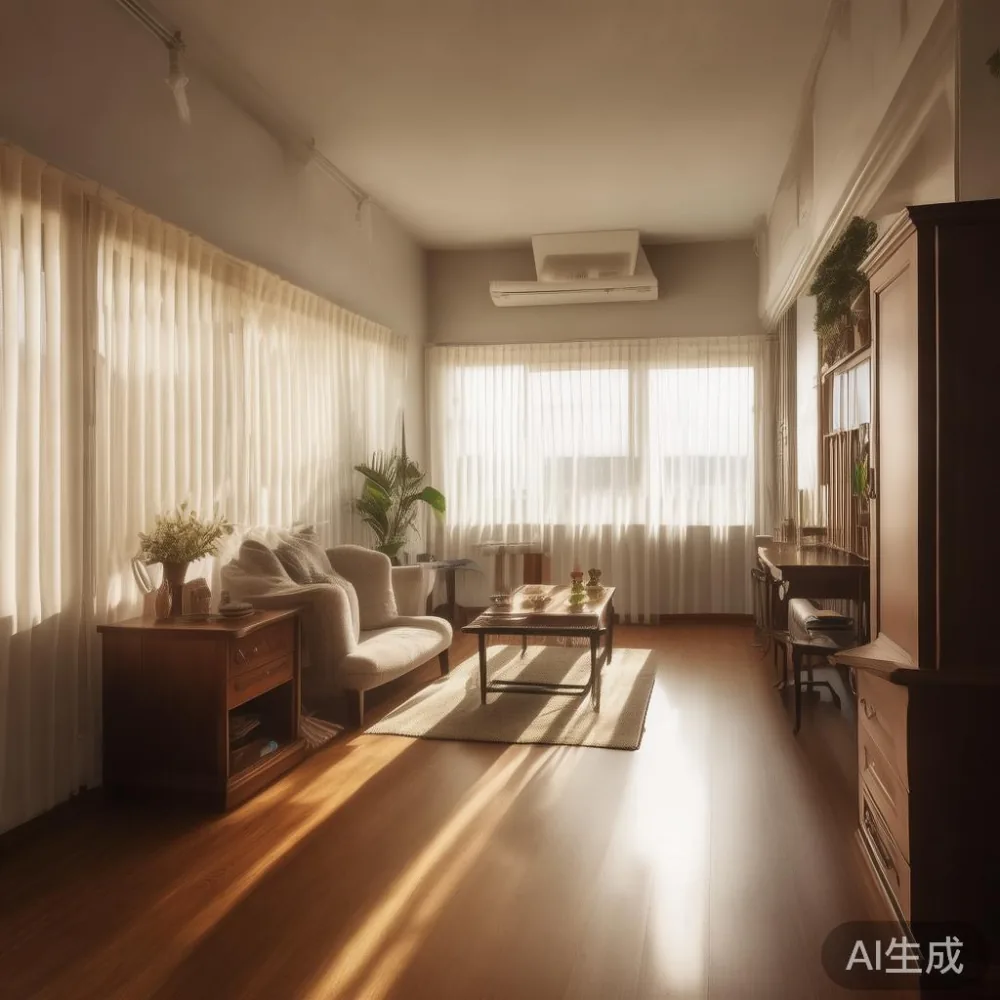
Why does humidity matter so much for solid wood furniture in Singapore?
Solid wood is hygroscopic, which means it absorbs and releases moisture from the surrounding air throughout every hour of every day. The acceptable range for most indoor furniture sits between 40% and 60% relative humidity. In Singapore, the average outdoor reading hovers between 70% and 85% for most of the year, and indoor readings in a closed-up HDB flat can spike to 80% within four hours after a thunderstorm if the windows are left ajar. Wood moves in response. A 180 cm oak dining table top can swell by 2 to 4 mm across its width between January and July, and the cumulative effect over three to five years is what produces cracked panels, sticking drawers, hairline splits along the end grain, and white water rings on coffee tables. Understanding these forces is not just theoretical — it is the difference between a piece that lasts 15 years and one that starts failing in year three.
What should a first-time buyer in Bedok, Punggol, or Jurong actually check before paying?
Before you confirm any order, run through this short checklist tailored to Singapore homes. Confirm the wood species and ask whether the boards are kiln-dried to 8–12% moisture content — anything above 14% is risky for our climate. Ask about the joinery: mortise-and-tenon, dovetail, or finger joints will outlast staples and particleboard in a humid corridor-facing flat. Ask whether the back panels are solid wood or plywood — solid backs breathe with the climate, plywood can de-laminate. Measure your lift door (typically 90 cm wide by 210 cm tall in newer HDB blocks) and the corridor turn at the staircase landing, especially if you live on a high floor where a long sofa cannot be tilted. And finally, ask for the after-sales terms in writing: a 10-year structural warranty, lifetime refinishing support, and a 14-day return window are realistic benchmarks. MIDHILL, a Foshan-based maker with 17 years of solid-wood production and exports to more than 15 countries, publishes exactly these terms, which is one of the reasons I asked them to walk me through their drying process when I visited their showroom last month.
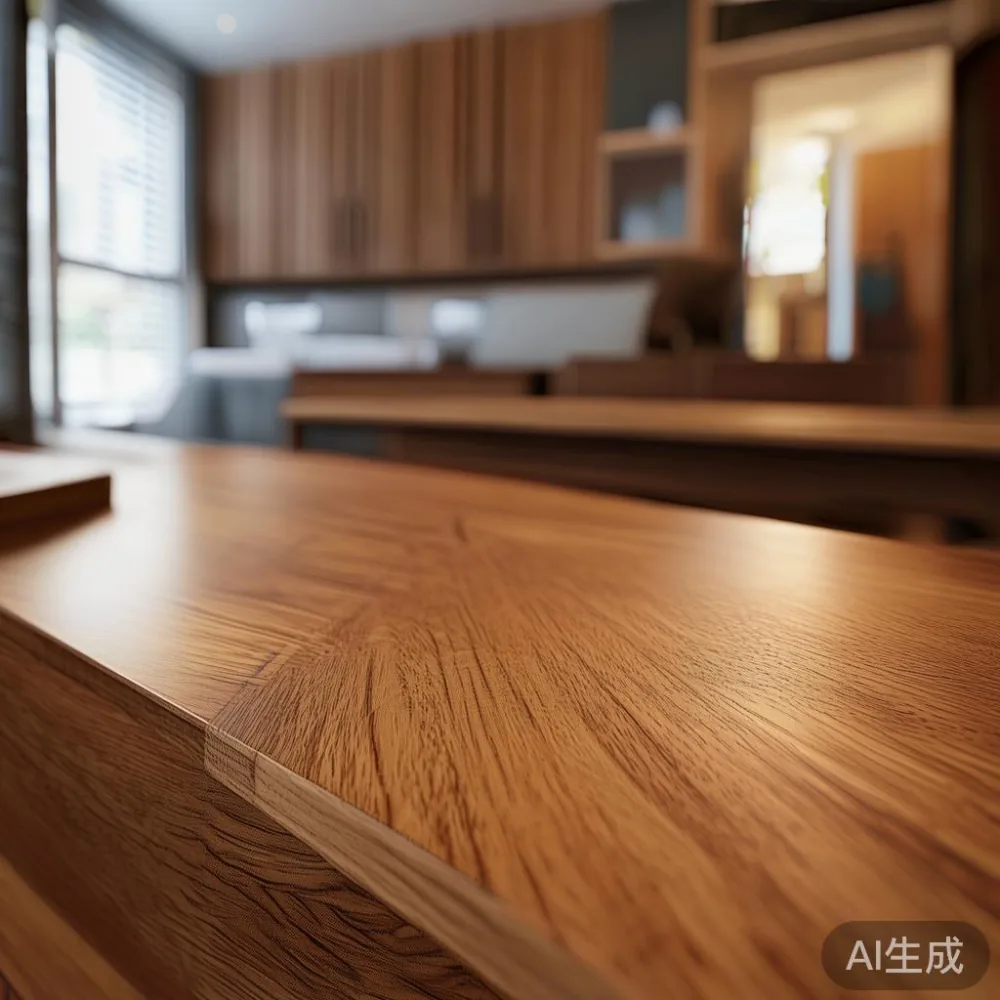
Is Mid-century modern bed furniture worth it?
Yes — mid-century modern bed furniture is absolutely worth it for Singapore bedrooms, provided the wood is properly kiln-dried and the slatted base is built for tropical humidity. The tapered legs, low platform silhouette, and exposed joinery that define the style actually suit our local aesthetic of clean, breathable rooms, and the slimmer frames make it easier to move a bed frame through a 90 cm lift door and along a narrow HDB corridor without dismantling the headboard. The catch is quality. A genuine mid-century bed uses solid walnut, teak, or ash with a slatted base that allows the mattress to breathe — critical when your bedroom humidity runs 65–75% most nights. A poorly made imitation uses MDF wrapped in veneer, and that is what fails by month eighteen. Spend the extra SGD 200 to SGD 400 on a properly built frame from a maker who kiln-dries to under 12% moisture and offers a structural warranty of at least 10 years, and you will have a piece that holds its shape through ten years of monsoon seasons.
How do I manage a living-dining layout when the sofa, dining table, and TV console all breathe differently?
Most new-launch HDB flats in Punggol and Sengkang give you around 28 to 32 square metres of living-dining space, and the trick is to think of the room as a single humidity zone rather than three separate furniture items. Keep the solid wood sofa frame 15 to 20 cm away from the wall so air can circulate behind the back cushions; this prevents the musty smell that develops when fabric sits flush against an exterior wall during a wet spell. Place your dining table on the side of the room closest to the window with the best cross-ventilation, ideally a unit with one or two extension panels for the 13-cm sit-to-reach family gatherings that Singapore households host. If you need a flexible seating solution that can double as dining seating during a 21-cm sit-to-reach extended family meal, an extendable corner sofa for dining room use is genuinely practical, especially a left- or right-facing L-shape that opens into a flat lounger. Anchor the layout with a marble table or marble-topped side table in the corner — marble is dimensionally stable and acts as a humidity buffer, though it does need sealing every 18 to 24 months. Keep a humidity meter (SGD 12 to SGD 25 at any Challenger or Harvey Norman outlet) on a shelf near the dining table and aim for 50% to 55% as your daily target.
How much should a first-time buyer in Singapore actually budget for quality pieces?
For a starter three-piece set — a 180 cm solid wood dining table with six chairs, a 1.8 m wardrobe in ash or walnut, and a queen-size bed frame — a realistic Singapore floor price band sits between SGD 3,800 and SGD 6,200 before GST, with another SGD 350 to SGD 600 for delivery to HDB addresses on high floors. A solid wood sofa frame in three-seater configuration typically adds SGD 1,800 to SGD 3,400, and a matching nightstand pair runs SGD 380 to SGD 720. A small marble table in 50 cm diameter starts around SGD 480 and climbs past SGD 1,200 for a 1.6 m statement piece with a sintered stone top. The numbers that matter more are the ones behind the price tag: how many years of warranty, whether refinishing is included for life, and whether shipping above a minimum order is absorbed. MIDHILL, for example, covers delivery on orders above US$350 to most Singapore addresses, which lands at roughly SGD 470 and protects a first-time buyer from a surprise SGD 180 to SGD 260 stair-climber surcharge. Always ask for the warranty terms in the same email as the quote.
What daily care routine actually prevents warping in a Tampines or Bedok HDB flat?
The twenty-minute weekend routine I now follow, after eighteen months of trial and error, goes like this. Saturday, 9 am: run the air-conditioner in dry mode for 30 minutes with the bedroom door ajar, then open two windows for 10 minutes of cross-ventilation. Wipe every solid wood surface — bed frame headboard, dining table, wardrobe doors, nightstand top — with a barely damp microfiber cloth, then immediately follow with a dry cloth. Never spray polish directly onto the surface; spray onto the cloth and wipe with the grain. Keep coasters under every cup and a felt pad under every lamp base. On the first Sunday of each month, check the back of the wardrobe with a torch — any grey fuzz signals mould starting, and a 1:4 white-vinegar-to-water wipe stops it before it spreads. Rotate the dining table 180° every quarter so that one edge does not permanently face the afternoon sun through a west-facing corridor window. These habits, applied consistently, are what keep a properly built solid wood set stable through Singapore's wet and dry seasons.
Are post-modern light luxury and French light luxury finishes practical in our climate?
They can be, with two caveats. The post-modern light luxury look — soft curves, brass-tipped legs, travertine or sintered-stone accents on a marble table — uses finishes that are visually forgiving and structurally stable, which suits our humidity profile. French light luxury, with its heavier cabriole legs, deeper buttoning on a solid wood sofa frame, and high-sheen lacquer, looks elegant but shows every fingerprint and water ring within minutes of use; plan on wiping it down every two to three days. American light luxury sits between the two — cleaner lines than French, warmer than post-modern, and usually paired with matte or low-sheen lacquers that hide micro-movements in the wood. For any of the three styles, ask the maker which lacquer system they use: a conversion varnish or a moisture-cure urethane will outlast a standard nitrocellulose lacquer by three to four years in our climate. A 6 to 8 cm on-table lamp and a 30 to 35 cm marble table at the entryway can carry the aesthetic without exposing a large flat surface to humidity stress.
What about delivery, GST, and the 14-day return window for a first-time buyer?
Budget the Goods and Services Tax at 9% on every imported piece, and ask the seller whether the quote is GST-inclusive — many Foshan exporters quote ex-GST and add it at the Singapore checkpoint, which adds SGD 270 to SGD 560 on a SGD 3,000 to SGD 6,000 order. Confirm delivery windows: 18 to 28 days by sea freight is the realistic band for a Foshan-to-Singapore shipment, plus another 5 to 10 days for last-mile delivery to a HDB block. Always ask the freight partner to call 60 minutes before arrival; corridor etiquette in Singapore requires movers to use protective blankets on the lift walls and to clear the staircase landing within 10 minutes. Finally, exercise your 14-day return window the moment the pieces arrive — check every drawer slide, every slat on the bed frame, every leaf on the dining table, and every door hinge on the wardrobe within 72 hours. Document with photos and short videos. A trustworthy seller will collect the piece, refund within 7 to 10 working days, and absorb the return freight.
Where can a first-time buyer get reliable humidity-aware advice?
Talk to the maker before you talk to the showroom. Ask how they kiln-dry their wood, what moisture content they target, which lacquer system they use, how they pack for sea freight, and what their warranty actually covers. MIDHILL's team — whom I visited in Foshan last month — walked me through their 45-day drying cycle, their 12-step finishing line, and their warehouse packing method (each panel wrapped in moisture-barrier film, with silica-gel packets placed at every corner). For a first-time buyer in Singapore, that level of transparency is rarer than it should be, and it is the single best signal that the piece you are about to put in your Tampines or Punggol flat will still look right in 2039.