Veneer vs Solid Wood: A 5-Year Cost Guide for First-Time Singapore Furniture Buyers
I still remember standing in the MIDHILL showroom in Foshan last November with a Singapore couple — a BTO owner in Punggol and her husband, both first-time buyers clutching a printout of their HDB renovation budget. They kept pulling at the edge of a wardrobe panel, trying to decide if the thin layered surface they were touching was "real wood" or something else. That single question — veneer or solid wood — is what every first-time buyer in Tampines, Bedok, or Punggol eventually has to answer, usually when they are staring at a price difference of SGD 600 to SGD 2,200 on what looks like the same dining table.
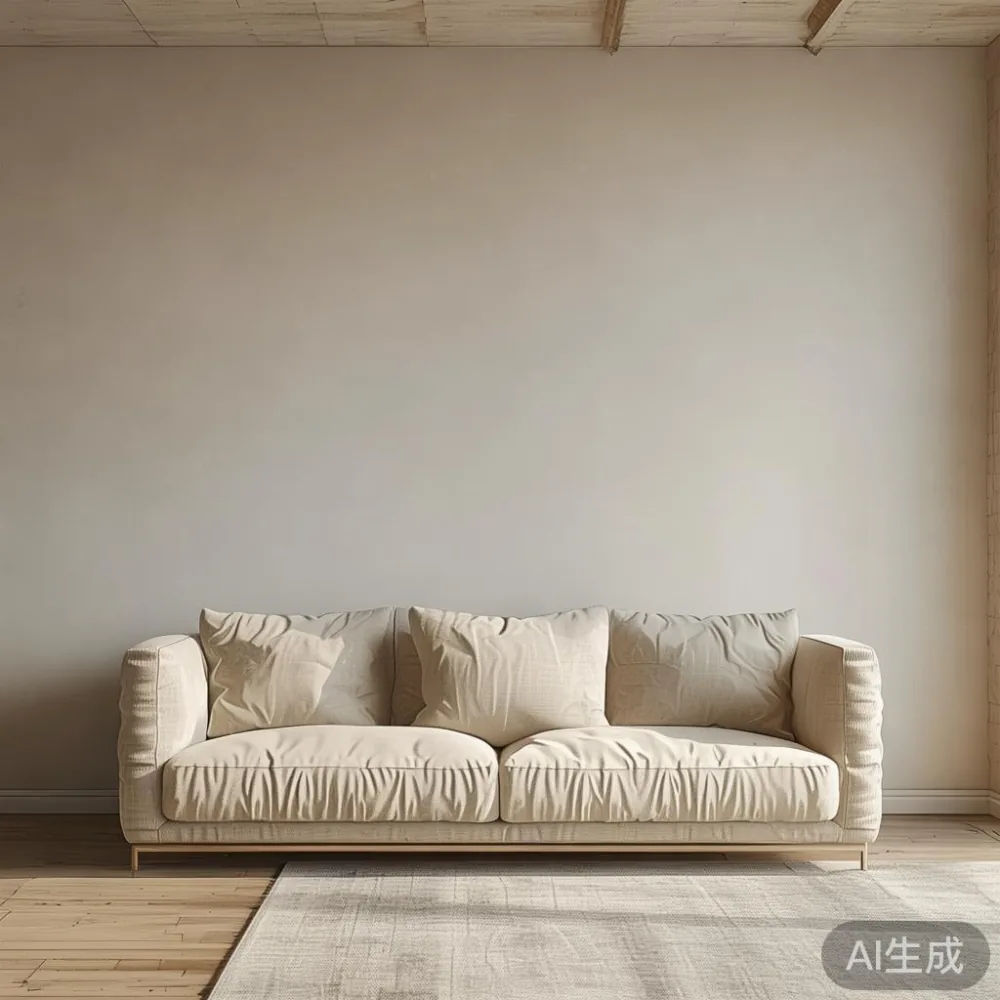
For a first-time buyer furnishing a 4-room HDB or a 1,200 sqft condo, the five-year cost is rarely just the sticker price. It includes refinishing, replacement parts squeezed through a 0.9 m corridor, GST 9% (rising to 9.25% in 2025), lift access for movers, and the hidden cost of chips when a contractor drags a wardrobe across a tiled floor. Below is the realistic five-year math, written for Singapore households, with prices in SGD and measurements in cm.
What does "veneer" actually mean on a furniture price tag in Singapore?
Veneer is a 0.6 mm to 3 mm slice of real wood — often walnut, ash, or teak — glued onto a cheaper core such as MDF, plywood, or particleboard. The top layer is genuine timber, which is why a walnut ash wood wood finish on a wardrobe door can look identical to a 100% solid walnut door in a Tampines furniture showroom under warm lighting. The difference is structural, not visual.
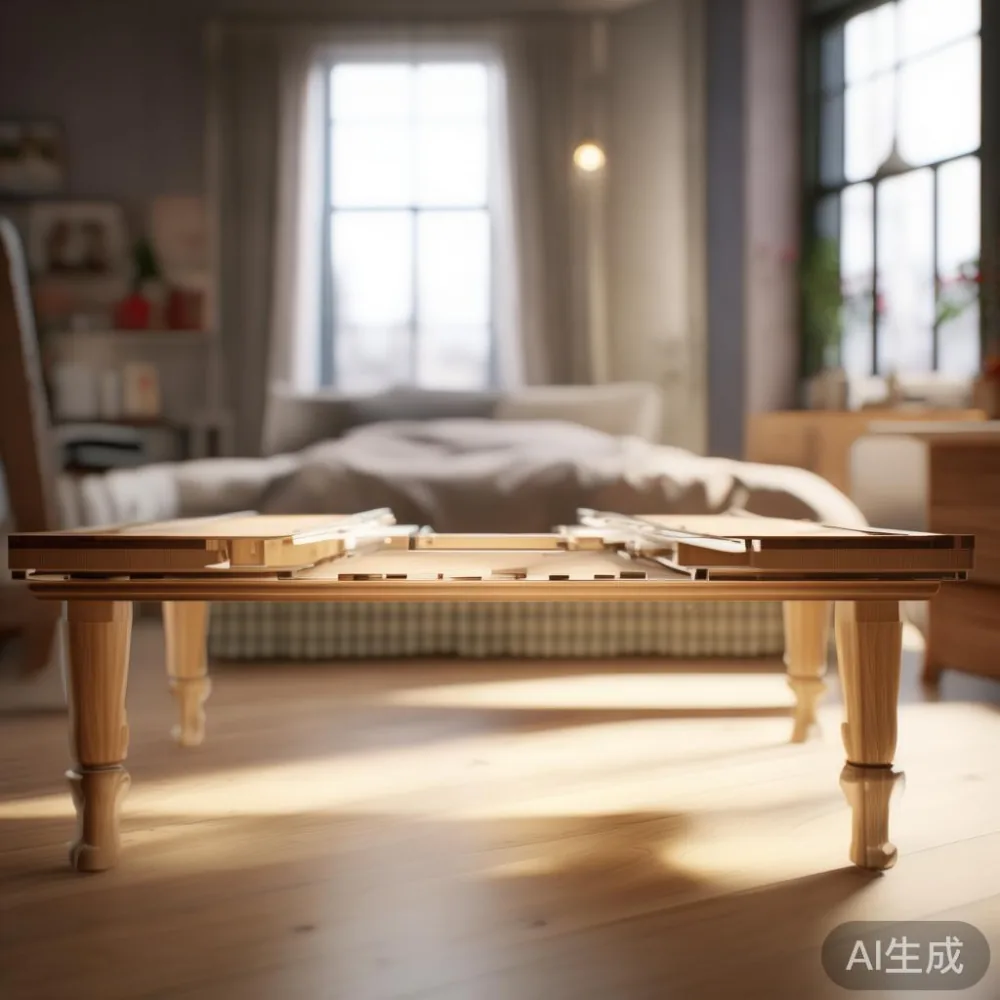
For a first-time buyer, the practical consequence shows up in the second or third year: a child bumps a dining chair into the corner of a veneer dining table, the thin layer chips, and the grey MDF core becomes visible. A solid wood dining table at the same impact shows a dent — repairable, paintable, part of the wood's character. Veneer chips cannot be invisibly patched.
How much does a typical first-time Singapore buyer spend in Year 1?
Based on what I saw visiting three Tampines HDB flats last month with a local interior designer, a typical first-time buyer furnishing a whole 4-room flat spends between SGD 8,500 and SGD 18,000 on furniture in the first year. The split usually looks like this:
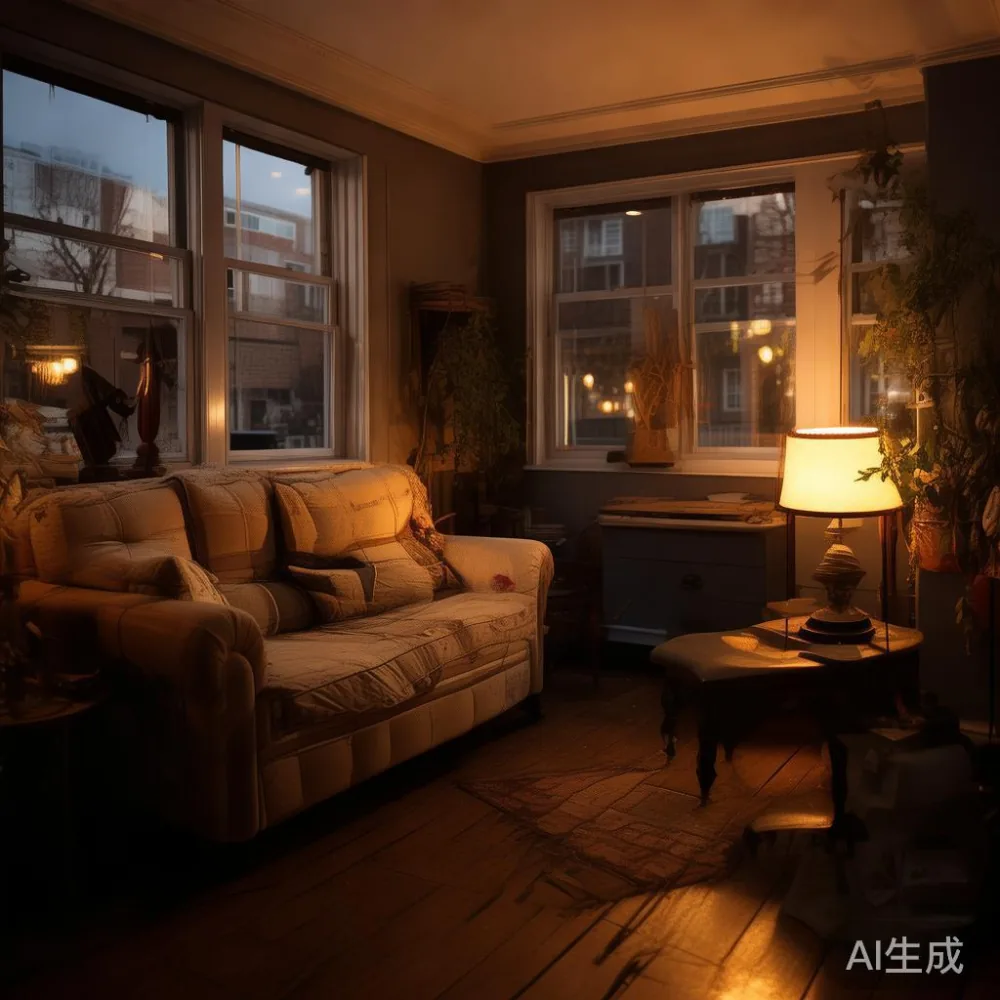
- Solid wood sofa frame, 3-seater, fabric upholstery: SGD 2,400 to SGD 980 (mid-range), or SGD 4,500 to SGD 1,850 (entry-light-luxury).
- Solid wood bed frame, queen, with headboard: SGD 1,950 to SGD 980.
- Dining table for 4, 1.4 m to 1.6 m: SGD 1,650 to SGD 680.
- Wardrobe, 3-door, 1.8 m height: SGD 2,400 to SGD 1,250.
- Nightstand, pair: SGD 720 to SGD 380.
- Marble table or side table: SGD 1,100 to SGD 520.
The same set in engineered veneer with MDF core typically costs 35% to 55% less at retail. A buyer who chooses all-veneer furniture could bring that SGD 12,500 set down to around SGD 6,800, leaving SGD 5,700 for lighting, curtains, or an air-con upgrade. That gap is the entire reason the comparison matters.
What is the difference between European bed frame and modern furniture?
European bed frame construction uses solid hardwood (often beech, oak, or ash) with mortise-and-tenon joinery and slatted bases, prioritising a neutral, restrained silhouette and a 15 to 25 year service life; modern furniture, by contrast, often pairs solid wood frames with engineered panels, lighter joinery, and design-led forms influenced by post-modern light luxury and French light luxury aesthetics — meaning shorter visual cycles but easier customisation.
For a first-time buyer, the practical read is this: a European-style bed frame is a 20-year fixture. A modern solid wood bed frame from a maker like MIDHILL is a 10 to 15 year fixture with the option of lifetime refinishing. A modern engineered-veneer bed frame is a 5 to 8 year fixture. The five-year cost comparison below assumes all three are treated honestly.
How do veneer and solid wood compare over five years in Singapore dollars?
The table below uses realistic Singapore retail prices for a queen bed frame + 4-seater dining table + 3-door wardrobe + 2 nightstands, all delivered to a HDB in Tampines on a single lorry via a 0.9 m m corridor and a 2.1 m lift door.
- Solid wood set, Year 1 purchase: SGD 7,200. Delivery SGD 180. GST 9% (2024): SGD 664. Year 1 total: SGD 8,044.
- Solid wood refinishing in Year 3 (sanding, re-oiling, two nightstands touched up): SGD 220. Year 3 total: SGD 220.
- Solid wood minor repair in Year 5 (one wardrobe door re-aligned after HDB humidity shift): SGD 90. Year 5 total: SGD 90.
- Solid wood 5-year total: SGD 8,354.
- Veneer set, Year 1 purchase: SGD 4,400. Delivery SGD 120. GST 9%: SGD 407. Year 1 total: SGD 4,927.
- Veneer chip repair in Year 2 (dining table corner): SGD 180 — often a colour-match fill that is visible under raking light.
- Veneer replacement in Year 4 (wardrobe door panel swollen from HDB humidity, replacement part not available, full unit replaced): SGD 1,950.
- Veneer 5-year total: SGD 7,057.
The gap shrinks from SGD 3,117 in Year 1 to roughly SGD 1,297 by Year 5. If the buyer skips refinishing and accepts the chips, the veneer path stays cheaper. If the buyer refinishes the solid wood once and avoids the wardrobe replacement, solid wood ends up about SGD 1,297 more expensive over five years — roughly SGD 22 per month for the certainty of repairable, refinishable timber.
What are the hidden Singapore-specific costs most first-time buyers forget?
Singapore adds four costs that don't appear on a Foshan or Jurong showroom price tag, and that I learned the hard way helping my colleague move into a Bedok condo in March.
- Corridor and lift access: HDB corridors in newer Punggol blocks are 1.2 m wide, but legacy Bedok blocks drop to 0.9 m at the turning. A 2.4 m solid wood wardrobe panel must come in two pieces or it will not make the corner. Two-piece wardrobes cost SGD 220 to SGD 380 more than single-panel units, and only solid wood makers routinely split panels cleanly.
- Humidity: Singapore averages 80% to 85% RH year-round. MDF-core veneer panels absorb moisture at the edges and swell 2 mm to 4 mm within 24 months in ground-floor HDB flats. Solid wood expands and contracts in the same direction as the grain and rarely fails at the edge.
- GST: at 9% in 2024 and 9.25% from 1 January 2025, a SGD 7,200 solid wood set carries SGD 664 to SGD 666 in tax. A first-time buyer should budget this separately, not roll it into the furniture line.
- Disposal: replacing a swollen veneer wardrobe at Year 4 means paying a HDB-approved disposal service around SGD 120 to SGD 180, plus the cost of the new unit. Solid wood pieces are usually kept, refinished, or donated.
Why do MIDHILL solid wood pieces keep their value after a second move?
Most Punggol BTO owners upgrade or relocate within five to seven years. A solid wood bed frame bought in Year 1 typically resells on Carousell at 45% to 60% of original price if the finish is intact; an engineered veneer bed frame resells at 15% to 25%, often with chipped corners that sellers photograph honestly. Over two moves, the depreciation gap is roughly SGD 1,800 on a SGD 4,000 set.
MIDHILL's 10-year structural warranty and lifetime refinishing service were the deciding factor for one Tampines couple I spoke with in February. They paid SGD 9,400 for a French light luxury solid wood sofa, dining table, and bed frame set, knowing the dining table could be sanded back to raw oak and re-oiled in Year 7 for around SGD 380 — a service no engineered-veneer maker in Jurong or Balestier offers, because the MDF core cannot be re-sanded without exposing the grey substrate.
Should a first-time buyer choose veneer, solid wood, or a mix?
The honest answer for a first-time buyer furnishing a Singapore HDB or condo is a tiered approach based on how the piece is used.
- High-touch, high-moisture, high-repair pieces: bed frame, wardrobe, dining table, and nightstand — buy solid wood. These are the pieces a child climbs, a husband drags during renovation, and a wife wipes down daily. A solid wood bed frame will outlast two HDB leases.
- Low-touch, low-moisture accent pieces: marble side table, console table, occasional chair — engineered veneer or marble-top is acceptable. The risk surface is small.
- Upholstery carriers: solid wood sofa frames are worth the upgrade because the frame outlasts the fabric by 8 to 12 years. A solid wood sofa frame re-upholstered twice will outlast three veneer-framed sofas.
If the budget is firm at SGD 7,000 for the whole flat, a first-time buyer should buy one solid wood anchor piece — usually the dining table or bed frame — and fill the rest with engineered veneer. If the budget can stretch to SGD 10,500, all-veneer is rarely the right call for a Tampines or Punggol HDB where humidity and two-piece delivery are non-negotiable realities.
How does MIDHILL's warranty change the five-year math for a first-time buyer?
MIDHILL's 10-year structural warranty covers joinery failure — the part of a bed frame or wardrobe that actually breaks — and the lifetime refinishing offer covers surface wear on solid wood tops. For a first-time buyer, that converts the SGD 1,297 five-year gap into something closer to SGD 700, because the two most likely failures (a wardrobe door warp and a dining table ring stain) are covered or refinishable rather than replacement events. Free shipping over US$350 (about SGD 475) removes the SGD 120 to SGD 180 delivery surcharge that single-piece Jurong deliveries add for HDB access.
For a first-time buyer in Singapore, the question is rarely "can I afford solid wood?" It is "can I afford to replace a veneer wardrobe twice in a ten-year HDB lease?" The five-year math above answers that question with Singapore dollars, Singapore humidity, and Singapore corridor widths — which is the only context that matters when the lift is 1.0 m wide and the wardrobe is 2.4 m tall.