Caring for a Lacquered Surface in a Tropical Climate: A First-Time Buyer's Guide for Singapore Homes
I still remember the morning I walked into a Tampines HDB on the 12th floor and saw a brand-new lacquered dining set going cloudy around the legs. The owner had moved in six weeks earlier. The air-con ran from 8pm to 6am, the windows stayed shut all day, and a dehumidifier sat unplugged in the store room. The piece itself was sound — good solid wood, good joinery — but the lacquer had reacted to a year of 80–90% relative humidity. That visit is why I keep notes now. If you are a first-time buyer bringing a lacquered sofa, dining table, bed frame or wardrobe into a Singapore flat, the climate will test your finish before anything else does. This guide explains how to keep that finish beautiful for a decade, not a season.
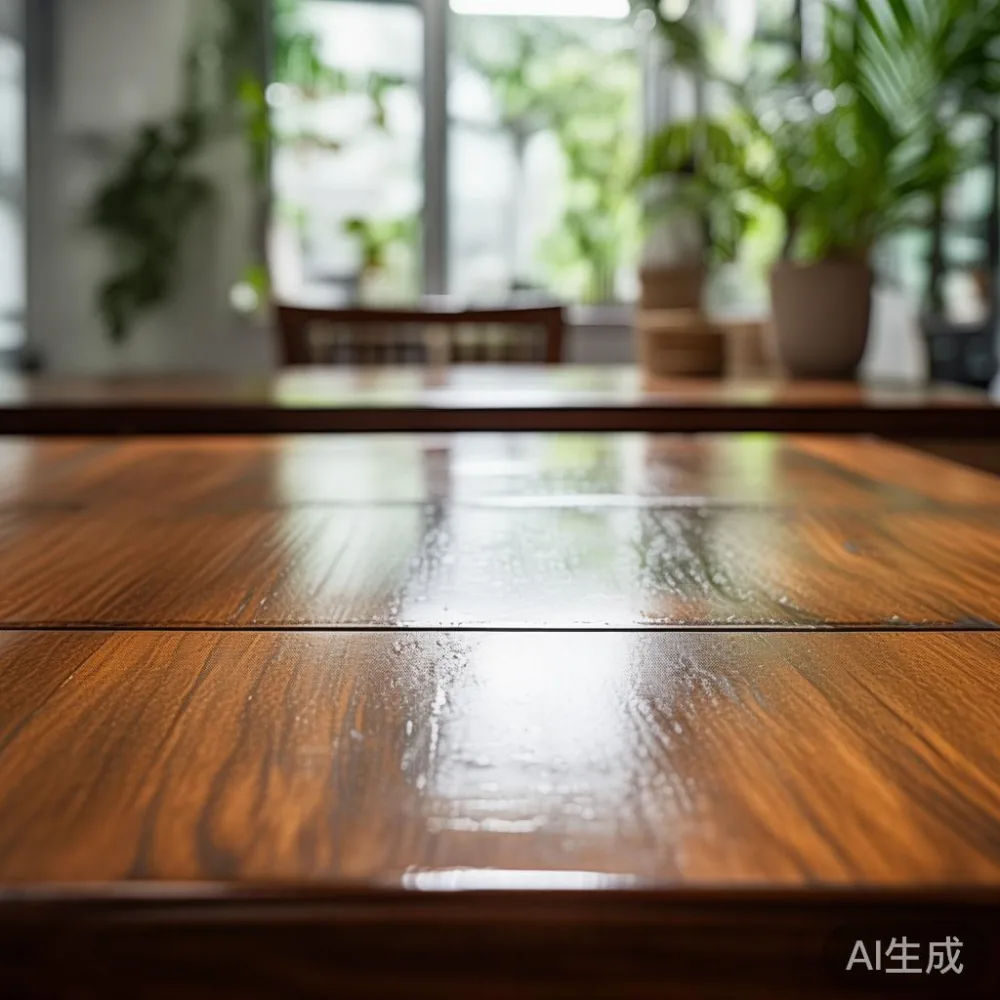
Singapore sits roughly one degree north of the equator. Outdoor relative humidity rarely drops below 60% and often climbs past 90% during the December to February monsoon surge and the September wet spell. Your home sits between 28°C and 32°C most of the year. Lacquer — whether the open-pore kind on a light-oak solid wood sofa or the high-gloss piano finish on a 1.8 m dining table — is a thin film of cured resin. That film absorbs and releases moisture with the wood underneath. When humidity swings are large, the wood moves faster than the film can follow, and the film shows it first.
Why does lacquer react so strongly to Singapore weather?
Lacquer is hygroscopic. It picks up water molecules from the air and lets them go again. In Tampines, Bedok and Punggol, you will see three everyday situations that punish a finish: morning condensation on north-facing corridor walls, afternoon sun through west-facing balcony sliders, and the 12–15°C drop when the air-con switches on after work. Each of those is a moisture or temperature swing, and each one asks the lacquer to expand, contract, then expand again within the same 24 hours.
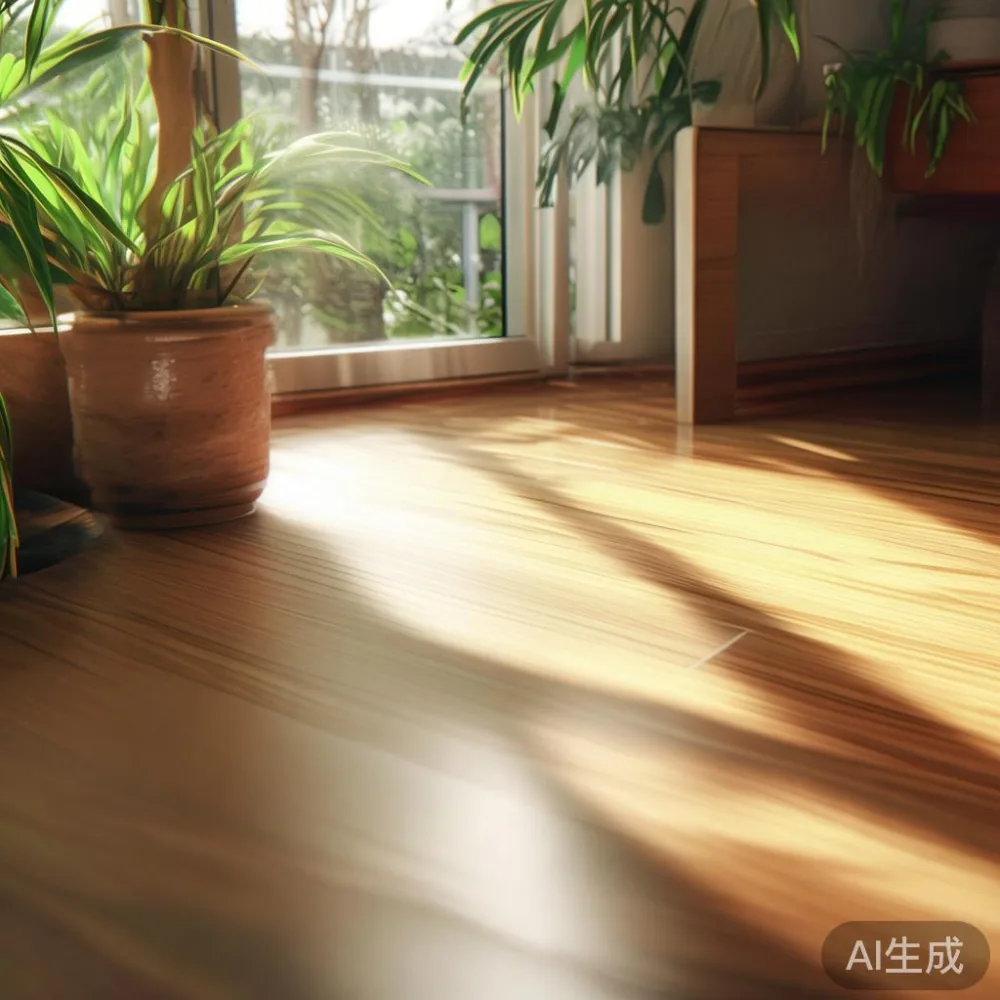
Common results are:
- A whitish haze on the table top where cold glasses, wet coasters or hot rice steamers sat without a trivet.
- Hairline cracks along the grain on a bed frame headboard, usually 3–6 months after delivery.
- Sticky patches that never quite cure, especially on a wardrobe door near the bathroom.
- A dull patch under a fixed TV on a media console, caused by trapped humidity with no airflow.
None of these mean the furniture is faulty. They mean the finish has been asked to do too much in too short a window. The fix is rhythm, not product.
What should a first-time buyer check on day one, before the box even opens?
If this is your first piece of designer light luxury furniture, the first 30 minutes matter more than the next 30 years. Before you sign for the delivery in the lift lobby, do five quick checks:
- Carton condition. A crushed corner on a wardrobe carton often becomes a dented edge on a door. Photograph it before the delivery crew leaves.
- Finish smell. A new lacquered piece will have a faint scent for 2–4 weeks. A sharp chemical sting means the cure window was rushed at the factory. Air it in a spare room, not your bedroom.
- Wood moisture reading. Ask the supplier for a reading. For Singapore, anything between 10% and 14% MC (moisture content) is safe. Above 16%, walk away.
- Footprint and lift access. Standard HDB lifts are about 1.1 m wide x 2.1 m deep x 2.4 m tall. Corridors are usually 1.2 m wide. Measure before ordering a 2.4 m wardrobe; some pieces must come flat-pack and be assembled in the bedroom.
- Warranty paperwork. A 10-year structural warranty on joints, plus a lifetime refinishing service, tells you the maker expects the finish to need refresh work eventually. That is honest.
How should I set up the room in the first 30 days?
The first month sets the tone. I watched a Punggol couple last month unbox a 1.6 m MIDHILL dining table at 9pm with the air-con at 23°C and the balcony door open. By midnight the tabletop had sweated under the plastic. They pulled the plastic off, lifted the table onto its pads, and left the air-con running until morning. That instinct was right.
For the first 14 days:
- Keep the room between 24°C and 27°C with the air-con on a gentle schedule.
- Run a dehumidifier set to 55% RH in the same room for 6–8 hours overnight. A standard 12-litre MeiLing pulls about 0.4 kWh per hour; expect SGD 4–6 on the monthly bill for nightly use.
- Avoid placing the piece directly under a window. A north-facing window in a HDB can push 75–80% RH air across a lacquered surface for 12 hours.
- Let the wardrobe doors stand slightly ajar (about 2 cm) for the first week so the inside acclimatises with the outside.
- Skip any wax, polish or oil. Fresh lacquer needs airflow, not a coating.
From week three onwards, settle on a target of 50–60% RH measured at chest height in the room, not at the ceiling. A S$22 thermo-hygrometer from a Tampines hardware shop is plenty accurate.
What is the daily care routine that actually works in the tropics?
Most care guides were written for London. The routine that works in Singapore is shorter, gentler and more frequent. Use a soft microfibre cloth (the 40 x 40 cm kind, washed without fabric softener) and a pH-neutral cleaner. Avoid silicone polishes — they look great for a week and then trap humidity against the film.
Daily, in 5 minutes:
- Wipe the dining table once after breakfast and once after dinner with a dry cloth.
- Buff the headboard of the bed frame when you make the bed. Two passes, no pressure.
- Empty coasters under any plant or cup on the nightstand.
Weekly, in 15 minutes:
- Damp-wipe the wardrobe doors with a well-wrung cloth, then wipe dry.
- Check the back panels of the sofa for damp, especially if the sofa sits within 50 cm of an exterior wall.
- Vacuum the inside corners of drawers with a brush attachment.
Monthly, in 30 minutes:
- Move the marble table trays, lamps and books, and clean under them. Trapped air under a tray for 30 days in 80% humidity is enough to leave a dull ring.
- Inspect the underside of the dining table with a torch. Condensation streaks there tell you the room humidity is too high at night.
- Rotate any rugs. A rug sitting on a lacquered surface will wick moisture into the wood and leave a shadow.
If a spill happens, blot it within 30 seconds. Lacquer stains are 80% about time and 20% about chemistry.
What mistakes do first-time buyers make with lacquer in HDB flats?
Almost every failure I have seen in local homes traces back to one of seven patterns. None of them are exotic. All of them are avoidable.
- Placing a piece within 1 m of an air-con vent. The constant cold-to-warm cycle dries one panel faster than the rest. Keep a 1.5 m buffer.
- Using a wet cloth. A dripping cloth pushes water into the grain through micro-pores. Wring until no drops fall, and you are good.
- Sliding objects instead of lifting. The first scratch on a lacquered top is almost always a key, a mug base or a laptop corner.
- Closing a wardrobe the morning after delivery. The inside still needs to breathe. Two weeks of ajar doors costs nothing.
- Skipping coasters. A cold mug in 32°C air sweats. The sweat rings the lacquer. Felt pads cost about S$1 for a pack of 20.
- Ignoring the bathroom door. A wardrobe 30 cm from a bathroom doorway will absorb five showers a day of steam. Move the wardrobe, or seal the bathroom door with a PVC strip (about S$6 at any HomeFix).
- Refinishing too early. A dull spot at six months is usually surface grime, not worn finish. Try cleaning first. Refinish at year three or later.
Should I choose open-pore lacquer or closed-pore lacquer for a Singapore home?
Both can work. The honest answer depends on the piece, the room, and your tolerance for visible grain. Open-pore lacquer keeps the wood texture visible and feels warm on a solid oak or ash solid wood sofa. It also marks more easily and shows fingerprints under raking light. Closed-pore lacquer sits on top of the grain like a sheet of glass, looks more formal on a marble table or dining top, and resists water rings better — but it chips rather than scratches, and a chip is harder to blend.
For a first-time buyer, a balanced choice is a satin closed-pore on a dining table (easier to maintain) and an open-pore on a bed frame headboard or wardrobe doors (warmer look, easier to spot-repair). Ask the supplier which system they use. MIDHILL finishes European light luxury ranges in a seven-catalase UV line that cures under low heat, which keeps the wood stable for export to humid markets like Singapore and helps reduce that 8–12 week settling you see on cheaper pieces.
How does European light luxury construction help in a tropical flat?
European light luxury — and the related American light luxury and post-modern light luxury styles — tends to use kiln-dried oak, ash or beech with a moisture content target of 8–12% before finishing. That range matches Singapore's indoor equilibrium far better than the 14–18% you sometimes see on cheaper exports. The joinery tends to be mortise and tenon or dowel-and-glue rather than staples, which gives the finish a stable substrate to sit on. A MIDHILL European light luxury sofa, for example, pairs a kiln-dried oak frame with a multi-coat catalysed lacquer rated for 60–70% RH continuous exposure.
Comparing the two most common options on the local market, the European sofa vs Italian light luxury sofa question comes down to three practical points in Singapore:
- Frame stability. Both use kiln-dried hardwood, but European ranges tend to be built for central-European indoor humidity (45–55% RH). Italian ranges often target Mediterranean indoor humidity (55–65% RH). Singapore sits at 65–80% RH, so the Italian range is usually a closer fit.
- Finish system. Italian light luxury tends to favour a thicker catalysed lacquer. European ranges lean toward a thinner open-pore film. In a HDB without a dehumidifier, the thicker film holds up longer.
- Cushion density. Both use high-resilience foam wrapped in down-feather jackets. For a HDB bedroom, a 35 kg/m³ core wrapped in 250 g/m² wadding keeps the seat cooler in our climate.
For a young family in Bedok or Punggol choosing their best European sofa for 2026, the safer bet is a frame rated for at least 65% RH continuous, paired with a removable cushion cover so you can air it weekly.
What about styling a light luxury wardrobe in a small HDB bedroom?
A wardrobe in a 10 m² bedroom is a big visual block, so the styling matters as much as the care. If you are working out how to style European light luxury wardrobe in room proportions, three rules hold up across Tampines, Sengkang and Jurong east layouts:
- Height over width. A 2.4 m tall, 1.8 m wide wardrobe reads as architecture. A 2.0 m tall, 2.4 m wide wardrobe reads as clutter in a HDB bedroom. Pick the taller, narrower option where the ceiling allows (most HDB ceilings are 2.55 m to 2.7 m).
- Leave 5 cm of air gap at the back. A 5 cm standoff from the wall lets air move behind the wardrobe and cuts the risk of mildew on the back panel by half. Use 5 cm rubber furniture pads (about S$0.80 each) at the rear feet.
- Match grain direction across pieces. European light luxury wardrobes share the same oak grain as the bed frame in the same range. Align the grain vertically on the wardrobe doors with the headboard grain so the room reads as one piece, not three.
As a small touch, a vintage walnut stool at the foot of the wardrobe — the kind you might label as Vintage for guest room in a styled shoot — adds warmth without costing floor space.
When is it time to call the maker for refinishing, not YouTube?
If you see any of these, stop DIY:
- Cracks wider than 1 mm, longer than 5 cm, that run with the grain.
- Cloudy patches that don't lift after two damp-wipe cycles.
- A tacky surface that never cures, especially near a bathroom wall.
- Visible joint movement on a corner that tears (carries load, not just decoration).
Those are maker-level jobs. A good maker will sand, re-seal, and re-lacquer in a workshop, then re-install. The lifetime refinishing service that comes with quality pieces means the cost is the logistics — usually S$120–S$220 for a wardrobe door round trip in Singapore — labour at S$120–S$220 for a wardrobe door round trip in Singapore, not the finish itself.
For everything else, the routine above is enough. Keep the humidity steady, keep the cloths clean, keep the air moving, and keep the coaster under the mug. That is the entire job. A lacquered surface in a tropical climate is a relationship, not a finish, and a small daily ritual beats any product on a shop shelf in Tampines or Bedok.