Living with Wood in Singapore: A First-Time Buyer's Guide to Humidity
Singapore's lush greenery and tropical climate are part of its charm, but for those bringing solid wood furniture into their homes, this same environment presents a unique challenge. As a first-time buyer, you might be drawn to the timeless beauty and natural feel of a solid wood sofa or dining table. However, the high humidity levels, which can average between 70% to 90% year-round, can cause wood to expand, contract, and even warp if not properly understood and managed. This guide will walk you through the science of wood and humidity, provide practical tips for maintenance, and help you make an informed decision for your new HDB flat or condominium in areas like Tampines, Bedok, or Punggol.
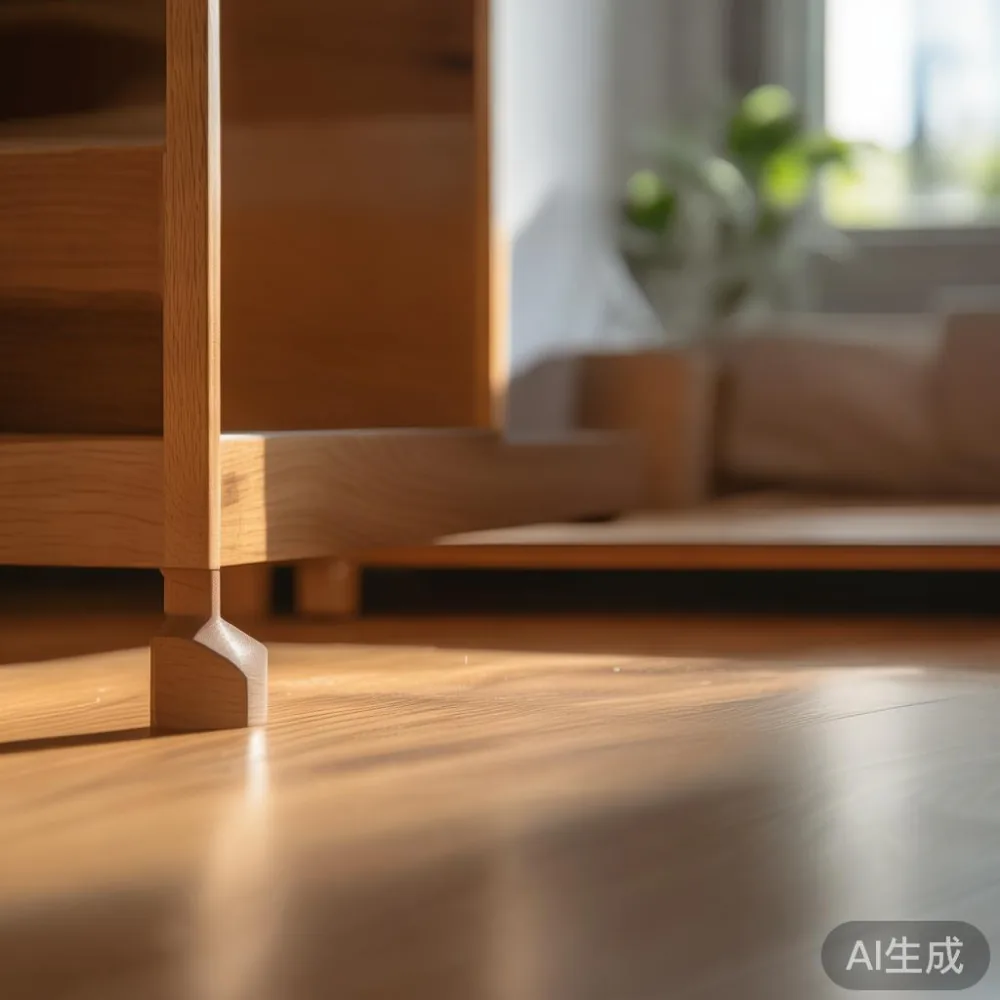
Why Does Humidity Affect Your Solid Wood Furniture?
Wood is a natural, hygroscopic material, meaning it absorbs and releases moisture from the air. Think of it like a sponge. In Singapore's humid climate, the air is saturated with water vapor. When this moisture is absorbed by the wood, its fibers expand. This process is most noticeable in wide, flat surfaces like a dining table top or the panels of a wardrobe. On the other hand, during the occasional drier periods or when you use air conditioning, the wood releases moisture and contracts. This constant cycle of expansion and contraction is the primary reason wood furniture can develop cracks, gaps, or a sticky, swollen feel if it's not acclimated properly.
For a first-time buyer, this might seem alarming. You've invested in a beautiful piece, and the last thing you want is for it to be damaged by the very air you breathe. The key is not to fight nature, but to work with it. Understanding the properties of the wood you've chosen is the first step. Solid wood, unlike engineered wood or laminate, is more susceptible to these changes, but its durability and character are unmatched when cared for correctly.
How to Acclimate Your New Furniture Before Bringing It Home
One of the most common mistakes a first-time buyer makes is placing a new solid wood bed frame or nightstand directly into a room with different humidity conditions than where it was stored. This sudden shock can cause immediate stress on the wood. The solution is a simple process called acclimation.
When your new furniture arrives, unbox it and place it in the room where it will live. Leave it in its original packaging if possible, as this helps it adjust gradually. Let it sit for at least 48 to 72 hours. This allows the wood to slowly adapt to the specific humidity and temperature of your home. For larger items like a dining table or wardrobe, this period might need to be extended to a full week. During this time, avoid placing the furniture near direct sources of heat or cooling, such as air-conditioning vents or windows with direct sunlight, as this can create microclimates and cause uneven drying.
Last month, I visited a colleague's new condo in Punggol. He had just received a large, solid wood dining table and was eager to use it for a dinner party that weekend. I advised him to wait at least five days before placing any heavy objects on it. He followed the advice, and the table settled perfectly without any signs of warping, proving that a little patience goes a long way.
Practical Daily and Weekly Maintenance Tips for Humid Singapore
Once your furniture is acclimated, ongoing maintenance is key to keeping it looking its best. The goal is to maintain a stable humidity level in your home and protect the wood's finish. Here are some practical tips you can implement immediately.
1. Use a Dehumidifier: While Singapore is humid, running an air-conditioner does dry the air. If you live in an older HDB flat or a room with poor ventilation, a small dehumidifier can be very effective. Running it for a few hours a day, especially in the bedroom where a solid wood bed frame is located, can help maintain a humidity level between 40% and 60%, which is ideal for wood furniture. A good quality dehumidifier for a bedroom (15-20 sqm) costs between SGD 250 and SGD 450.
2. Wipe Spills Immediately: High humidity can make wood more porous. A spilled glass of water or a drop of juice that sits on a surface for too long can be absorbed more quickly. Always keep a soft, dry cloth handy and wipe up any spills immediately. Avoid using harsh chemical cleaners or abrasive sponges, as they can strip the protective finish.
3. Dust Regularly: Dust can act like an abrasive and, combined with the moisture in the air, it can dull the finish of your furniture. Use a soft, lint-free cloth or a microfiber duster to wipe down your surfaces once or twice a week. For a marble table, use a pH-neutral stone cleaner to prevent etching from acidic substances.
4. Avoid Direct Sunlight: The intense Singaporean sun can fade the color of your wood and dry out the finish too quickly, leading to cracking. Use curtains or blinds to protect your furniture, especially a sofa placed near a window.
Is a French Bed vs Italian Light Luxury Bed More Resistant to Humidity?
This is a question many first-time buyers ask when exploring designer Italian light luxury furniture. The short answer is that the origin or style of the bed (French, Italian, etc.) is less important than the type of wood and the quality of its construction and finish. A well-made French bed and a well-made Italian light luxury bed can both perform well in Singapore's climate if they are crafted from stable hardwoods.
Look for furniture made from woods known for their stability, such as Teak, Oak, or Mahogany. These woods have a tighter grain and are naturally more resistant to the effects of humidity. The finish is equally critical. A high-quality, multi-layered lacquer or oil finish creates a protective barrier that shields the wood from moisture fluctuations. When considering a purchase, don't just admire the style; ask the seller about the wood species and the type of finish used. This information is far more relevant to the longevity of your piece than its design pedigree.
Choosing the Right Wood and Finish for Your Singapore Home
As a first-time buyer, you have the power to choose wisely. When selecting pieces like a solid wood sofa, bed frame, or wardrobe, prioritize material quality over style alone. For example, a Teak dining table might cost more upfront, but its natural resistance to moisture and decay makes it a smarter long-term investment for a humid climate.
When looking at for sale Japanese furniture, you'll often find pieces made from lighter woods like Ash or Maple. These are beautiful but can be more sensitive. Ensure they have a durable finish. Similarly, if you are searching for the best Modern light luxury wardrobe for 2026, check if it features solid wood construction or high-quality veneers over a stable MDF core. Veneers can be an excellent option as they use a thin slice of beautiful wood over a stable base, making them less prone to warping.
The way furniture is constructed also matters. Look for dovetail joints in drawers and mortise-and-tenon joints in frames. These traditional methods create stronger connections that can better withstand the movement caused by humidity. Cheaper, glued-and-nailed joints are more likely to fail over time.
Understanding the Midhill Warranty: What It Covers for Humidity-Related Issues
A reputable manufacturer understands the challenges of different climates. This is where a strong warranty provides peace of mind. When you purchase from a company like MIDHILL, established in 2008 with a history of exporting to 15+ countries, you benefit from their experience. Their 10-year structural warranty is a significant commitment. It covers defects in the wood's structure, which would include issues like severe warping or joint failure that are a direct result of poor craftsmanship.
However, it's important to understand that warranties typically do not cover issues caused by improper care or environmental extremes outside the home's normal conditions. For example, if you store a solid wood bed frame in a non-air-conditioned balcony where it's exposed to 95% humidity and direct rain, the warranty would not apply. The warranty is a proof of the quality of the product when it is used and maintained as intended. Always read the warranty terms carefully to know what is covered.
Practical Considerations for Delivery and Assembly in Your HDB Flat
Finally, let's talk about the logistics. You've found the perfect furniture, but how do you get it into your 4-room HDB flat in Bedok or your new condominium in Tampines? This is where practical planning comes in. Singapore's public housing has standard layouts, but doorways and lift widths can be a challenge.
Standard doorways in HDB flats are about 80 cm wide. A large wardrobe might be 60 cm deep but 90 cm wide, meaning you'll need to maneuver it carefully. Most furniture delivery services in Singapore are experienced with this. They will disassemble items if necessary. For example, a wardrobe might be delivered in two parts: the main cabinet and the hanging rails. Your responsibility as a first-time buyer is to measure your doorways, lift corridors, and the path to the final room. Note the width of your lift, which is typically 110 cm in newer HDB blocks and 90 cm in older ones. This will help you confirm if the item can be moved in one piece or if disassembly is required.
Also, factor in delivery times. Most local furniture deliveries take 7 to 14 business days after placing your order. For peace of mind, choose a retailer that offers free shipping for orders over SGD 350 and a clear 14-day return policy. This gives you a window to inspect the furniture upon arrival and ensure it meets your expectations before committing to the purchase. If you have questions about how to choose a European bed or any other piece, don't hesitate to contact the seller directly via email at midhillco@gmail.com for detailed answers.
How to Choose the Best Vintage Sofa for 2026 in a Humid Climate
The trend towards vintage and post-modern light luxury furniture is strong. A best Vintage sofa for 2026 might feature rich, deep colors and unique textures that can add character to any home. But how do you ensure a vintage piece will hold up in Singapore's humidity?
First, inspect the sofa's frame. A high-quality vintage sofa will have a solid wood frame, often made from oak or beech. Tap on the arms and back to see if it sounds solid. A hollow sound might indicate a cheaper frame. Next, check the upholstery. Natural fabrics like linen or cotton can breathe but may absorb moisture more easily. Consider treated fabrics or leather, which are more moisture-resistant. Leather, in particular, develops a beautiful patina over time and is very durable in humid conditions.
When purchasing a vintage piece, ask about its history. Has it been in a climate-controlled environment? A seller who understands the local market will be able to provide this information. For a first-time buyer, buying from a reputable source ensures that the piece has been properly restored and is ready for Singapore's environment. This careful selection process ensures that your vintage sofa remains a centerpiece of your home for years to come, not just a fleeting trend.
Final Thoughts for the First-Time Buyer
Owning solid wood furniture in Singapore is a rewarding experience. The warmth, character, and durability that natural wood brings to a space are unmatched. By understanding the relationship between wood and humidity, you can avoid common pitfalls and ensure your investment lasts a lifetime. From the careful acclimation of your new dining table to the weekly dusting of your nightstand, these small habits will preserve the beauty of your furniture for decades to come.
As you furnish your first home, remember that the choices you make reflect your personal style. Whether you prefer the clean lines of a post-modern light luxury sofa or the classic elegance of a French bed, the right piece will bring you joy. With the knowledge you've gained here, you can move forward with confidence, knowing how to protect your furniture and create a home that is both beautiful and built to last.