Veneer or Solid Wood? A 5-Year Cost Comparison for First-Time Buyers
For a first time buyer furnishing an HDB flat or a compact condo in Tampines, Bedok, or Punggol, the choice between veneer and solid wood is rarely just about the price tag. It is about what will happen to a dining table, bed frame, wardrobe, or sofa over 5 years of daily use.
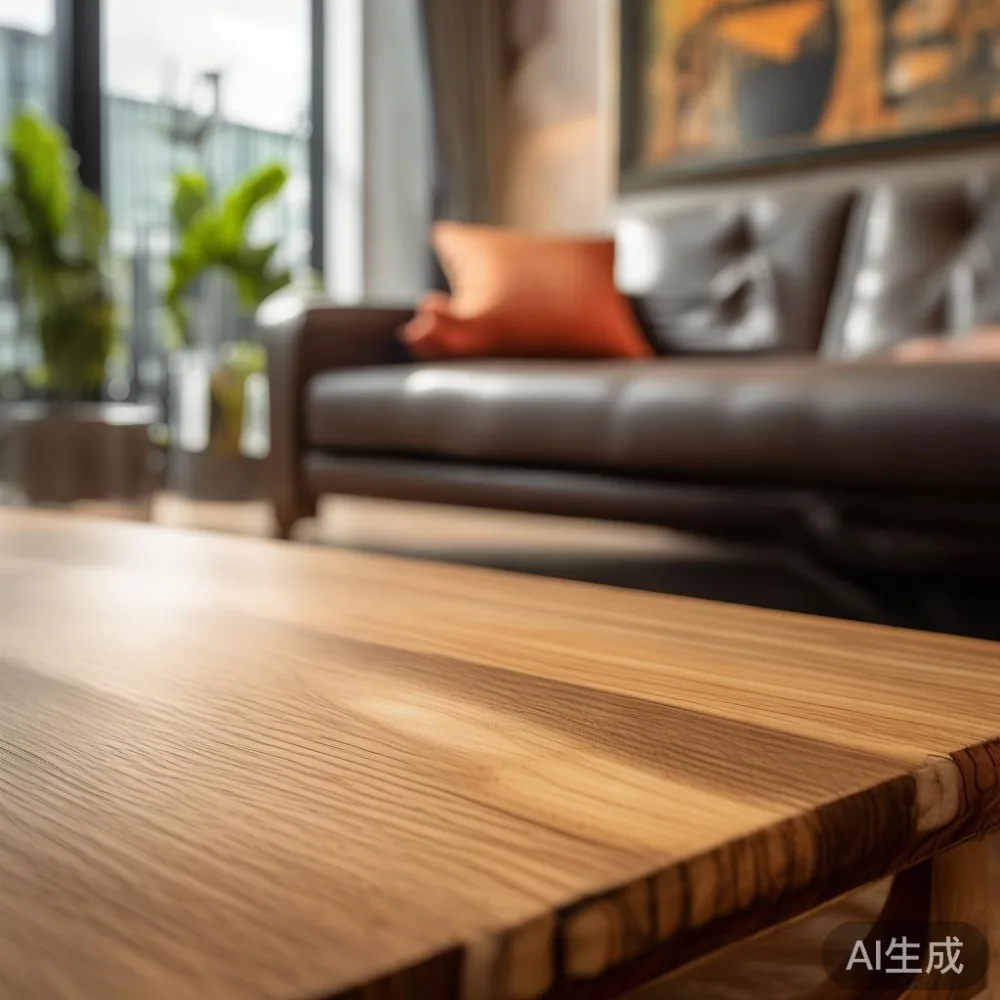
Singapore’s humidity, strong sun, lift dimensions, narrow corridors, and the 9% GST make this a practical decision. A cheaper veneer dining table may suit a new apartment, while a solid wood dining table may make more sense for a home expected to remain for a decade or more. The right comparison includes purchase price, delivery, maintenance, repair risk, resale value, and what happens when one component fails.
This guide uses indicative Singapore prices to compare the two material approaches over a 5-year ownership period. Figures are estimates rather than quotations. For project advice or a product sample, you can contact MIDHILL at midhillco@gmail.com.
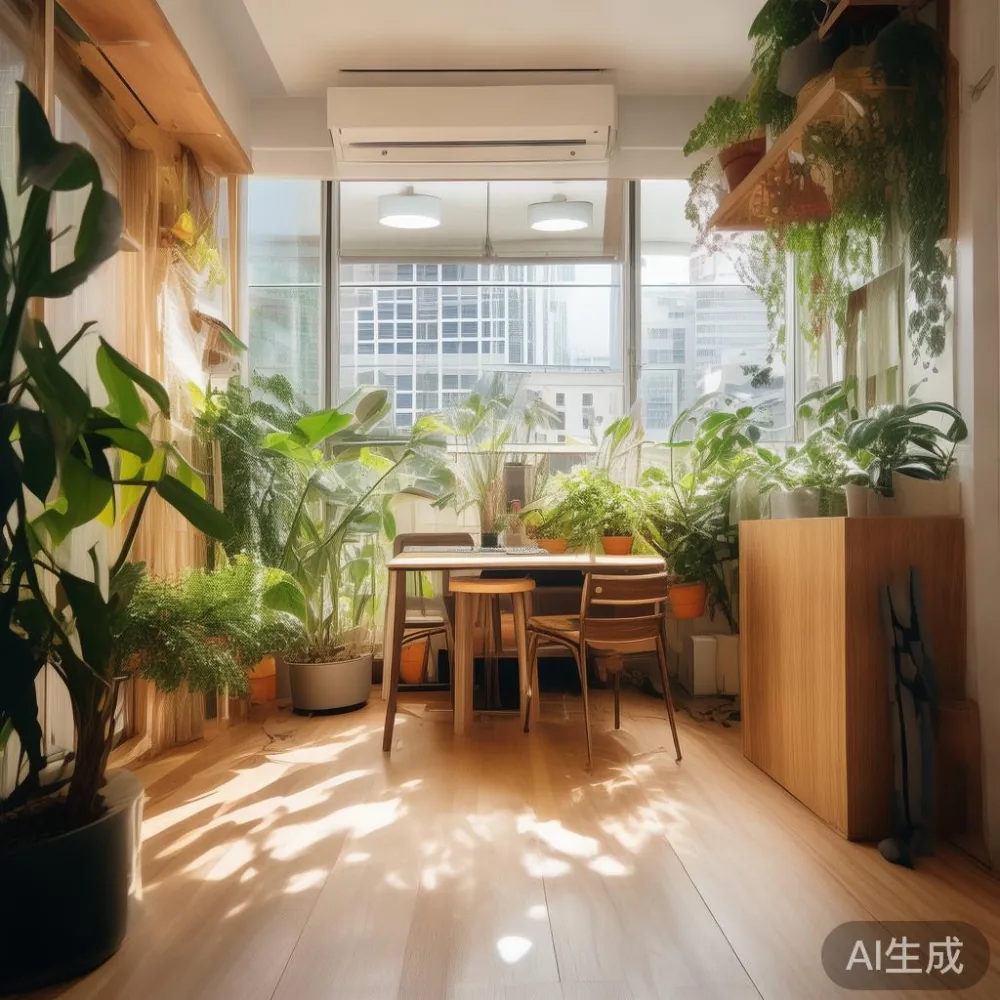
What is the real difference between veneer and solid wood?
Veneer furniture uses a thin layer of timber—often about 0.6 mm to 1.2 mm—bonded to a lower-cost core such as engineered wood, particleboard, or plywood. The visible face can be oak, walnut, teak, or another attractive species. Solid wood furniture uses timber throughout the structural sections, although a wardrobe may combine solid timber frames with engineered panels for doors and internal parts.
That difference matters because a 2.2 cm solid wood dining table top has more material to repair than a 1.8 cm veneered top. A veneer face can chip, peel, or fade, and a water ring may become permanent if moisture reaches the core. Solid wood can scratch, split, or warp too, but localised damage can often be sanded and refinished without replacing the entire board.
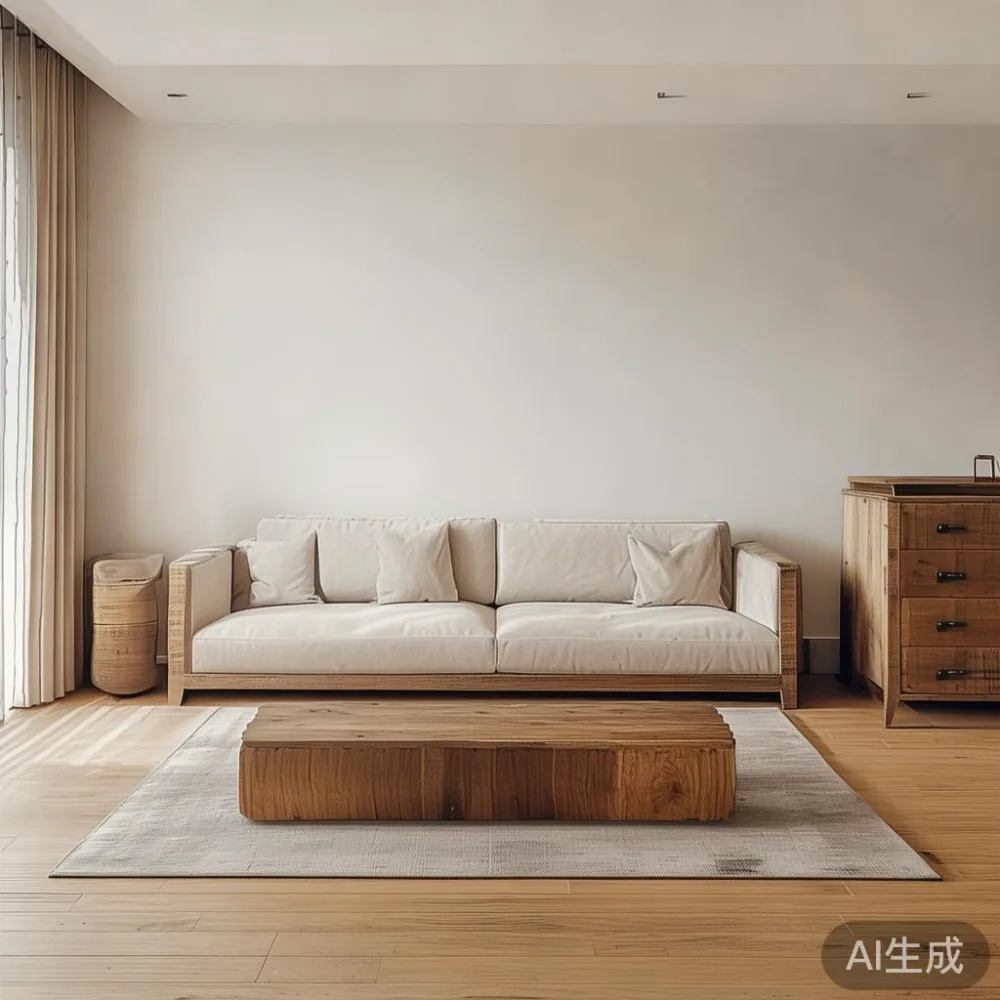
For a first time buyer, neither material is automatically the better choice. Consider who will use the piece, whether children or pets are likely to cause spills, whether the home is air-conditioned throughout, and how long you plan to stay. Those variables affect the likely 5-year cost more than the label on the sales page.
How much do veneer and solid wood furniture cost in Singapore?
Before GST, a practical mid-range veneer dining table with four to six seats may cost SGD 700 to SGD 1,600. A comparable solid wood dining table may cost SGD 1,300 to SGD 3,200. For a king-size solid wood bed frame with a slatted base, expect roughly SGD 1,500 to SGD 3,500; a similarly styled veneer or mixed-material frame may be SGD 900 to SGD 2,000.
A three-door wardrobe in engineered board with wood veneer may be about SGD 1,400 to SGD 2,900. A solid wood wardrobe can range from SGD 3,000 to SGD 8,000, depending on timber, internal fittings, and whether the doors are framed panels. A marble table can add SGD 1,500 to SGD 7,000, so its surface cost is separate from the cabinet material question.
Nightstands usually cost around SGD 180 to SGD 450 in veneer and SGD 350 to SGD 900 in solid wood. A three-seat solid wood sofa may begin near SGD 3,200 and reach SGD 7,500, while a comparable veneer sofa may be SGD 2,200 to SGD 4,800. A polished marble coffee table may add SGD 1,200 to SGD 4,000 to either package.
Add 9% GST to displayed prices that do not already include it. Singapore delivery is often SGD 50 to SGD 180 within an HDB estate, while a scheduled two-person delivery to a condo can cost SGD 120 to SGD 350. If a lift opening is only 90 cm wide, the delivery crew may need to remove doors or use a hoisting service, potentially adding SGD 200 to SGD 600. Measure the corridor, turning radius, stairwell, lift car, and lift door before ordering a long bed frame or large wardrobe.
What might a 5-year cost comparison look like for a dining table?
Assume a first-time buyer chooses a six-seat dining table and replaces it only after 5 years. In the first scenario, a veneer dining table costs SGD 1,200 before GST. The estimated purchase cost becomes SGD 1,308 with GST. Add SGD 120 for delivery and assembly, plus SGD 250 over five years for coasters, cleaning products, one veneer repair, and an occasional refinishing service. Total estimated 5-year cost: SGD 1,678.
The solid wood dining table costs SGD 2,400 before GST, or SGD 2,616 with GST. Add SGD 120 for delivery and assembly. Budget SGD 150 over five years for oiling, stain correction, and one small repair. Total estimated 5-year cost: SGD 2,886.
The solid wood table costs about SGD 1,208 more across five years in this example. That is SGD 241.60 per year. However, if the veneer table suffers edge peeling after a hot-water spill and needs a full top replacement costing SGD 650, the veneer total rises to SGD 2,328, narrowing the gap to SGD 558.
At resale, the calculation changes. If the solid wood dining table can be resold for SGD 1,100 and the veneer table for SGD 450, the net 5-year costs become SGD 1,786 and SGD 1,828. The solid wood option is then marginally ahead despite its higher purchase price. These are planning assumptions, not guaranteed resale returns, but they show why a buyer should compare retained value rather than purchase price alone.
Is Italian light luxury wardrobe worth it?
A useful version of the question “is Italian light luxury wardrobe worth it” also asks whether “Italian” describes the furniture’s design, its manufacture, or merely its visual influence. An imported wardrobe may cost SGD 5,500 to SGD 14,000 before GST, while a locally manufactured solid wood wardrobe with a similar post-modern light luxury profile may cost SGD 3,200 to SGD 7,500.
For an HDB bedroom, consider the internal dimensions. A wardrobe with a depth of 58 cm and width of 180 cm can fit against many condo bedroom walls, but leave 70 cm of circulation space if possible. Check that drawer fronts and hinged doors can open without touching a bed or opposite wall. A hinged wardrobe door may need 90 to 110 cm of clear space; sliding doors reduce the swing but use more front width.
A first time buyer should also ask how the carcass is made. “Solid wood wardrobe” can refer to the frame while the backing, drawer boxes, and doors are plywood or MDF. Ask for a section drawing and a written material schedule. Look for solid timber rails at least 2.5 cm thick, moisture content near 8% to 12% for Singapore use, and drawer runners rated for at least 30 kg.
Over five years, budget roughly SGD 300 to SGD 800 for hinge adjustment, runner servicing, and hardware on a mid-range wardrobe. A premium imported wardrobe may require more expensive replacement parts. Local service access can therefore affect the 5-year cost as much as the timber itself.
How do sofas age differently in a Singapore home?
Upholstery affects the comparison more than people expect. A veneer sofa with a solid wood or metal internal frame may deliver the same frame life as an all-solid-wood model. A solid wood sofa with high-density foam, removable covers, and replaceable cushions can cost less to maintain than a low-cost sofa wrapped in fixed leather.
For a living room measuring 3.6 m by 4.2 m, a sofa about 220 cm wide can leave 70 cm on either side of a 200 cm seating arrangement. In a narrower condo room of 3 m, a 180 to 200 cm sofa may create a better walking route. Always check the packed sofa dimensions, not only its finished width; deep packaging can exceed 240 cm and may not pass a condominium service corridor.
The comparison “Japanese sofa vs Japandi sofa” is helpful when you want a low, relaxed profile. A Japanese sofa usually prioritises compact proportions and floor-level comfort; a Japandi sofa blends Japanese restraint with Scandinavian function. Neither term tells you whether the frame is solid wood, plywood, or metal.
Another common comparison, “European light luxury sofa vs Mid-century modern sofa”, is mostly about shape rather than construction. European light luxury often uses softer curves and layered upholstery, while mid-century forms use tapered legs and cleaner lines. A French light luxury palette—ivory bouclé, pale oak, muted walnut, and brushed brass—can also work with a post-modern light luxury mix.
For a Singapore family, include fabric treatment against humidity and accidental spills. Over five years, allow about SGD 250 to SGD 700 for cleaning and small upholstery repairs, and SGD 400 to SGD 1,200 for cushion foam replacement if the original foam is low-density. A frame fitted with replaceable seat cushions may lower the eventual repair bill by 30% to 50%.
For a separate guest room, the comparison “American for guest room” may mean creating a bed-and-reading corner rather than matching a main bedroom. A solid wood bed frame measuring 120 cm wide is a practical queen size for one guest, while a 90 cm frame saves floor space. Add a nightstand around 45 cm wide, a wall lamp, and a small wardrobe no deeper than 50 cm. A rental property can justify lower upfront spending, while a long-term home may benefit from repairable furniture.
What should I include when budgeting for veneer and solid wood furniture?
Budget for more than the product. A six-seat dining table may need a rug allowance of SGD 300 to SGD 900, chair cushions around SGD 40 each, and delivery from SGD 80 to SGD 220. A queen bed frame may require a mattress of SGD 600 to SGD 2,500, a fabric headboard upgrade of SGD 200 to SGD 700, and assembly of SGD 80 to SGD 180.
For a three-piece living room, a sofa might use 80 to 140 kg depending on frame and fill, a coffee table 35 to 75 kg, and side tables 12 to 25 kg each. Ask for packaged weight and dimensions because lift limits often restrict items above 100 kg or pieces that cannot be angled through the door.
Maintenance is predictable if the supplier explains it. Solid oak may need oil every 6 to 12 months; walnut may need care every 12 months depending on finish. Veneer should be kept away from direct moisture and long-term sunlight. In east-facing Bedok or Punggol units, use curtains and rotate movable pieces. Singapore’s outdoor humidity can be around 70% to 85%, so maintain sensible indoor comfort rather than treating timber as immune to movement.
Compare warranties as financial protection. MIDHILL has operated since 2008, exports to more than 15 countries, and offers a 10-year structural warranty, lifetime refinishing, free shipping above US$350, and a 14-day return period. For international delivery, the US-dollar shipping threshold is useful, but the 5-year calculation must still include local GST, Singapore delivery, access charges, care products, and likely repairs.
Search terms such as “under 2000 Minimalist furniture” can help identify pieces below SGD 2,000, but check whether the quoted amount includes GST, delivery, and assembly. A SGD 1,800 table shown without GST may reach SGD 1,962 after tax, plus SGD 120 delivery and SGD 80 assembly.
Which option costs less over five years?
Veneer usually wins on the initial purchase price. Across a dining table, bed frame, wardrobe, nightstand, and sofa package, a mixed veneer collection might total SGD 7,000 before GST, while a comparable solid wood collection might total SGD 13,000. After 9% GST, these become approximately SGD 7,630 and SGD 14,170.
Suppose the veneer package needs SGD 900 in five-year repairs and the solid wood package needs SGD 450. Add SGD 500 in delivery and assembly to each. Total costs are SGD 9,030 for veneer and SGD 15,120 for solid wood. The solid wood package uses about SGD 6,090 more over five years, or SGD 1,218 per year.
Now consider replacement value. If the veneer collection retains SGD 2,800 and the solid wood collection retains SGD 5,700, net costs become SGD 6,230 and SGD 9,420. The gap falls to SGD 3,190, or SGD 638 per year. Those figures illustrate why resale potential can matter, although actual proceeds depend on condition, design, and buyer demand.
My colleague tested a veneered dining table and a solid oak table for 10 weeks last month in a humid Tampines unit. Both were wiped daily with a damp cloth and exposed to the same afternoon light. A small hot-water cup left a mark on the veneer that did not lift, while the oak surface could be spot-sanded and re-oiled. That experience was not a laboratory test, but it reinforced the practical value of a repairable solid timber face.
For a short stay or a rental, veneer can be a sensible way to control the starting budget. For a home likely to be occupied for at least 5 years, solid wood may offer stronger long-term value when the frame, surface, and hardware are repairable. The most important checks are construction quality, delivered access cost, maintenance, and the supplier’s after-sales support—not veneer or solid wood alone.