How Humidity in Southeast Asia Affects Wood Furniture: A First-Time Buyer's Guide
Moving into your first HDB flat in Tampines or a new condo in Punggol is one of those grown-up moments that arrives with a thick stack of renovation quotations, a renovation loan spreadsheet, and roughly forty browser tabs about 4-room layouts. Somewhere between choosing your floor tiles and arguing about kitchen backsplashes, you also have to decide what furniture to put in the rooms. If you are a first-time buyer in Singapore, the price tags on solid wood pieces can feel intimidating next to the flat-pack alternatives, so you want to be sure the wood you bring home will survive the local climate.
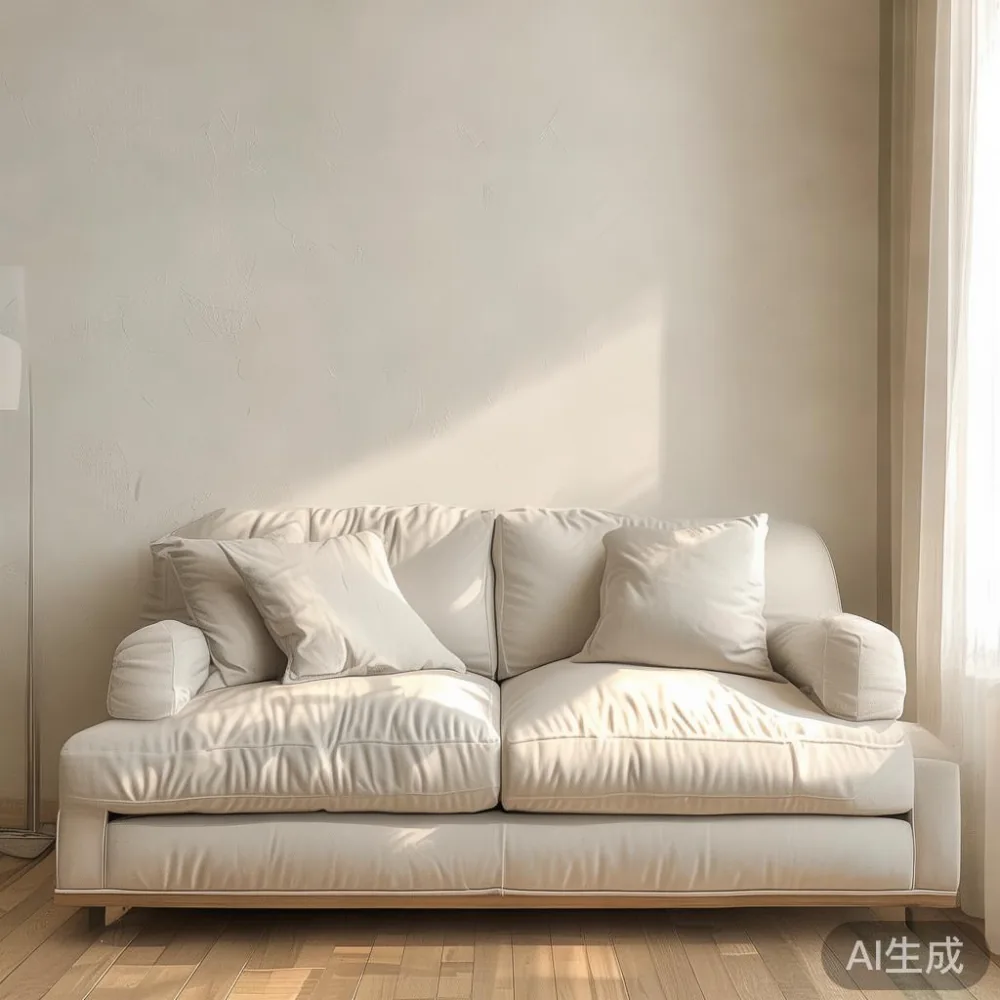
Singapore sits just one degree north of the equator, and our relative humidity routinely sits between 70 and 85 percent year-round. In an air-conditioned bedroom it might drop to 55 percent, but your corridor, lift lobby, and balcony experience the full tropical load. The same is true across Kuala Lumpur, Jakarta, Bangkok, and Ho Chi Minh City. If you are reading this from any of those cities, the physics are the same.
Why does Singapore's humidity warp, crack, or swell solid wood?
Wood is hygroscopic. It absorbs and releases moisture until it reaches equilibrium with the surrounding air, and the cells of a solid wood dining table, bed frame, or wardrobe literally grow and shrink as humidity rises and falls. In our region, that constant high-moisture environment pushes wood to swell along its width, and any sudden drop in humidity (such as a dry spell or heavy afternoon air-conditioning) can cause it to shrink and crack. Over twelve months in a HDB flat, a poorly dried dining top can cup by 2 to 4 mm and develop 1 mm checks along the grain. That sounds small until it shows up as a wobbly chair or a tabletop that rocks on its base.
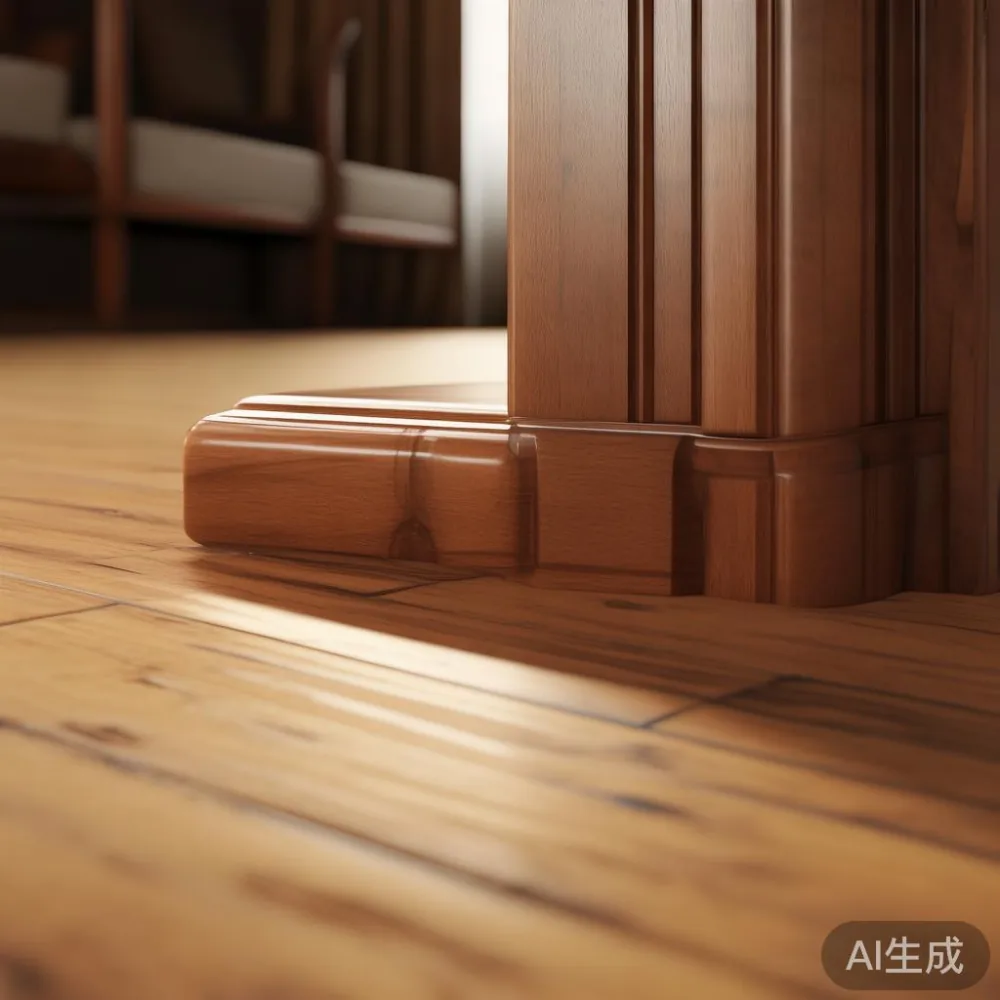
Reputable Foshan factories have been working with Southeast Asian buyers for more than a decade. MIDHILL, for example, was set up in 2008 and now ships to more than fifteen countries, including Singapore, Malaysia, and Indonesia. Their production line kiln-dries solid oak, ash, and walnut to a moisture content of 8 to 12 percent before assembly, which is the right band for an air-conditioned HDB bedroom. That step alone removes the most volatile internal stress from the timber.
What is the best shoe cabinet for a small apartment?
For a small Singapore apartment, the best shoe cabinet is one built from kiln-dried solid wood or marine-grade plywood with a raised base, louvered or ventilated doors, and a width between 60 cm and 90 cm, so it fits the typical 1.0 m to 1.2 m recessed entryway of a HDB or condo without blocking the corridor swing. Humidity is the enemy of closed shoe cabinets because trapped moisture breeds mould and warps thin panels, so ventilation, raised legs, and moisture-stable construction matter more than the number of shelves.
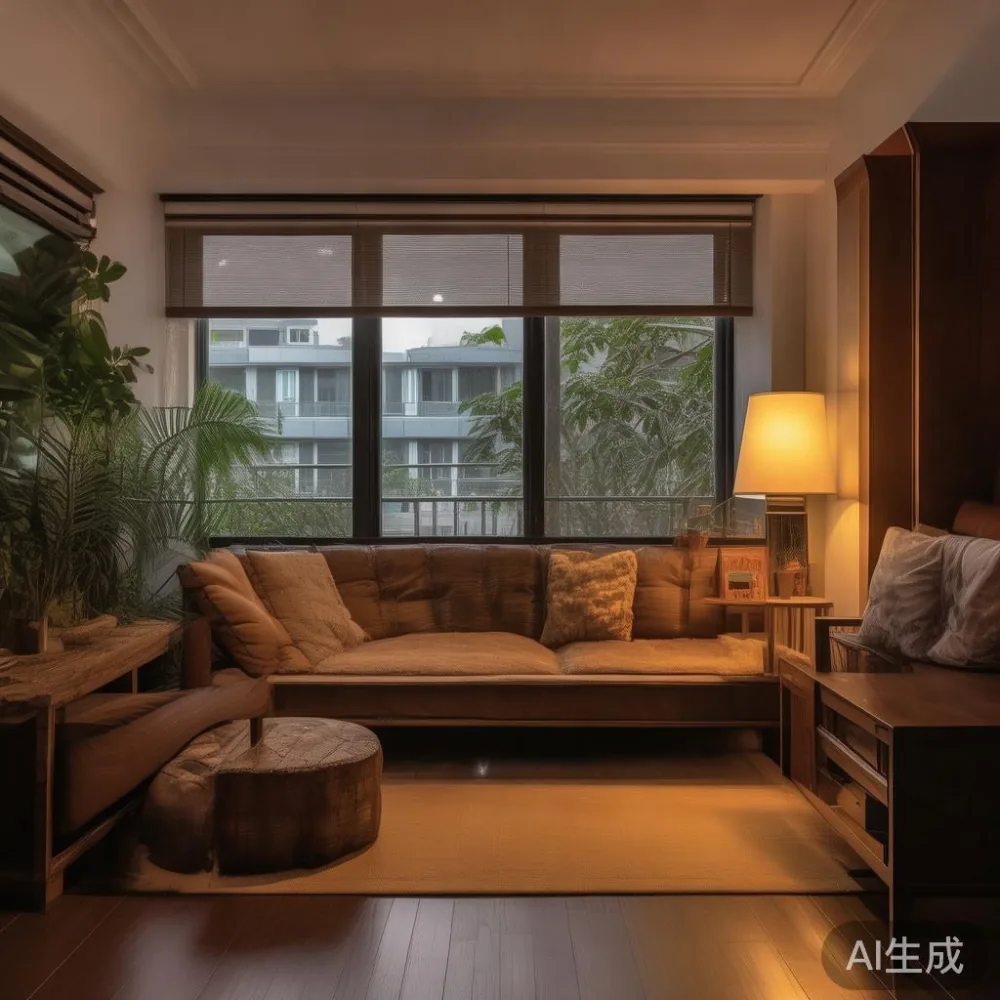
Most 4-room HDB entry niches in Bedok and Tampines measure between 90 cm and 110 cm wide and around 35 cm deep, which is why a 70 cm to 80 cm cabinet with two doors and three internal tiers works well for two working adults. Look for a cabinet that lifts 5 cm off the floor on solid wood legs so mopping water does not wick up into the end grain, and for louvered doors that let the cabinet breathe between our usual 80 percent mornings and 60 percent air-conditioned evenings. A solid wood nightstand with the same construction logic will behave identically next to your bed.
How do I keep a marble table and a solid wood sofa safe in a HDB flat?
Last month I visited a friend's new 5-room flat in Punggol to help her unbox a marble table and a solid wood sofa she had bought from a local reseller. The sofa frame was labelled "solid wood" on the listing, but once we flipped the base cushions we found oriented strand board wrapped in a thin oak veneer. Within four weeks the side panels had bowed 3 mm outward because the inner boards had absorbed moisture from the living room. We had to call a carpenter to add a centre support rail, which cost another S$180 on top of the original S$2,400 price tag.
That experience reinforced a simple rule. Ask the seller, in writing, which parts of the piece are solid timber and which parts are engineered. A genuine solid wood sofa from a Foshan light luxury line will use solid oak or ash for the frame, arms, and legs, with kiln-dried moisture content of 8 to 12 percent, and will weigh 35 kg to 55 kg for a three-seater. Lift one corner in the showroom if you can. If it feels light enough for one person to swing around, the inner structure is probably not solid.
Which wood species handle Singapore humidity best?
Oak, ash, teak, and walnut all perform well in our climate when they are properly dried and finished. White oak has tight grain and natural tyloses that resist moisture migration, which is why it is the standard choice for French light luxury dining tables in the S$2,800 to S$4,500 range. Ash is slightly cheaper and very elastic, which means a small amount of seasonal movement without cracking. Teak is the traditional choice for outdoor balcony pieces because its natural oils repel water, although indoor teak bed frames now come in a lighter Scandinavian finish that suits HDB master bedrooms.
Walnut is denser and more dimensionally stable than rubberwood, which is the cheap tropical hardwood often used in flat-pack furniture. Avoid MDF and particleboard for any structural component in a wardrobe or bed frame that sits against an exterior wall, because those boards swell irreversibly once they absorb moisture past their threshold. If you want the warm walnut look on a tighter budget, ask for a solid wood walnut veneer over a marine plywood core, which keeps the visible surface genuine timber while the plywood underneath resists movement.
What should a first-time buyer in Singapore check before paying for imported solid wood furniture?
As a first-time buyer, you are paying S$2,000 to S$6,000 for a dining set, wardrobe, or bed frame, so a fifteen-minute quality check before you transfer the deposit protects that money. Run through this list:
1. Kiln-dried certification. Ask the supplier for the moisture content reading at the time of packing. Anything between 8 and 12 percent is acceptable for Singapore. Anything above 15 percent is a red flag.
2. Solid wood confirmation. Ask which components are solid and which are engineered. Legs, frames, tops, and rails should all be solid. Drawer bottoms and back panels can be plywood.
3. Finish type. A multi-layer conversion varnish or a hardwax oil seals the wood against humidity swings. Lacquered finishes crack faster in our climate.
4. Joinery. Mortise-and-tenon, dowel, and dovetail joints hold better than staples or glue alone in a high-humidity environment. Lift the piece. A solid wood dining table that seats six should weigh between 45 kg and 70 kg.
5. Warranty and after-sales. MIDHILL offers a ten-year structural warranty and lifetime refinishing on its light luxury collections, which means you can ship the piece back to the workshop for a fresh sanding and oiling after eight to ten years of use. Free shipping over US$350 and fourteen-day returns give you a buffer to inspect the furniture on arrival.
6. Delivery logistics. A standard HDB lift measures about 1.1 m wide by 1.4 m deep by 2.1 m tall, and a 3-seater sofa box around 2.2 m long will not fit standing up. Plan to deliver unassembled, or choose a modular sofa whose boxes are under 1.0 m on every side. Foshan factories that ship to Singapore regularly use boxes under 75 kg so two delivery men can carry them into the lift without a tail-lift truck.
How should I acclimatise new furniture once it reaches my flat?
Even kiln-dried wood benefits from a short acclimatisation period once it lands in a Singapore home. Leave the pieces in their boxes for 24 to 48 hours in the room where they will live, so the timber adjusts to the local microclimate. Crack the boxes open for another 12 hours before assembly. If you run the air-conditioner at 23 degrees and 55 percent relative humidity, you are giving the wood a stable target environment that matches what the factory kiln used.
Keep solid wood furniture 15 cm to 30 cm away from exterior walls in HDB flats, because condensation can form on those walls during the monsoon months from November to January. Use felt pads under legs to prevent moisture wicking from concrete or tile floors. Wipe spills within ten minutes. Re-oil waxed surfaces once every twelve months. These habits cost nothing and add years to the life of a wardrobe or dining table.
Are French light luxury and American light luxury styles different in how they handle humidity?
Both styles use solid hardwood, but they diverge in silhouette and finishing. French light luxury leans toward curved cabriole legs, soft linen upholstery, and a chalky painted finish on oak. American light luxury uses straighter Shaker lines, heavier tops, and a clearer oil finish that shows the grain. From a humidity standpoint, the oiled American approach ages more gracefully in Singapore because any small surface movement can be sanded and re-oiled in place. Painted French finishes show checking more easily and benefit from a dehumidifier running at 55 percent in the dining room during wet months.
Post-modern light luxury is the third style you will see from Foshan factories, and it combines slim metal accents with thick solid oak tops in warm honey or walnut tones. That style has become popular in Punggol and Sengkang condos because the lighter colour palette hides the faint dust film that humidity tends to leave on dark furniture. Whichever direction you choose, the underlying rule is the same: kiln-dried solid hardwood, sealed joins, and a stable 50 to 60 percent indoor humidity.
What about pets, children, and everyday wear in a HDB household?
Singapore homes are usually smaller than 100 square metres, which means every piece of furniture lives close to a window, a door, and a family member. If you have a dog or cat, the same moisture rules apply, plus one more: choose a hardwax-oiled grey oak pet furniture piece for high-traffic zones, because the open-pore finish lets you buff out claw marks with a light sanding and a fresh coat of oil rather than replacing the entire panel. Light luxury solid oak frames tolerate claw marks far better than veneered MDF.
For families with toddlers, round off the corners of dining tables and nightstands, anchor wardrobes to the wall with the included L-brackets, and avoid glass tops on coffee tables next to the play area. The structural warranty from MIDHILL covers ten years of normal family use, and the lifetime refinishing service means a coffee table ring or a chewed corner can be restored without sending the whole piece to the dump.
What is a realistic budget for solid wood furniture as a first-time buyer in Singapore?
For a typical 4-room HDB or 2-bedroom condo, a starter solid wood set runs as follows:
- Solid wood dining table (1.4 m to 1.6 m, seats four to six): S$1,800 to S$3,200.
- Four to six solid wood dining chairs: S$120 to S$280 each.
- Queen-size solid wood bed frame: S$1,600 to S$2,800.
- Two solid wood nightstands: S$350 to S$550 each.
- 2-door solid wood wardrobe (1.8 m tall): S$2,200 to S$3,800.
- 3-seater solid wood sofa with linen cushions: S$3,200 to S$5,500.
- Marble table or marble-top coffee table: S$1,400 to S$2,600.
- Shoe cabinet, 70 cm to 80 cm wide: S$650 to S$1,100.
Total for a complete set: roughly S$13,000 to S$22,000, which is higher than a flat-pack set but lower than custom carpentry from a local ID. Shipping from Foshan to Singapore takes 18 to 28 days by sea and 7 to 10 days by air, and most suppliers include free shipping above US$350, which is about S$470. Factor in 9 percent GST on the CIF value and you have a clear budget picture before you sign.
How long should a quality solid wood set last in our climate?
With proper acclimatisation, indoor humidity control, and annual oiling, a kiln-dried solid wood dining table, bed frame, or wardrobe from a light luxury Foshan line will last 15 to 25 years in Singapore. The first refinishing usually happens around year ten, when the surface starts to look dry under the air-conditioner. The second major refinishing can extend the life to 35 years. Compare that with five to seven years for a flat-pack MDF piece, and the long-term value of solid wood becomes obvious for any first-time buyer planning to stay in the same flat through their first BTO milestone.
The takeaway is simple. Humidity in Southeast Asia is real, but it is not a death sentence for solid wood furniture. Choose kiln-dried hardwood from a supplier that kiln-dries to 8 to 12 percent, seals the joins, and offers a real warranty. Acclimatise the pieces when they arrive, keep them away from exterior walls, and oil them once a year. Your dining table will still be the centre of your home when your first child starts primary school, and your wardrobe will outlast two renovations without a creak.