Veneer vs Solid Wood: A Practical 5-Year Cost Comparison for Singapore Homes
Choosing furniture as a first time buyer in Singapore often comes down to two labels: veneer and solid wood. The decision affects the cheque you write today, the floor space you need, the weight your lift can carry, and the repairs you may need in years 3 through 5. For residents of Tampines, Bedok, and Punggol, those practical details matter as much as appearance.
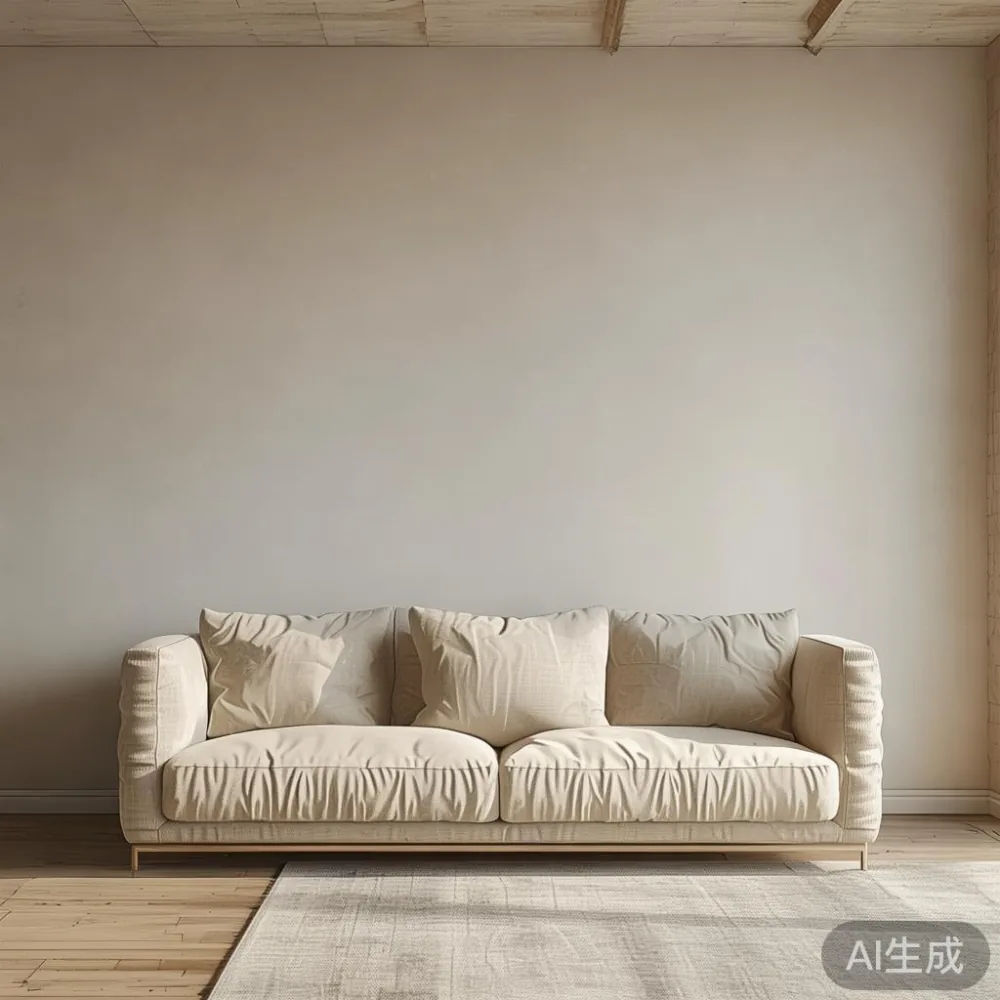
This comparison uses indicative Singapore prices in SGD, including GST where relevant, and follows one dining table, one bed frame, one wardrobe, one nightstand, and one solid wood sofa through a 5-year ownership period. The aim is not to declare one material suitable for every home. It is to show what each option is likely to cost a first time buyer, including maintenance, replacement parts, delivery constraints, and the risk of an unsuitable purchase.
What is the real difference between veneer and solid wood?
Veneer furniture uses a thin layer of real timber, usually about 0.6 mm to 1.2 mm, bonded to engineered board or another core. Solid wood furniture uses timber throughout the visible structural panels. Veneer is not automatically inferior: a well-made veneered wardrobe can provide flat doors, repeatable colour, and lower weight. Solid wood is not automatically perfect either: poor moisture control can still cause movement or cracking.
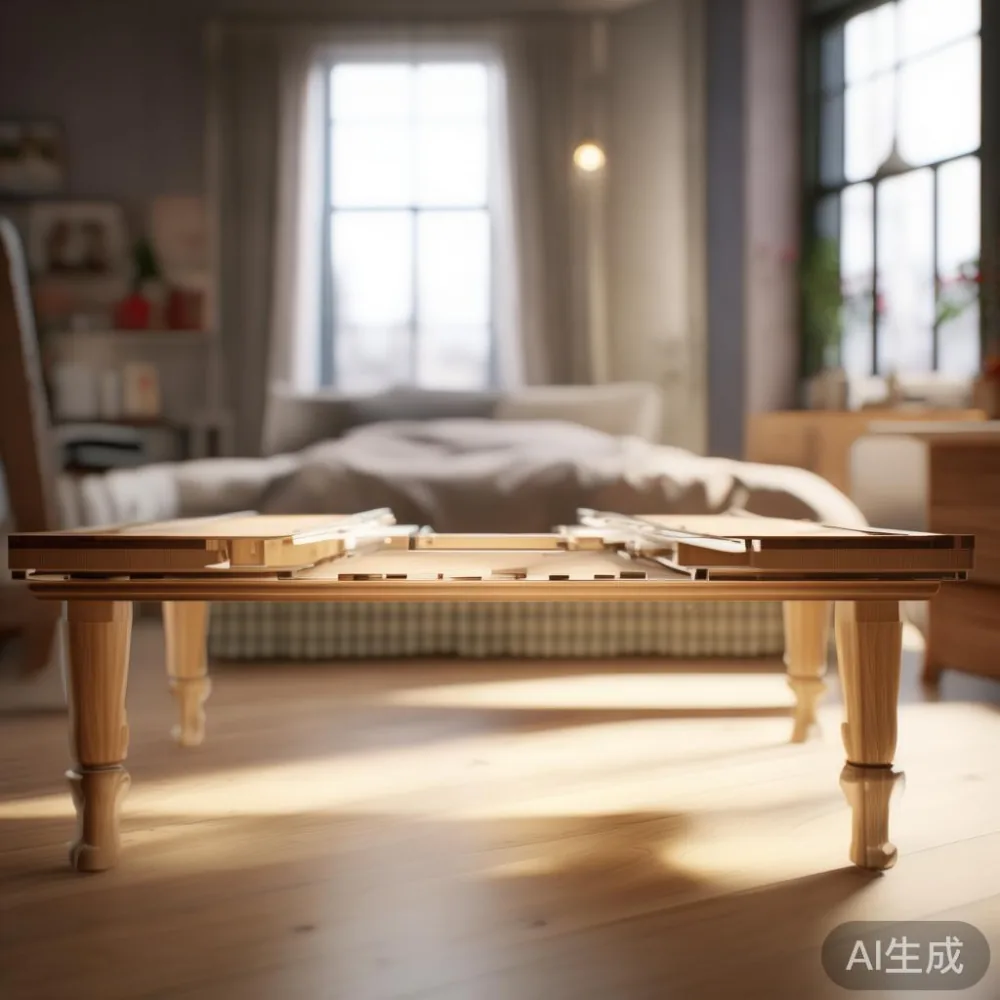
The key distinction for a first time buyer is where quality sits. In a solid wood bed frame, the side rails, slats, and headboard may be timber. In a veneered bed frame, the outer panels may show grain while internal parts use plywood, engineered timber, metal supports, or a mixture. Ask for the material by component rather than accepting a broad “wooden” description.
Local conditions shape the comparison. Singapore’s humidity commonly ranges from about 65% to 85% across the year, while air-conditioned HDB rooms may sit near 50%. Stable indoor conditions help both choices. Furniture placed against an exterior wall, near a bathroom, or beside a frequently opened balcony door should be checked more often for swelling, mould, or surface movement.
Size is equally practical. A standard HDB lift interior is often only about 90 cm wide and 130 cm deep, although building-specific measurements vary. A dining table assembled with legs may fit; the same table delivered as one rigid slab may not. A corridor turning radius can also rule out a bulky wardrobe even if it fits inside the unit.
How much do veneer and solid wood furniture cost in Singapore?
For a first comparison, consider these indicative prices for ordinary Singapore-market furniture. They are planning ranges rather than permanent quotations, and a showroom sale can change the final figure.
- A 140 cm two-door wardrobe in oak-effect veneer may cost SGD 700 before GST, while a comparable solid oak or solid ash model may cost SGD 1,400 before GST.
- A 160 cm queen bed frame in veneer may cost SGD 800 before GST, while a solid wood version may cost SGD 1,300 before GST.
- A 180 cm dining table in veneer may cost SGD 900 before GST, while a solid wood table may cost SGD 1,700 before GST.
- A 45 cm nightstand in veneer may cost SGD 180 before GST, while a solid wood model may cost SGD 280 before GST.
- A 3-seat solid wood sofa may cost SGD 3,200 before GST, while a comparable structured sofa with engineered framing and selected solid timber components may cost SGD 2,600 before GST.
At Singapore’s prevailing GST rate of 9%, a SGD 1,700 solid wood dining table becomes about SGD 1,853 before delivery. A SGD 900 veneered table becomes about SGD 981. The initial gap is therefore around SGD 872 for this example, or roughly 47% of the lower base price.
Delivery to an HDB flat may add about SGD 50 to SGD 120. A Punggol or Tampines unit with a direct trolley route can be simpler, while a Bedok block with a narrow corridor or lift restriction may add about SGD 80 to SGD 200 for a larger wardrobe. MIDHILL offers delivery terms that should be confirmed for the specific building, access route, and product dimensions.
Is veneer cheaper over a 5-year ownership period?
Yes, in the common scenario of a careful owner who keeps furniture indoors and accepts minor cosmetic changes. The saving is not simply the purchase-price gap. It also reflects lower material weight, fewer repairs after accidental knocks, and a lower replacement cost if one component is damaged.
Use a simple 5-year cash-flow model. For the dining table, assume the solid wood option costs SGD 1,853 after GST and delivery, while veneer costs SGD 981. Add a 3-hour protective maintenance session in year 2 and another in year 4. Allow SGD 60 for care products across the period. Allow SGD 150 for veneer if an edge or small surface area needs repair, and SGD 250 for solid wood if a local component becomes loose or needs refinishing.
The approximate totals are SGD 1,169 for veneer and SGD 2,163 for solid wood, producing a 5-year difference of SGD 994. A wardrobe can show a similar pattern. A solid wood wardrobe at SGD 1,526 plus SGD 120 delivery and SGD 250 in maintenance totals SGD 1,896. Veneer at SGD 763 plus SGD 120 delivery and SGD 150 in repairs totals SGD 1,033, a difference of SGD 863.
These figures are not guarantees. A poorly made solid wood product can cost more after one failed joint, while a low-grade veneer panel can delaminate if exposed to moisture. The model assumes indoor use, sensible cleaning, and repair by a competent local carpenter where possible.
Can solid wood justify its higher price if you keep furniture for 10 years?
Often, yes, but the resale claim should be treated carefully. Solid timber may support more repair options: sanding a marked tabletop, replacing a bed slat, or refinishing a nightstand. Veneer cannot usually be deeply sanded without exposing its substrate. If the aim is to pass a nearly new dining table to a family member after 10 years, a repairable solid wood table may preserve value better than a thin decorative veneer.
That benefit matters less in a compact HDB flat where the next owner may replace the whole item for a smaller layout. A solid wood sofa can also remain useful for many years, provided its frame, springs, and upholstery are sound. A solid wood dining table or bed frame is easier to maintain in sections than a fully upholstered, non-separable piece.
For a first time buyer, the 5-year decision is usually about affordability and fit, while the 10-year decision is about repairability and changing household needs. A family expecting to move twice may value the lighter, less expensive option. A couple keeping the same Tampines condo for a decade may prefer a solid wood table that can be restored locally.
Weight is another factor. A 180 cm veneered dining table may weigh 42 kg, while a comparable solid wood table may weigh 58 kg. A solid wood bed frame may weigh 72 kg against 54 kg for veneer. One person may struggle with a 58 kg table; two-person delivery is safer and may add SGD 40 to SGD 80.
Which material is easier to live with in HDB flats and condos?
For frequent HDB moves, veneer often makes more sense because lighter pieces are easier for the removal crew to carry through corridors and stairs. In a condo, elevator dimensions and building rules can matter more than the floor type. Confirm the lift door opening, internal depth, and turning space before ordering a wardrobe. A 180 cm solid wood wardrobe body may be too wide for a 90 cm lift even when its individual panels are manageable.
For a first time buyer in Punggol or Bedok, modular storage should be tested against the actual bedroom wall. An external wall may require an extra 3 cm for skirting and ventilation clearance. A 180 cm wardrobe positioned in a 3.6 m room can feel crowded, whereas a 150 cm unit may leave a useful 60 cm beside the bed. Buying a materially correct piece that fits beats buying a heavier material in a size that makes daily use awkward.
Surface care differs. Veneer should be wiped with a slightly damp cloth and dried promptly. Solid wood can be wiped similarly, but scratches can be treated with a matching wax or oil if the finish allows. Avoid silicone-based polish on either material unless the supplier confirms compatibility. Keep at least 30 cm from a window air-conditioner outlet and use coasters with a 2 cm overhang around drinks.
For inspiration, a Japanese-style room may lead a shopper to compare the best Japanese sofa for 2026 with lighter, straight-lined silhouettes. A shopper considering French provincial details may look at the best French provincial sofa for 2026, where curved arms and shaped timber details create a different visual language. The material decision should follow the room’s proportions, not merely the style name.
What maintenance costs should you plan over 5 years?
Plan for predictable maintenance rather than treating furniture as maintenance-free. For solid wood, move dining chairs with felt pads, check the bed frame every 6 months, and tighten bolts where needed. Wipe surfaces monthly and inspect for splits every 6 months. Apply a suitable refresh treatment every 12 to 24 months if the finish is oil or wax.
A practical 5-year solid wood maintenance budget for one dining table, bed frame, wardrobe, and nightstand is SGD 180 to SGD 350. Include about SGD 40 for dust sheets and felt pads, SGD 60 to SGD 120 for cleaning and care products, and SGD 80 to SGD 210 for local repairs or finish renewal. For veneer, a sensible budget is SGD 90 to SGD 220, reflecting more cautious cleaning and possible edge repairs.
Warmer bathroom conditions create a different cost pattern. Keep a solid wood nightstand at least 45 cm from a bathroom door if possible, and use a tray for cosmetics. A marble table may be preferred beside a dressing area, but it brings another set of considerations: marble tops often weigh 35 to 65 kg, can chip at exposed corners, and may require specialist work. They should not be confused with timber construction quality.
Buyers comparing Japanese bed vs French provincial bed often focus on shape, but the service plan matters too. Confirm whether replacement slats, screws, adjustable glides, and hardware are stocked for at least 10 years. Hardware availability can be worth more than a decorative feature that cannot be repaired.
Do light-luxury styles change the comparison?
They change design priorities, not the physics of wood movement. French light luxury uses pale upholstery, gentle curves, and slim visual details. American light luxury often pairs warm timber with generous cushions and clean profiles. Post-modern light luxury may combine wood, metal, and stone-like surfaces in measured contrast.
A Modern light luxury accent chair may use a solid timber frame, plywood seat shell, foam, and fabric upholstery. That construction can be durable and light, so “solid wood” on the label should not be treated as a description of every component. Likewise, European light luxury for office projects may use solid timber desktops with powder-coated metal legs to control weight and maintain a crisp silhouette.
For the solid wood sofa, request the frame timber, joint type, suspension system, and foam density. For the bed frame, identify the headboard, rails, slats, centre support, and finish. For the wardrobe, ask whether back panels, shelves, drawer boxes, and doors are solid timber or engineered board. For the nightstand, check drawer runners and the rear cable space. For the dining table, request the leaf construction, underside bracing, and movement allowance.
Good light luxury depends on controlled details: aligned gaps of about 3 mm, flush drawer fronts, stable doors, and a finish that does not look uneven. A veneered piece can achieve this. A solid wood piece can too, but only if its maker accounts for seasonal movement and local humidity.
What did I learn from inspecting a furniture purchase?
Last month I visited a colleague in Tampines who had ordered a full bedroom set. The bed looked identical to the showroom sample, but the delivered side rails were veneer while the slats and legs were solid timber. The supplier’s material sheet made that clear; the showroom label did not. After 14 months, one drawer runner in the nightstand had developed 2 mm of side play, and the manufacturer replaced it under warranty without damaging the finish.
That visit changed how I evaluate labels. I now ask for a component map and weigh the samples. A matching wardrobe was heavier by 11 kg than the veneer model, but its 180 cm body would not turn through the lift lobby. My colleague ultimately kept the lighter version, and the 5-year savings were practical rather than theoretical.
This experience also illustrates why a 10-year structural warranty can be useful, provided the seller explains which parts and defects it covers. MIDHILL includes a 10-year structural warranty on qualifying products and offers lifetime refinishing under its stated service terms. Those policies should be compared with the documentation, not assumed to cover every accidental mark.
How should a first time buyer make the final choice?
Choose veneer when the budget is limited, the piece will move, moisture exposure is possible, and appearance matters more than deep refinishing. Choose solid wood when the furniture will stay in one home, the piece will receive daily use, and you value repairability. Neither material removes the need to check dimensions, hardware, finish, and delivery access.
Before paying, measure the item at home, then measure the route: the front door, corridor turns, lift door, lift depth, and bedroom position. Record the delivery restriction in writing. For a large wardrobe, allow about 220 cm of assembly space on the floor and 5 cm above for packaging. For a dining table, check that a 75 cm chair can pull out without striking a wall.
Ask what happens if the wrong colour arrives. Singapore’s 14-day return policy can provide a safety net, but condition requirements, assembly fees, and return delivery charges should be reviewed. MIDHILL provides free shipping on orders over US$350 for eligible destinations, while Singapore delivery and GST should be confirmed separately at checkout.
For a balanced 5-year dining table comparison, a good veneer starting point is about SGD 1,169 including estimated care and repair, while a good solid wood starting point is about SGD 2,163. For the total room, expect veneer to remain less expensive unless damage or repair changes the pattern. Solid wood becomes more compelling when the owner values longevity, stable appearance, and the ability to maintain a French light luxury, American light luxury, or post-modern light luxury interior.
As a first time buyer, start with the room and the next 5 years. Choose the material that fits the budget, can enter the home, suits the climate, and can be maintained without distress. That is a more dependable path than treating “wood” as a single category.