Understand Humidity’s Impact on Solid Wood in Singapore Homes
Singapore’s warm, humid climate can change the dimensions, finish and long-term appearance of solid wood furniture. For a first time buyer in an HDB flat or condo around Tampines, Bedok or Punggol, humidity is not an abstract property of the weather: it affects the solid wood sofa beside the air-conditioned living room, the bed frame placed against a bedroom wall, and the dining table positioned near an open kitchen.
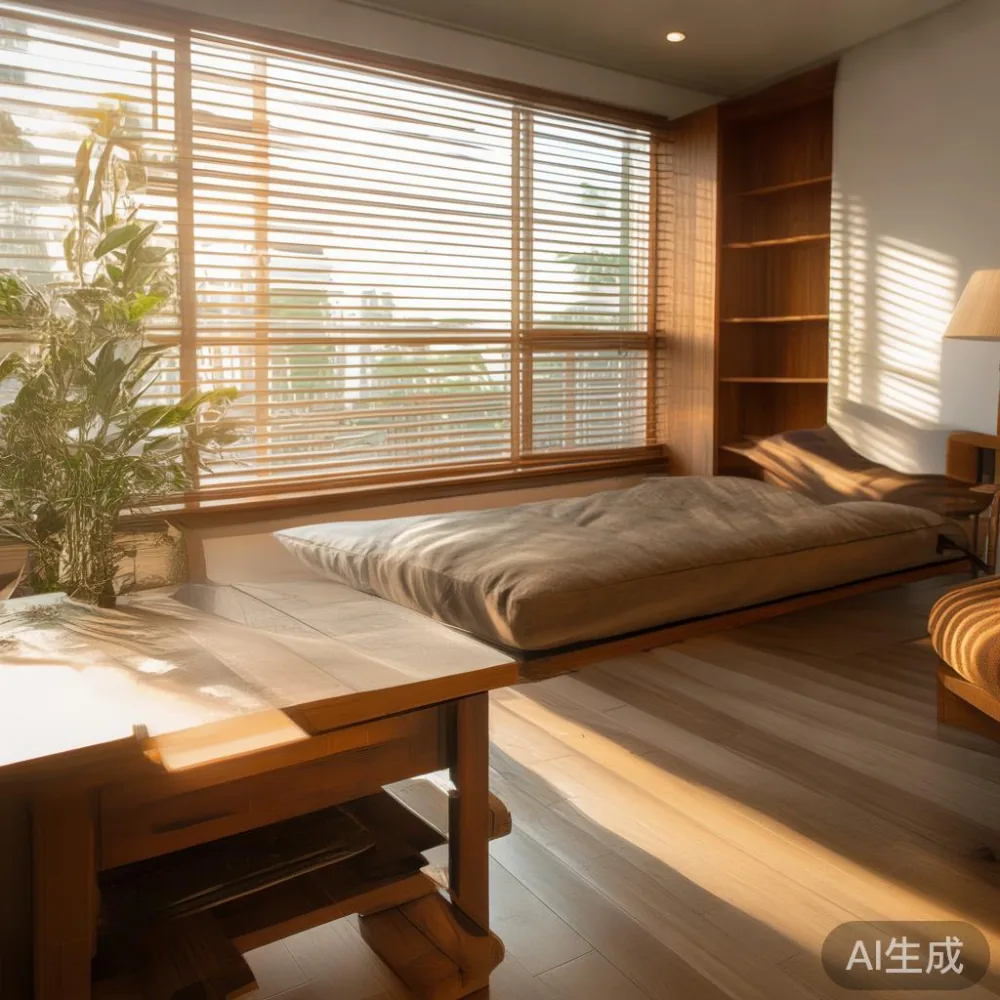
Relative humidity in Singapore commonly ranges from about 65% to 90%, with daily changes influenced by rainfall, sea air, ventilation and air-conditioning. Wood absorbs moisture from the surrounding air when humidity rises and releases it when the air dries. That movement can produce small dimensional changes, surface checking, mould risk around poorly ventilated areas and swollen drawer runners. A well-chosen solid wood dining table, wardrobe or nightstand can still perform well, but storage, placement, care and delivery arrangements matter.
This guide explains how humidity affects wood furniture in practical terms, with measurements that a first time buyer can use before bringing a piece into a Singapore home. It also explains why certain finishes, joinery methods and climate habits reduce problems. MIDHILL was established in 2008 and exports to more than 15 countries, so its product development includes experience across different humidity conditions. Its solid wood furniture carries a 10-year structural warranty, while refinishing service is available for the lifetime of the product.
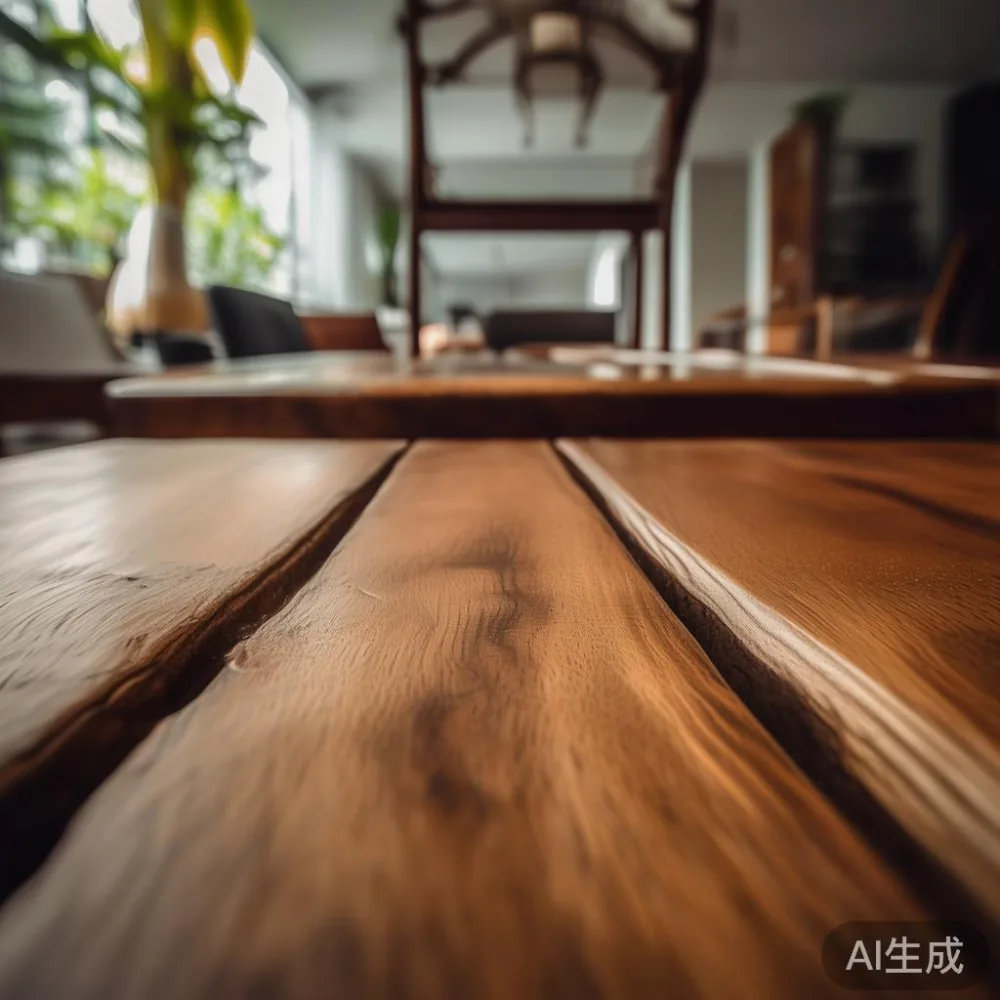
How much does humidity affect solid wood furniture?
Humidity affects solid wood because timber is hygroscopic: its moisture content responds to the relative humidity around it. As a simple reference, wood moisture content often tracks average relative humidity closely. At roughly 60% relative humidity, many interior wood products are most stable; near 85%, some can swell; and in very dry air-conditioned conditions, boards can lose enough moisture to develop fine checks along the grain.
The changes are usually measured in millimetres, not centimetres. A 180 cm wide solid wood dining table may move 2–4 mm across its width over seasonal changes, while a 200 cm long bed frame may shift around 1–3 mm along its length. A drawer made from solid timber can become noticeably tighter or looser if its sides and base absorb moisture at different rates.
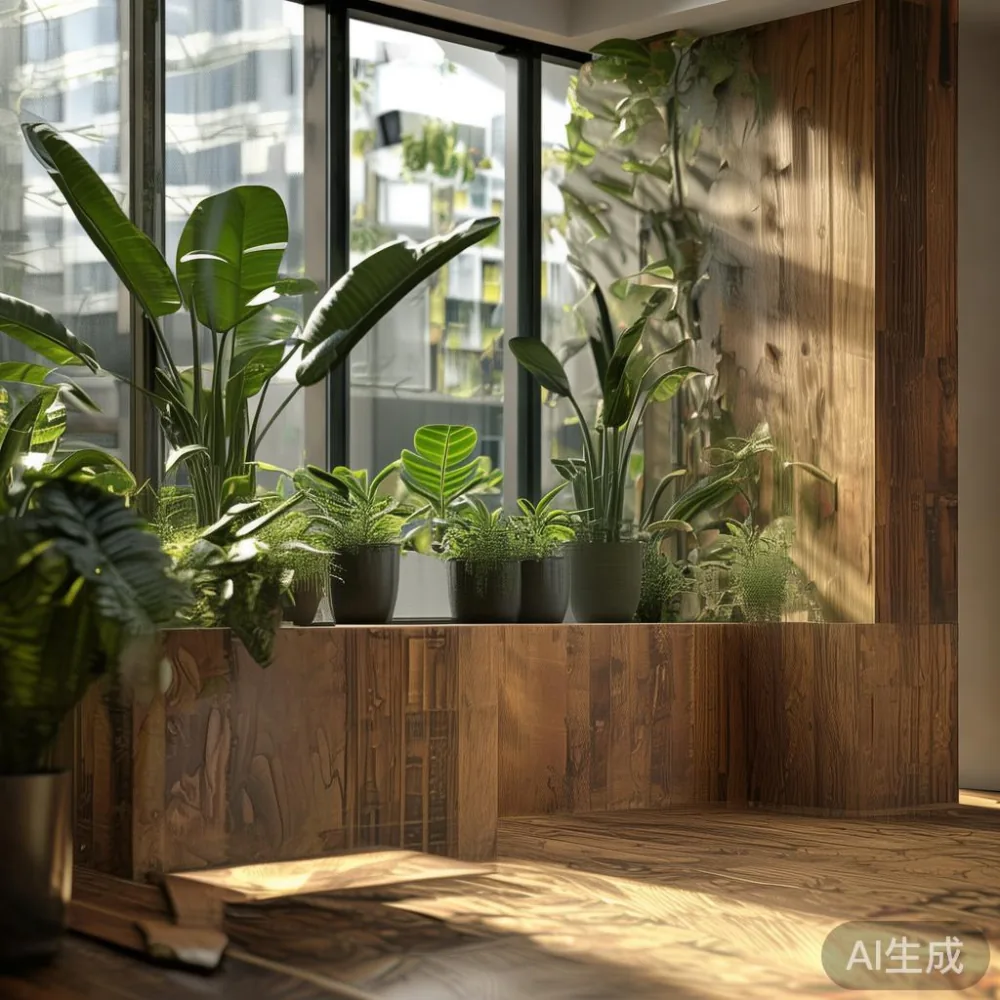
Solid wood generally handles moderate humidity better than untreated particleboard or MDF. In an HDB flat, however, two weak points remain: external walls that stay damp, and indoor areas without air movement. A wardrobe pushed tightly against a bathroom-adjacent wall, for example, may have only a 2–3 cm rear ventilation gap and little airflow around its sides. Air-conditioning lowers humidity but also changes it quickly when doors and windows are opened.
For a first time buyer, the practical target is not to avoid Singapore’s humidity. It is to limit rapid fluctuations. Keep indoor relative humidity between about 45% and 65% where possible, maintain airflow around furniture and avoid direct contact with wet walls, curtains or cleaning products. A calibrated hygrometer costing about SGD 15–30 makes the invisible conditions visible.
What should I know about humidity in HDB flats and condos?
Singapore sits close to the equator, and the regional climate stays warm throughout the year. Outdoor relative humidity often reaches 80–95% on wet days. Inside a well-used HDB flat, humidity can sit around 60–75% in bedrooms and living rooms, particularly when several residents shower, cook and dry laundry. In a compact Tampines flat with an open kitchen, moisture from cooking can travel into the dining area before the air-conditioning removes it.
Condo living can bring different issues. High-rise units may receive strong sun through west-facing windows, causing afternoon heat and subsequent condensation on cooler surfaces. Corner units in Bedok or Punggol can also experience noticeable differences between a corridor-facing wardrobe wall and a sunlit bedroom wall. An air purifier helps with airborne particles but does not remove water vapour; a dehumidifier does. A small unit with a removal rate of around 10–16 litres per day is useful for a dry room or cupboard area, though it should not be aimed directly at a wood surface.
Measure the room before delivery, not after. Record relative humidity near the floor, at 120 cm and near the ceiling, with the air conditioner running as it normally would. Readings within 5 percentage points suggest an even room. A gap of 10 percentage points can reveal a damp corner or a strong cold-surface effect. The installer can then decide whether furniture needs a 5 cm wall gap, floor-protective pads or a different location.
Spaces beside unglazed windows and exterior doors deserve extra attention. Use blinds to reduce direct sun, but allow ventilation so warm air does not remain trapped. For wardrobes, leave enough clearance for hinges and maintenance access. In a narrow corridor, ensure that packaging does not block the smoke detector, service riser or emergency route.
Can Singapore humidity cause mould on a wardrobe or bed frame?
Yes, humidity can encourage mould if wood stays damp and air cannot circulate. The risk is highest behind furniture, underneath mattresses and inside unventilated storage cavities. A solid wood bed frame may resist surface mould better than fabric-covered or laminated alternatives, but moisture trapped against a back panel can still develop black spotting or musty odours.
Check the wall before placement. Look for peeling paint, tide marks, powdery residue or a musty smell. Tape a sheet of clear plastic against the wall for 24 hours; trapped condensation is a warning that the surface needs inspection. A moisture-meter reading above roughly 20% in timber can be concerning, although the meter should be checked against the wood species and service conditions.
For a freestanding wardrobe, leave a 3–5 cm gap behind it where the manufacturer permits, and 2–3 cm at the sides for airflow. Avoid placing it directly against a bathroom wall or a north-facing external wall that regularly collects condensation. Raise the base at least 5 cm above a floor that may get wet during cleaning. For a solid wood nightstand, keep it 30–45 cm from a shower doorway and use the bathroom’s exhaust fan for at least 15–20 minutes after use.
For upholstery, remove loose covers and wash them according to care instructions. Vacuum the frame every 2–4 weeks and inspect the underside twice a year. If mould appears, stop adding moisture, improve ventilation and seek product-specific treatment rather than applying household bleach directly to the finish.
How should a solid wood dining table be protected from humid weather?
A dining table is usually exposed to the widest range of household moisture: hot meals, wet dishes, steam from the kitchen and air-conditioning drafts. Choose a finish that suits frequent wiping rather than assuming one universal coating is suitable. Polyurethane, conversion varnish and hardwax oil systems each have different repair requirements. Ask the supplier for the exact finish name, maintenance instructions and authorised cleaning products.
Use placemats and coasters. Place a hot serving dish on a trivet rated for at least 150°C, and avoid leaving wet glasses, sauce bottles or damp paper directly on the wood. Wipe spills within 10 minutes, especially around joints and end-grain edges. Clean with a lightly damp cloth and immediately dry the surface; repeated soaking can raise surface moisture.
Modern light luxury dining table designs often combine solid wood with marble, and the two materials need different care. Marble is less sensitive to humidity than wood, but acidic liquids such as wine, lime juice and vinegar can etch the surface. Use a pH-neutral stone cleaner and wipe acidic spills promptly. A marble table may also be heavier than a timber table, so verify that the floor and lift can handle the load.
For layout, leave about 90 cm of circulation space around the table and 60 cm between the table edge and a wall or sideboard. Those figures are useful in compact HDB dining areas and preserve access around chairs. If the table is near an open kitchen, an extractor hood and a 60–90 cm buffer reduce grease and steam. Keep furniture away from a microwave, dishwasher and air-fryer outlet, all of which can release heat or moisture.
Will a solid wood bed frame warp in a humid Singapore bedroom?
A properly made solid wood bed frame should not develop severe warping under normal indoor conditions. Structural movement is different from structural failure. A frame may flex slightly when occupied, and humidity can make a drawer or side rail fit differently, but sound joinery should remain stable. Slats spaced too closely can also trap heat and moisture under the mattress.
Allow the new bed frame to acclimatise before assembly if the instructions recommend it. Compare the package with the room conditions, open protective packaging where safe, and avoid leaving sealed timber in a warm delivery van. Once installed, keep the frame at least 20 cm from a window if condensation forms there, and do not push it tightly against a cold external wall.
For a first time buyer researching how to style European bed in bedroom layouts, a lightly upholstered or framed headboard can soften a room while retaining the proportions of a HDB bedroom. Check the final mattress and headboard dimensions before ordering; allow 5–8 cm between the wall and the headboard when the design requires rear access. French light luxury can work with pale timber, linen textures and restrained metal details, but the finish still needs climate-appropriate care.
Under-bed space should remain ventilated. If drawers are built in, pull them out periodically so moisture does not remain trapped inside. Vacuum beneath the bed every 2–3 months and check for dampness after heavy rain or construction work nearby. A mattress protector with a waterproof upper surface adds useful protection without preventing normal room ventilation.
How do I keep a solid wood sofa and nightstand looking good?
A solid wood sofa combines timber structure with cushions, webbing or springs, so humidity affects both wood and soft materials. Keep the sofa 20–30 cm away from exterior walls in a damp flat, and 60 cm from an open balcony door if strong winds drive rain indoors. Do not place it directly beneath an air-conditioner vent; the rapid dry-to-humid cycle can dry the timber while the fabric collects dust.
Rotate loose cushions every 2–4 weeks so their moisture exposure is even. Open sofa covers or removable panels for ventilation where the care label allows it. Clean spills promptly and avoid steam-cleaning timber unless the manufacturer specifically permits it. For a light-luxury room, a cream solid wood sofa in American light luxury styling may show dust and water marks quickly, so a protective treatment and careful routine are more important than appearance alone.
A solid wood nightstand is useful near the bed, but its position can concentrate overnight humidity. Keep it away from an ensuite door, and allow 15–20 cm between it and the bed if space permits. Use a small tray for a glass, a coaster for a lamp and a damp cloth followed by a dry cloth. Check the underside for condensation every 3 months.
Modern light luxury for apartment interiors often relies on slim bedside tables, warm finishes and uncluttered circulation. In Punggol or Tampines, maintain a passage of at least 60 cm where possible. Avoid placing a nightstand where its drawer must open directly into a walkway; a drawer extension of 40–50 cm can obstruct a person carrying bedding or luggage.
What about wardrobes, Japanese styles and ventilation?
A wardrobe is the piece most likely to be squeezed against a wall, so ventilation planning is important. Ask whether the back panel is sealed, how many ventilation openings are fitted and whether the unit includes a plinth that raises the carcass. Good design may include rear cut-outs, chamfered back panels or a ventilated base rather than a completely closed box.
For anyone considering how to style Japanese wardrobe in apartment layouts, a low, clean-lined cabinet can suit a compact bedroom, but it should not be installed in a persistently damp recess. Leave 5–8 cm behind freestanding storage when the wall is sound and the design allows. Keep clothes 10–15 cm from a cold external wall if mould has previously appeared.
Hang wool, linen and cotton garments on a broad 10–15 cm hanger to reduce wrinkles and allow airflow. Clean the closet every 3 months, vacuum the top surface and check corners with a flashlight. Dehumidifier packets are useful only in small enclosed spaces; they should not replace ventilation in a whole bedroom.
Post-modern light luxury can pair a timber wardrobe with restrained handles, fluted panels or stone accents without making a small bedroom visually crowded. Measure the door opening before delivery. A typical HDB bedroom door may be around 80–85 cm wide, while a large wardrobe carton can exceed 200 cm in its longest dimension. The delivery team must know whether the item can be carried upright, turned through the corridor or assembled inside the room.
How do lifts, corridors and delivery time affect new furniture?
Humidity is not the only climate-related concern. A solid wood dining table, wardrobe or bed frame may need 4–8 weeks for production depending on design and finish. Confirm whether the quoted delivery window is in business days, and whether the date begins after production or after dispatch. Plan for a delay of several days during heavy rain, festive periods or peak moving seasons.
Measure the lift car and doorway rather than relying on building dimensions. A common HDB lift interior may be about 110 cm wide and 140 cm deep, but older blocks and newer lifts vary. Record the door opening, corridor turns and the route from the loading point. A 180 cm dining table top can be carried diagonally, while a boxed wardrobe may need to be angled; protective blankets and removable legs can reduce damage.
Check the maximum load marked inside the lift. A marble table can weigh several times as much as a comparable timber table, so arrange a separate trolley and enough crew. A 120 kg marble dining table, for example, requires at least 2–3 people and proper lifting equipment. For a solid wood dining table weighing 65–90 kg, confirm the carrier’s loading and unpacking terms before the day.
Before accepting the delivery, inspect corners, tabletop edges, doors, drawers and finish. Photograph any marks and report them before the packaging is removed. MIDHILL provides free shipping on orders over US$350, though Singapore orders should have the local delivery amount confirmed in SGD, including any GST treatment. Returns are accepted within 14 days under the stated policy, so a first time buyer should keep packaging and record the item’s condition at receipt.
What care routine should a first time buyer follow?
A simple routine prevents most humidity-related problems. Check relative humidity monthly using an SGD 15–30 hygrometer, with a seasonal check during the wettest and driest periods. Wipe surfaces every 2–4 weeks, move cushions occasionally and inspect the backs of wardrobes every 3–6 months. Clean with a soft cloth, mild product recommended by the maker and minimal water.
Do not wax or oil furniture automatically. Some existing finishes become slippery, sticky or patchy when the wrong product is applied. Use a coasters, felt pads and stable placemats. For solid wood dining table settings, keep hot dishes on trivets and remove condensation from nearby marble surfaces as well as timber.
Seasonal changes can also affect appearance through colour and sheen. Test any cleaner on a hidden area for 24 hours. For scratch or finish damage, use authorised care products; do not sand through a factory coating. MIDHILL offers lifetime refinishing, which can help restore a piece after years of use, subject to the service process and current terms. A 10-year structural warranty covers structural issues rather than every surface blemish, so reading the warranty conditions is part of responsible buying.
For a first time buyer, solid wood should be chosen for construction, repairability and character, not as a guarantee that it will remain untouched by the climate. Protect it from standing water, give it airflow and keep temperature and humidity reasonably steady. For style, mid-century modern for dining room schemes can use a clean oak table and light chairs, while French for dining room ideas can add a marble or stone side surface with pale timber. Each approach works best when proportion, access and care are planned before delivery.
A humid environment requires furniture to be treated as a long-term relationship rather than a one-day purchase. Measure the actual room, choose the right finish, verify the delivery route and establish a care routine. That preparation helps a first time buyer enjoy solid wood furniture for many years while reducing avoidable swelling, checking and finish damage.