Warm Minimal Furniture for Singapore Homes: A First-Time Buyer’s Practical Guide
For most first time buyers in Singapore, the challenge is not a lack of furniture. It is choosing furniture that fits the home’s proportions, the building’s access routes, and the warm light found in HDB flats and condos around Tampines, Bedok, and Punggol. A 3-room HDB flat may offer about 66 sqm of floor area, while a 4-room flat may approach 92 sqm, yet the living room can still be only 3.2–3.6 m wide and a bedroom around 3.0 by 3.2 m. Warm minimal interiors work well in these dimensions because they rely on balance rather than emptiness: one dominant wood tone, a restrained palette, low-profile forms, and enough visible floor space to let each piece feel intentional.
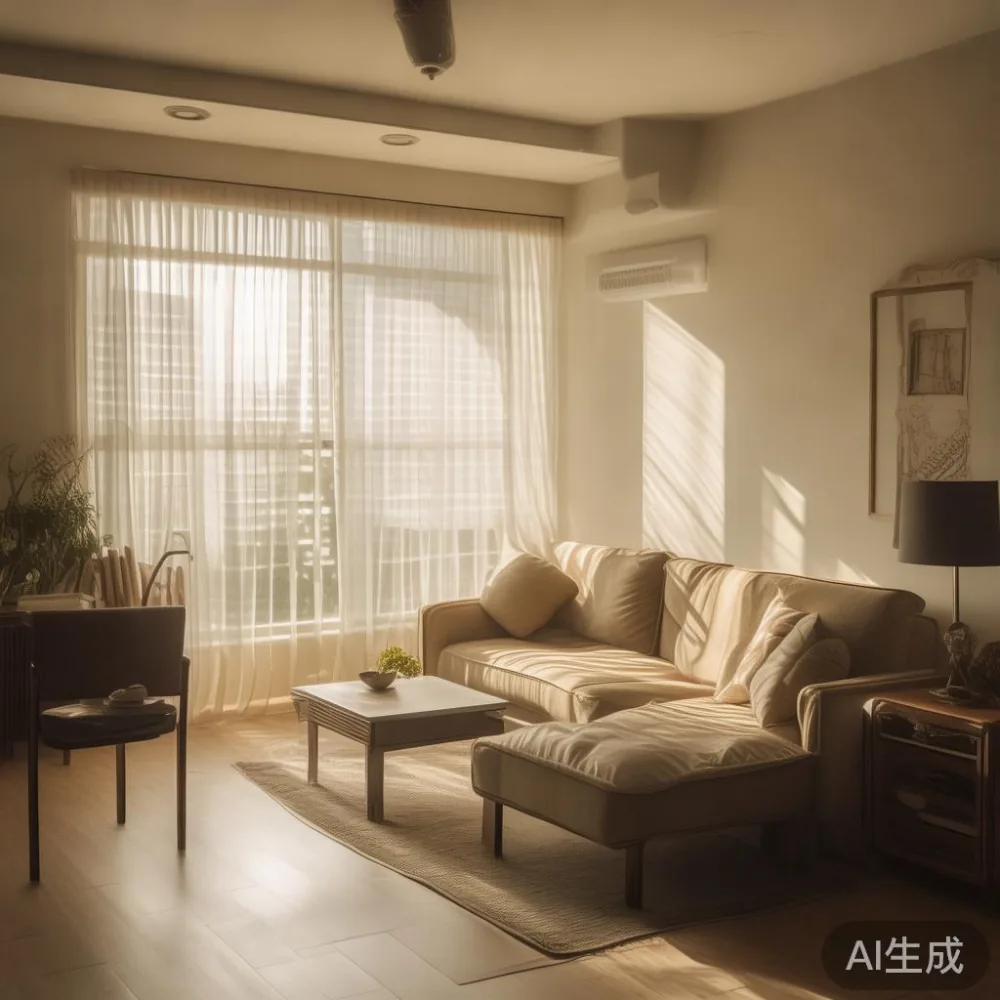
This guide is written for a first time buyer, not a professional stylist. It uses room measurements, delivery assumptions in SGD, and access details relevant to Singapore homes. A solid wood sofa, bed frame, dining table, wardrobe, nightstand, and marble table can each become part of a coherent home, provided scale is considered before colour. MIDHILL’s approach to solid wood construction, a 10-year structural warranty, and lifetime refinishing also makes it possible to plan for long-term ownership rather than short-term appearance.
What does warm minimal actually look like inside a Singapore flat?
Warm minimal differs from cool Scandinavian minimal through temperature rather than ornament. Pale birch, fog-grey upholstery, stark white walls, and matte-black fittings may feel crisp in a visual mock-up, but they can look severe under Singapore’s bright light. A warm version introduces honey-toned oak, American walnut, oatmeal textiles, camel leather, aged brass, or soft bronze. The shapes remain simple: straight edges, modest profiles, flush doors, and limited decoration.
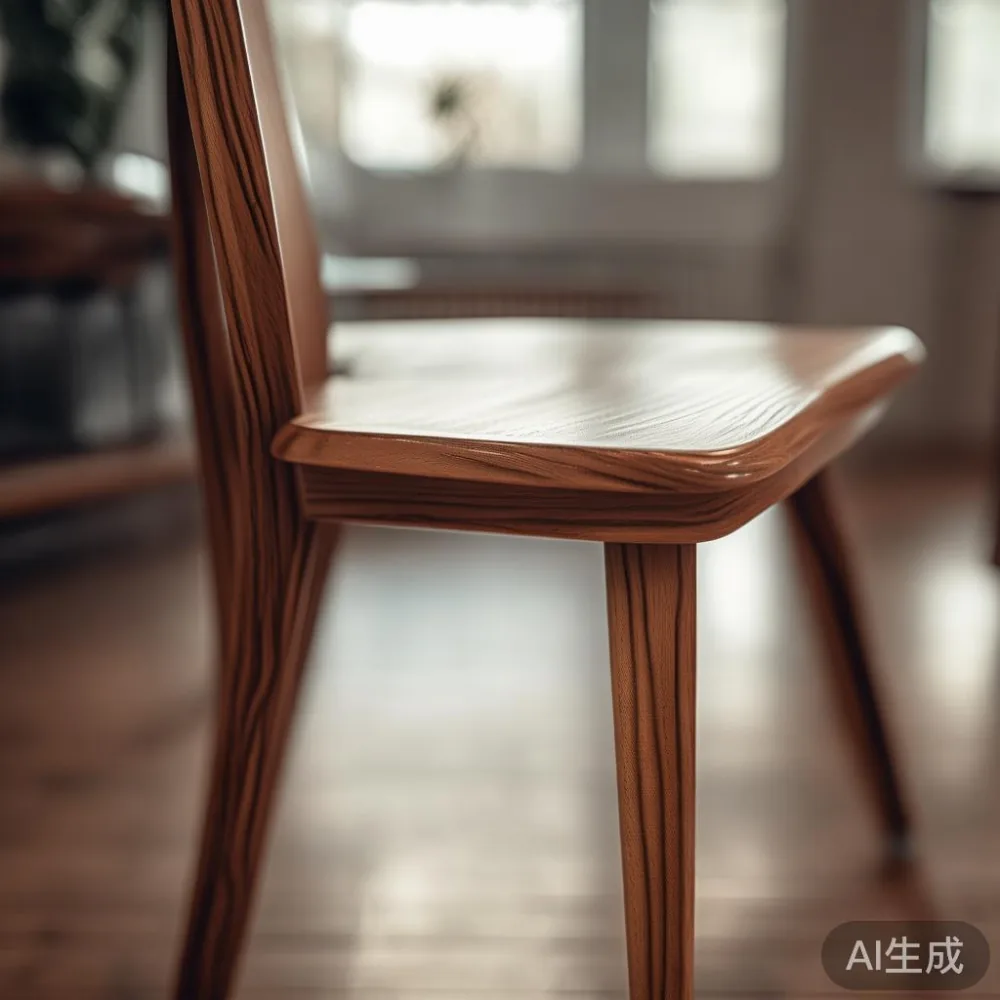
A useful distribution is 60/30/10. Let 60 percent of the visible surfaces share one pale neutral, use 30 percent for a warmer or deeper tone, and reserve the last 10 percent for a deliberate accent such as terracotta, olive, rust, or muted blue. A warm-grey wall around RGB 215, 210, 200 and light oak around RGB 205, 185, 155 can appear harmonious without becoming overly yellow under a 4000K ceiling lamp.
Texture does more work than additional colour. Across an entire flat, four textures are usually enough: visible wood grain, plain woven linen, looped bouclé, and honed stone. A fifth can work if it repeats elsewhere, but isolated surfaces often make a compact flat feel crowded. Bring home 3 material samples measuring about 15 by 15 cm, compare them against the actual wall paint, and photograph them at noon and 6pm. Screens often shift warm colours, while west-facing Tampines light at 3pm can expose differences that are invisible in a showroom.
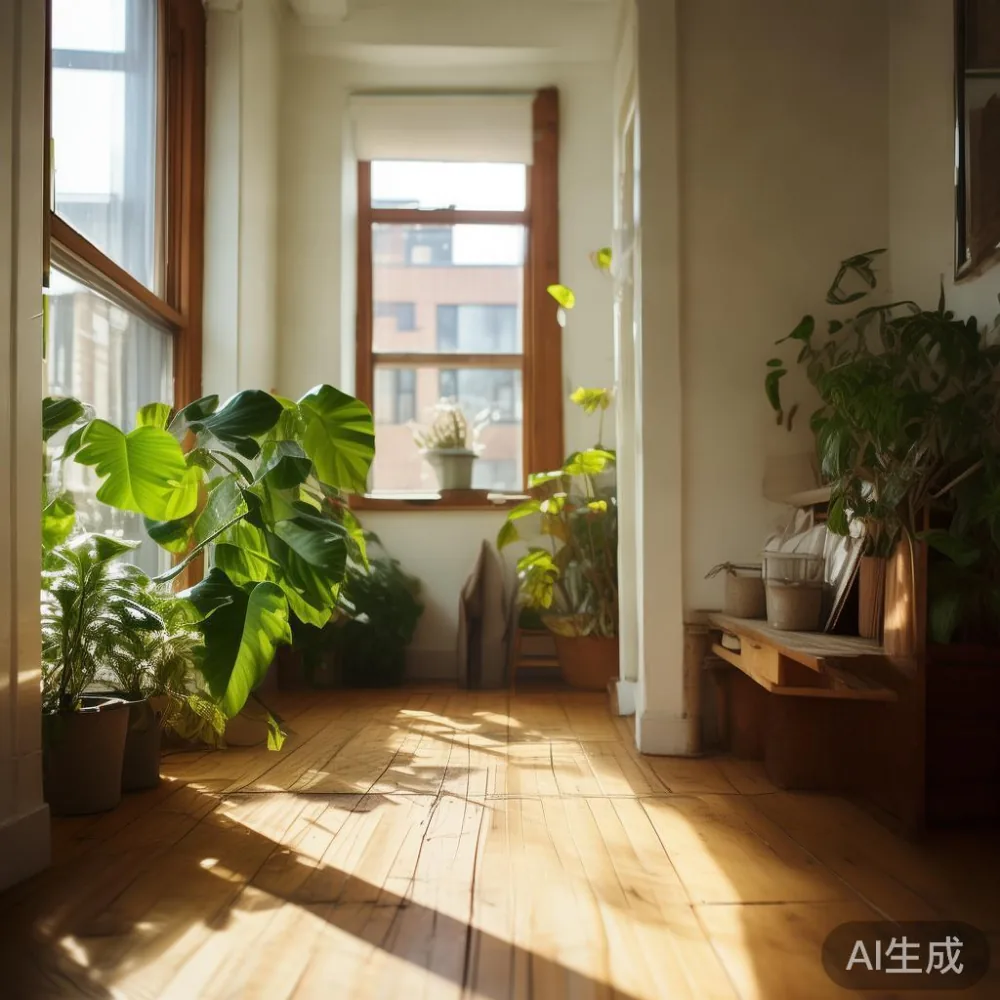
Last month I visited a 4-room HDB flat in Punggol with a first time buyer who had bought 9 furniture pieces within 3 months. In the 92 sqm flat, intended 90 cm gaps had contracted to approximately 25 cm. We removed 5 pieces and retained a 205 cm solid wood sofa, a 120 by 60 cm coffee table, a 45 cm-diameter marble side table, and 1 floor lamp. The retained purchases were valued at about SGD 4,100, while the removed items had cost roughly SGD 1,400 more. The room immediately appeared larger. That practical afternoon reinforced a core principle of warm minimalism: measure, subtract, and compose before adding another object.
Will a warm minimal sofa actually fit my HDB living room or condo?
Yes, if the access route is measured before the sofa is selected. A first time buyer may focus on the living room width and overlook the lift, corridor, and turning points. Older HDB lift entrances commonly measure around 90 cm wide, with lift cars near 110 cm wide and 140 cm deep. Newer lifts may provide approximately 130 cm of clear width. Corridors often run 1.2–1.5 m wide, while stairwell landings and right-angle turns can be much tighter.
The usable width of a lift door may also be smaller than its structural opening. Check the posted floor dimensions, ask the building management for a clear measurement, and measure the handle, door track, and any raised threshold. The same care applies to condo service lifts, which may have a large door but a narrow internal turning area.
A sofa’s arm-to-arm depth must clear the narrowest entrance. A design under 88–90 cm deep and below 100 cm high can often be turned through a 90 cm opening, while a 92 cm-deep model may catch the lift frame. Detachable legs and removable back cushions reduce handling weight and make the route more practical. For a 3.2 m-wide living room, a 160–175 cm solid wood sofa generally leaves 72–80 cm on each side. A 195–205 cm model requires either a wider wall or a deliberate decision to sacrifice side-table space.
Maintain approximately 40–45 cm between the sofa front and a coffee table, 75–90 cm between the coffee table and television wall, and at least 60 cm along a main circulation route. A 90 cm-wide side passage is comfortable for daily use; 75 cm is workable but tight when carrying luggage or groceries.
Light luxury here means visual refinement and proportion, not oversized upholstery. French light luxury styling suits a low-backed 2-seater with slim 16–18 cm arms and loose linen covers. American light luxury often favours square arms, pale oak framing, and tailored cushions. For anyone comparing a European light luxury sofa vs Mid-century modern sofa, the former generally places more emphasis on softness and upholstery, while the latter exposes more timber and emphasizes tapered legs. The right comparison is not style against style, but total depth, lift clearance, seat comfort, and the room’s remaining walking space.
| Living-room width | Comfortable sofa width | Suggested solid wood sofa | Remaining planning note |
|---|---|---|---|
| 3.0–3.2 m | 160–175 cm | 2-seater up to 175 cm | Allow a 35–40 cm side table |
| 3.2–3.6 m | 180–205 cm | Compact 3-seater below 205 cm | Check lift depth before ordering |
| 3.6–4.0 m | 205–225 cm | 3-seater with removable modules | Preserve a 75 cm main passage |
Which wood tone and fabric survive tropical light?
Singapore’s light is intense. East- and north-facing Bedok homes may receive stable, indirect daylight, while west-facing Tampines units can experience direct sun between 2pm and 5pm. Pale oak can bleach under repeated exposure, natural linen can fade in approximately 12–18 months, and darker finishes can develop visible heat-related gloss changes if their coating is unsuitable.
Choose a UV-resistant textile coating, rotate loose cushions each month, and use curtains rather than relying only on blinds. A sheer curtain paired with a 40–60 percent blackout layer can reduce direct exposure while retaining a bright appearance. Keep furniture at least 15–30 cm away from windows where possible, especially for a pale upholstered solid wood sofa or a marble table near strong afternoon light.
Three wood tones suit most Singapore homes. Light oak visually expands compact rooms and develops a soft honey character with age. Smoked oak offers a warm grey-brown appearance and tends to disguise dust and small marks, making it practical for frequent use. American walnut brings deeper warmth and pairs naturally with oatmeal and camel, although it shows water rings readily and requires a sealed satin or matte finish. Ask for the exact finish name, sheen level, cleaning instructions, and expected colour variation across boards.
Post-modern light luxury can bridge pale woods and curved details without introducing heavy decoration. A gently rounded nightstand, an oval-front wardrobe, or a tapered dining table may soften the geometry of a rectangular HDB flat. The balance should come from shape rather than clutter. One curved feature in each room is usually enough.
How do I choose a bed frame for a 3.0 by 3.2 m bedroom?
Bed size appears obvious, but the surrounding space determines whether a room feels comfortable. A queen bed measures approximately 152 by 191 cm in Singapore, while a king measures about 183 by 203 cm. A 3.0 by 3.2 m bedroom can hold a queen with roughly 54 cm at the foot and 64 cm at the sides, based on the frame’s total dimensions rather than the mattress label. That sounds adequate until a nightstand, open drawer, and wardrobe door enter the calculation.
Allow about 55–65 cm beside a bed where one person walks past and 75 cm on the side used to make the bed. A slim nightstand measuring 35–45 cm wide and 40–50 cm high can fit where a 55 cm cabinet cannot. If the bed has drawers, check its full extension: a 50 cm drawer requires another 50 cm of clear floor space.
Before comparing designs, understand how to choose Mid-century modern bed for an actual Singapore room. Look for tapered legs, a modest headboard, visible timber, and restrained joints. A post-modern light luxury bed might add softened corners or upholstered panels, while an American light luxury bed often has tailored detailing and a substantial headboard. A French light luxury bed can suit warm textiles but should not overwhelm a narrow wall.
The phrase light luxury bed vs Modern bed can help organise the decision. A Modern bed usually uses cleaner planes and simpler ornament; a light luxury interpretation may introduce richer upholstery, layered bedding, or more visible joinery. Neither guarantees good space planning. Measure the headboard, compare it with the full wall, and check whether the frame can be carried through a 90 cm door. For many 3-room flats, a queen frame around 158 by 203 cm gives more useful clearance than a king frame around 190 by 208 cm.
For material comparisons, the best Japandi bed for 2026 will likely remain the one that balances pale timber, clean proportions, repairable construction, and restrained hardware. A solid oak or walnut frame with a 7–10 cm reveal above the floor makes a compact room appear lighter. Avoid a very thick plinth if floor space is scarce; it can visually block the base and reduce the sense of openness.
What should I put in the dining area without making it feel cramped?
For a dining area measuring 2.4–3.0 m, begin with the table rather than the number of chairs. A rectangular dining table 120 by 70 cm seats 4 with approximately 30–35 cm per person. A 140 by 80 cm table seats 6 but reduces circulation on all sides. In a 2.4 m-wide zone, a 140 cm table leaves only 50 cm per side if centred, which is narrow for chairs and walking.
A 120 by 70 cm solid wood dining table is therefore often more useful in a compact HDB dining area. Pulling out a chair may overlap the wall, so consider a table with an open underside and tapered legs rather than one with chunky corner supports. If the space is only 2.1 m wide, a round table measuring 100–110 cm can seat 3–4 people and permit more even movement, although the circular footprint can reduce capacity for a long rectangular serving arrangement.
The marble table question deserves equal care. Marble can introduce French or post-modern light luxury through veining and rounded profiles, but a heavily veined centrepiece may overpower a warm minimal room. Pale beige, cream, or light grey stone with restrained movement works better than high-contrast black-and-white marble. A 90 cm-diameter marble table can be useful as a living-room side table, while a 100–110 cm version may function in the dining zone.
Before buying a dining set, complete a delivery rehearsal. Walk the table’s packaged dimensions from the loading area, through the corridor, around the lift, and into the kitchen. A 140 by 80 cm table packed for shipping may measure 154 by 94 by 18 cm, and the added packaging should not be confused with the finished size. Confirm whether chairs and table can arrive separately. Typical Singapore delivery takes 7–14 working days for in-stock solid wood pieces, while made-to-order finishes may require 4–8 weeks.
How can a wardrobe and nightstand work in a small bedroom?
A built-in wardrobe often looks space-efficient but can make future changes difficult. A freestanding 180 cm-wide wardrobe with sliding doors may provide more usable capacity than an 180 cm hinged model because the doors do not need swing space. Check that the panels can clear the bedroom door and lift. If the lift depth is only 110 cm, a wardrobe box deeper than about 58 cm may not enter without turning; tilting can still cause frame damage.
For a compact bedroom, place the wardrobe on the longest uninterrupted wall and keep the door recess shallow. Internal fittings matter more than decorative finish: 2 hanging sections, 3 shelves, 1 drawer, and 2 trouser racks can support 18–24 pieces of daily clothing. A depth of 55–60 cm is common, but narrower wardrobes at 48–52 cm suit folded clothing better. Any rods, drawer runners, and sliding mechanisms should carry a warranty measured in years rather than months.
The nightstand should repeat the bed frame’s timber and use the same simple geometry. A 40 cm-wide unit with 1 drawer and a 12 cm surface can hold a phone, glass, and book without competing with the bed. Avoid matching sets made of visibly different browns; optical differences between oak, walnut, and veneer can make a small room look patchy. If a second nightstand is not needed, use a 30–35 cm wall shelf and keep one modest table on the floor.
Should the living room include a TV console, coffee table, or marble accent?
A television can still have a light presence without becoming the visual centre. A Modern light luxury TV console generally uses clean lines, pale timber, and closed storage. For a 3.2–3.6 m living room, a 160–180 cm console is often enough for a 55–65 inch television. Leave 8–12 cm of visual breathing room around the screen, or use wall mounting to gain surface space. A 180 cm console in a 3.2 m room can feel too long unless it sits within a wider recess.
Keep the coffee table 40–45 cm from the sofa and make sure it does not block a balcony door. A 100 by 55 cm rectangular model suits a 160–180 cm sofa, while a 120 by 60 cm model suits a 195–205 cm sofa. Choose rounded corners in a family home and consider lift-up storage for toys, remotes, and cables. In a first time buyer’s flat, that concealed capacity can replace an additional side cabinet.
A marble table adds a focal surface without requiring another large colour block. A 45 cm diameter, 50 cm-high table beside the sofa works for a drink and book; a 50 cm-diameter table may support a small lamp. Use a protective mat for rings and avoid placing hot cookware directly on the stone. During a MIDHILL coffee table review, useful checks should include joint stability, surface evenness, edge comfort, and the exact dimensions of the packed item—not simply the shape visible online.
For a shopping decision, use this simple checklist:
- Measure the room at 3 points because walls and floors are not always perfectly square.
- Measure the narrowest lift door, lift car, corridor, and right-angle turn.
- Record each finished piece as width by depth by height in centimetres.
- Allow 40–45 cm between a sofa and coffee table, and 75–90 cm for the main television passage.
- Compare each item with the existing timber colour under afternoon light.
- Confirm delivery timing, assembly needs, and the return window before payment.
How should I budget for a warm minimal home and delivery?
A coherent first home need not begin with a large shopping spree. A practical order is the bed frame and important dining pieces first, followed by the sofa once access measurements are confirmed. Storage should be solved before decorative accessories. This sequence reduces the chance that an oversized purchase blocks the installation of something needed daily.
As a practical reference rather than a quotation, a 160–175 cm solid wood sofa may fall around SGD 1,800–3,200, a queen solid wood bed frame around SGD 900–1,800, a 120 by 70 cm dining table around SGD 700–1,500, a 180 cm sliding-door wardrobe around SGD 1,400–2,800, and a 40 cm nightstand around SGD 220–500. A marble side table may range from approximately SGD 420–900. Prices vary with species, finish, joinery, dimensions, and delivery scope, so compare the specification rather than treating a range as a promise.
Singapore prices normally include GST when displayed to consumers, but verify the tax treatment on the written quotation. Furniture delivery to most Singapore addresses may cost around SGD 50–180, while stairs, upper-floor handling, or narrow access can add a separate fee. MIDHILL offers free shipping on qualifying orders above US$350, but the local checkout should confirm whether that threshold applies to a Singapore order and what the final SGD charge is. For a typical in-stock delivery, allow 7–14 working days; made-to-order furniture commonly needs 30–56 days.
The company was established in 2008 and exports to more than 15 countries, which is useful evidence of production experience, though the practical points remain the structural warranty and after-sales support. A 10-year structural warranty can reassure a first time buyer about a bed frame, dining table, or wardrobe. Lifetime refinishing offers another long-term benefit, but the policy’s scope should be confirmed in writing. Returns are generally allowed within 14 days under the applicable conditions, so inspect dimensions, finish, and damage immediately on arrival.
What should a first time buyer check before ordering solid wood furniture?
Solid wood is not automatically the right choice for every room, but it offers a tactile quality and repairability that suits warm minimal interiors. Start by asking what part of the piece is solid timber and whether plywood, MDF, veneer, or engineered board appears in secondary components. A drawer box and frame may use different materials without compromising the design. Clear answers on joinery, moisture treatment, finish, and component replacement matter more than a vague “wooden” label.
For a bed frame, check centre support, slat spacing, and the expected load. For a dining table, look at extension joints and stability under uneven loading. For a wardrobe, examine drawer travel and hanging hardware. For a nightstand, check whether the drawer closes without scraping and whether the top is level. A marble table should be inspected for stable support, protected corners, and a base suitable for the stone’s weight.
Color should be checked across more than one light condition. A finish approved in a neutral showroom may look peach under warm downlights and grey in a bright condo. Request 3 close-up photographs in daylight if buying remotely, including joints and edges. Allow for natural board variation, and avoid expecting every panel to show identical grain.
For a first time buyer, the strongest plan is to create a short list, measure twice, and buy in stages. Warm minimal is not an empty room or a fixed shopping list. It is a method for deciding that every piece has a clear job, a compatible proportion, and enough room around it to be used comfortably. In a Singapore home, those decisions make the difference between furniture that merely fits the photograph and furniture that fits the daily life of the building and its residents.