Factors Influencing Solid Wood Furniture Pricing
Solid wood furniture can cost SGD 680 for a compact nightstand or SGD 4,800 for a six-seat dining table, yet the material label alone does not explain the difference. For a first time buyer in Singapore, price is shaped by timber species, construction, dimensions, finish, hardware, manufacturing methods, delivery conditions, and the level of service attached to the product.

HDB flats and condos make those factors especially visible. A 180 cm bed frame may fit inside a Tampines lift but still be awkward around a Bedok corridor. A dining table with a 240 cm top can look luxurious in a showroom and become impractical in a Punggol dining room with a 190 cm clear route. GST also changes the final amount shown at checkout.
This guide explains how solid wood furniture is priced, where money is spent, and what a first time buyer should check before paying. It covers solid wood sofas, bed frames, dining tables, wardrobes, nightstands, and marble tables without pretending that one style or price fits every home.

What makes solid wood furniture cost more than engineered wood?
The largest factor is the actual timber and its grading. Solid oak, ash, beech, walnut, and teak each have different raw-material costs, availability, grain patterns, and workability. A solid wood dining table using premium grade oak can cost more than one made from lower-grade beech because every board must be selected for colour, defects, and grain continuity.
Grade is only part of the calculation. Finger-jointed timber can be structurally sound while showing small joints on an edge or underside. Clear boards with continuous grain usually command more. The difference is visible, but it should not be confused with strength: timber species, moisture control, and joinery determine performance more reliably than appearance alone.
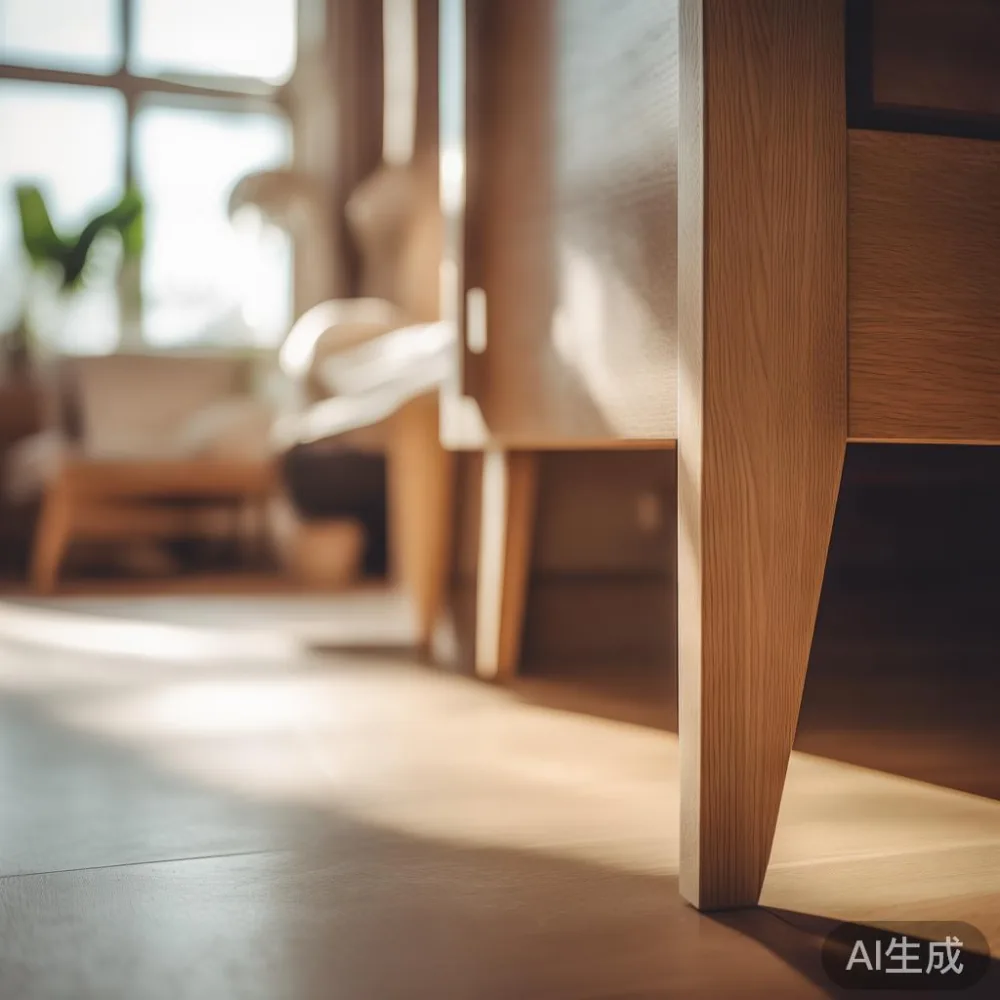
Processing also affects price. Kiln-drying timber to a suitable moisture level takes time and energy. It reduces twisting, cracking, and seasonal movement. CNC cutting can improve repeatability, while hand-finishing corners and edges adds labour. A bed frame might contain 45–70 kg of timber; a dining table can weigh 70–150 kg. More material means higher material, transport, and handling costs, although furniture should never be designed to be heavy without purpose.
Engineered wood offers useful savings because veneers or boards are manufactured in large batches. Solid wood is different because the structure remains timber through the visible frame, yet it still includes sheets, hardware, padding, and finishes. A seller who calls a solid wood bed frame entirely solid wood should clarify the headboard, slats, drawer parts, and internal supports.
Does French light luxury cost more because of its appearance?
French light luxury, American light luxury, and post-modern light luxury usually sell through details rather than one dominant material. Curved profiles, shaped aprons, tapered legs, inset panels, brass hardware, pale upholstery, and carefully applied finishes create the visual effect. The timber may still be affordable hardwood, but shaping and finishing can add meaningful cost.
Consider a French provincial dining table. A basic 200 cm version might retail around SGD 1,280 before GST, while a hand-shaped model with carved edges, matching grain, and a multi-layer finish might reach SGD 3,600. The increase does not mean the cheaper table is poor. It reflects a different amount of machining, inspection, and finish work.
The same distinction applies to beds. When searching for the best French provincial bed for 2026, compare the curve, joinery, coating thickness, centre support, and movement of the frame—not only the number of decorative features. French styling often works in a compact bedroom when the bed has a 120 cm width and a restrained headboard, but an oversized 165 cm version can overwhelm a 280 cm HDB bedroom.
American light luxury leans towards broad silhouettes, clean lines, and stronger visual statements. A solid wood sofa in this direction may use exposed timber around the arms and back while upholstering the seat. The frame can be solid wood, but the foam density, fabric specification, and stitching still influence the price. European sofa vs Modern sofa comparisons often become clearer when shoppers separate shape from construction.
What should a first time buyer compare on a solid wood bed frame?
Start with fit. Measure the lift door, corridor turns, bedroom doorway, stair landing, and usable wall length. Leave at least 5 cm clearance on narrow routes and remember that packaging adds to the dimensions. A 190 cm bed frame with a 208 cm package may pass a 200 cm lift door but make a right-angled corridor difficult. Record diagonal measurements rather than relying on door width alone.
Next, examine the frame. Check the outer dimensions, centre rail, slat spacing, support legs, and fastening points. For example, slats placed every 8–10 cm can provide suitable support for many foam mattresses, but the mattress manufacturer’s instructions remain controlling. A centre support may help a 180 cm frame resist sagging, particularly above 70 kg.
Finish deserves close attention. Water-based finishes may have a mild coating scent and generally simplify care, while oil and wax create a tactile surface that can be maintained. Ask for the exact maintenance method and repair policy. MIDHILL provides a 10-year structural warranty and lifetime refinishing, which can influence value because refinishing reduces the long-term cost of wear. A 5-year-old frame with a documented renewal process may be a sensible purchase.
For a real example, my colleague visited a supplier last month and weighed two bed frames that looked similar in the showroom. One weighed 38 kg; the other weighed 57 kg. The heavier frame had a thicker rails, more support pieces, and a better-finished underside. The price gap was SGD 520. That visit showed why weight alone is not proof of quality, but removing the retail polish and checking the structure revealed a real construction difference.
How much should wardrobes, nightstands, and marble tables cost?
A wardrobe is priced not by the cubic volume of its cabinet, but by usable internal design, hardware, and installation needs. For a first time buyer, internal organisation often matters more than a large number of decorative doors. A 150 cm wardrobe with hanging space, four drawers, soft-close runners, and adjustable shelves might cost SGD 1,480 before GST. A similar-looking model with basic runners and particleboard backing might cost SGD 980.
Measure lift access before choosing a three-door unit. A 210 cm tall wardrobe may not be suitable for some HDB lift lobbies even if it fits in the bedroom. Flat-pack shipping can reduce transport volume, but assembly and anchoring still take time. Confirm whether the quoted price includes delivery to the unit level, room placement, installation, and removal of packaging.
Nightstands offer a simpler price comparison. A 45 cm solid wood nightstand might cost SGD 380, while a 55 cm version with a drawer and rounded corners might cost SGD 620. A drawer needs a properly sized slide and a stable carcass. Decorative fronts do not compensate for a weak runner.
Marble tables occupy a different price category because the stone has weight, cutting requirements, and natural variation. A 100 cm marble side table might cost SGD 890, while a 120 cm table with a thicker top could cost SGD 1,560. Natural veining means exact visual matching may be impossible. Seal the surface according to the stone type, and do not place a very hot object directly on it.
How do finish, hardware, and workmanship affect the final bill?
Finish can account for a noticeable share of a furniture price. A basic clear coat may be inexpensive, but multiple sanding stages, grain filling, stain matching, and several protective layers require time. A walnut-toned finish on beech can cost less than clear-finished solid oak, but it may require more preparation to look even. Good lighting helps, although buyers should inspect surfaces in daylight when possible.
Hardware is another visible investment. A cabinet may use standard slides or soft-close systems, and a sofa may use basic webbing or reinforced sprung support. Differences of SGD 80–350 per fitting are possible. Ask what the hardware does, not just whether it is “premium.” A soft-close drawer used several times each day is more useful than an elaborate handle used occasionally.
Workmanship appears at less obvious points: flush joints, smooth transitions, even gaps, sealed underside edges, and symmetrical drilling. Check that doors align, drawers travel evenly, and screws are properly seated. A well-made piece may use concealed fasteners and modular parts that can be replaced rather than replacing an entire component.
For wardrobes, the question “how to style Japandi wardrobe in apartment” is partly visual and partly spatial. Pale timber, simple verticals, closed lower storage, and restrained handles can suit compact rooms. “How to style American wardrobe in apartment” tends to involve darker finishes, panelled doors, and stronger profiles, so the unit should not visually narrow the room. Those wanting guidance on the best Nordic wardrobe for 2026 can look for light oak, functional internal divisions, and hardware that suits daily use.
How much do delivery, GST, and after-sales service change the price?
A quoted furniture price is rarely the complete household cost in Singapore. GST is added at checkout for taxable supplies. If a solid wood dining table is listed at SGD 2,400, the GST-inclusive price is SGD 2,568. Some businesses advertise GST-inclusive figures, so compare like with like.
Delivery needs equally careful reading. Large furniture can require two people, lifting equipment, or stair handling. A ground-floor HDB unit in Tampines may incur less effort than a ninth-floor condo in Punggol with narrow corridors and a turning lift. Ask whether the price covers the lobby, doorstep, room placement, assembly, and old-item disposal.
MIDHILL offers free shipping above US$350, but the threshold is stated in US dollars rather than SGD, so a Singapore buyer should request a local-currency landed quotation and confirm any applicable charges before ordering. Its 14-day returns policy also provides a defined decision window. Review the condition requirements for custom sizes, upholstered items, and installed products.
Typical production and delivery periods vary by product. A ready-made nightstand may ship within 7–14 days, while a custom solid wood sofa or dining table may need 30–60 days. Timber is seasonal and can vary in moisture, colour, and grain. A realistic timeline is more useful than a vague “fast delivery” claim.
What questions should you ask before paying for solid wood furniture?
Ask whether every visible structural part is solid wood or whether the piece includes plywood, MDF, or other engineered components. Request clear photographs of the underside, back panel, drawer boxes, and joint areas. Confirm dimensions in centimetres, package dimensions, weight, and the delivery route.
Ask how the furniture was made, which timber species and finish were used, what hardware is fitted, and how maintenance is handled. A 10-year structural warranty can provide useful protection, but the exclusions matter. Review whether movement, finish wear, and accidental damage are treated differently.
For a first time buyer, the most useful comparison is total cost over time. A SGD 1,200 dining table may need replacement in 8 years, while an SGD 2,100 table with replaceable hardware and refinishing support may remain useful for 20 years. Likewise, an affordable solid wood sofa may need its cushions replaced, whereas a higher-priced model with separate cushion covers may be easier to maintain.
Price is therefore not a single number attached to a label. It is the combined result of material, design, labour, hardware, finish, logistics, warranty, and care. A first time buyer who understands those parts can compare two pieces on equal terms and choose the one that fits the room, daily routine, and budget—not simply the one with the largest sticker price.