Lacquered Furniture Care for First-Time Buyers in Singapore
High humidity, sudden downpours and air-conditioning can make a lacquered furniture surface look tired faster than many new owners expect. A solid wood dining table may develop faint rings, a bed frame may gather sticky residue near a window, and a lacquered wardrobe door may show fingerprints that were barely visible in the showroom. Good care is mostly about controlling moisture, heat and contact—not treating lacquer like an ordinary timber finish.
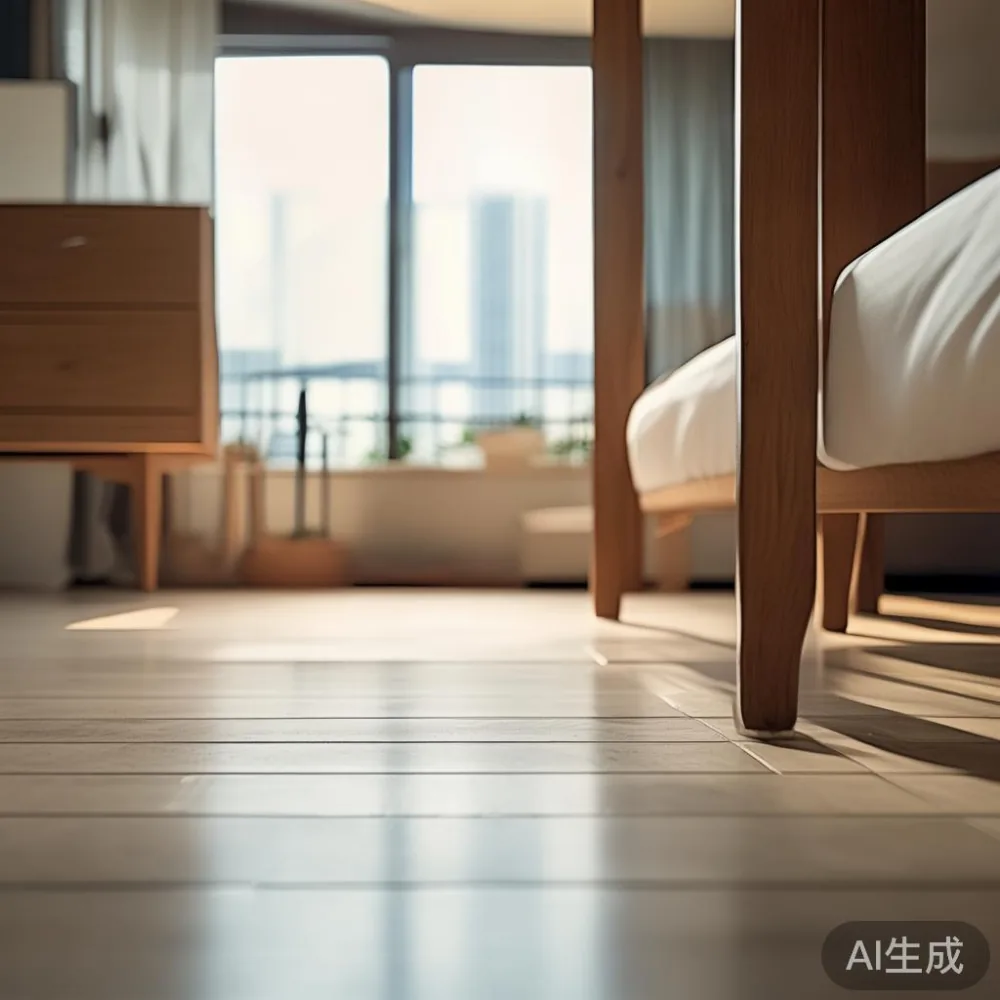
This guide explains how to look after lacquered surfaces in HDB flats and condos across Tampines, Bedok, Punggol and other Singapore districts. It is written especially for the first time buyer who wants clear instructions, sensible prices and a routine that fits a busy home.
As a furniture specialist with MIDHILL, I often meet buyers who admire a glossy finish but are nervous about maintaining it. Last month, I visited a family in Tampines who had placed a lacquered dining table about 60 cm from an open window. The room received strong afternoon sun, while the nearby corridor air-conditioning produced repeated condensation on the metal door handles. Within 3 weeks, the table’s edge had collected dull patches. Moving it 40 cm away, using a blind and wiping the surface every evening brought the finish back to an even appearance. The lesson was simple: placement and habits mattered more than expensive products.
What exactly is lacquer on furniture?
Lacquer is a cured surface coating that creates a smooth, often reflective layer over wood or another prepared base. It can feel more glass-like than a waxed or oiled timber finish. The surface may be glossy, satin or matte, but each responds differently to heat, water and abrasive materials.
Understanding the finish helps with the first stage of furniture care. Solid wood still moves with changes in humidity, so lacquer does not make a bed frame, dining table or wardrobe completely insensitive to its environment. The coating can also develop fine scratches if dust is dragged across it.
Ask the retailer for the finish type before you buy. A satin lacquer usually disguises small marks better than a high-gloss lacquer, while a matte surface may show oily fingerprints more readily. If you are comparing products, check the coating specification, the expected resistance to heat and water, and the available care instructions. The price should reflect the material, construction and finish—not merely the shine seen under showroom lighting.
For larger pieces, measure the route before delivery. A standard lift door in many Singapore apartment blocks is about 90 cm wide, although older or retrofit lifts can be narrower. A 120 cm solid wood sofa may need to turn through a lift lobby or corridor that is only 100–110 cm wide. A wardrobe assembled flat can be easier to carry than one delivered as a rigid cabinet. Likewise, a marble table should never be lifted by its top slab alone; its base and fixings need proper support.
How should a first time buyer prepare a lacquered surface?
Begin with the product’s care instructions and identify where the piece will live. For a dining table, avoid a position beside a frequently opened window where rain-driven humidity can reach the edge. For a wardrobe, allow at least 10–15 cm of ventilation space where practical, especially near a balcony. A nightstand should not sit directly against a cold condensation pipe or under an air-conditioning vent.
Before use, clean the surface with a soft microfibre cloth lightly dampened with water. The cloth should leave no visible droplets. Wipe in the direction of the grain or along a straight lacquered panel, then use a separate dry cloth. Test an inconspicuous 5 cm area first if the retailer is unsure about compatibility.
Protect the piece with materials that are clean and non-abrasive. Coasters with a smooth base are sensible under cups; a ring will not necessarily stain lacquer, but heat and coloured liquid can leave a mark. Felt pads under decorative objects reduce scratching. Avoid newspaper, ordinary printer paper and rough cotton because their surface can become abrasive after dampening.
For moving into a new home, do not place lacquered furniture directly on wet floors or in a freshly painted room. In Singapore, a coat of paint can release moisture for several weeks. Good ventilation and an air-conditioner can help, but allow approximately 2–3 cm beneath movable pieces and check them every 3–4 days during the first month.
Can I clean a lacquered surface with water or household cleaner?
Water is usually the safest starting point for light dirt, provided the finish is sound and the surface is wiped dry. A small amount of mild dishwashing liquid—about 1 teaspoon diluted in 500 ml of warm water—can help with oily fingerprints. Spray the solution onto the cloth rather than the furniture, then wipe and dry immediately.
Do not use vinegar, ammonia, bleach, acetone, alcohol-based cleaners or thick cream cleaners unless the manufacturer specifically approves them. These products can soften, cloud or dull lacquer. Avoid “furniture polish” with silicone, oil or heavy wax unless it is intended for that exact finish. Silicone creates a greasy film that can attract dust and may need several careful removals to disappear.
If the lacquer is already scratched, cleaning will not repair the missing coating. Do not rub the area aggressively with a magic eraser, steel wool or scouring powder. These methods can turn a 2 cm mark into a 10 cm matte patch. Photograph the damage under daylight, review the warranty, and contact the supplier before trying corrective products.
How can humidity and air-conditioning affect lacquer in Singapore?
Singapore’s tropical climate can place high demands on wooden furniture. Outdoor relative humidity often reaches 80–90%, while a heavily air-conditioned unit may bring indoor readings down to 50–60%. Repeated changes can make solid wood expand, contract or bow slightly, and a lacquered surface can show stress marks along joints or panel edges.
For a first time buyer, a hygrometer is more useful than an elaborate care kit. A basic model usually costs SGD 15–40. Aim for about 50–65% relative humidity in living areas where the finish is new. The figure is a practical range, not a substitute for the maker’s instructions. During very wet afternoons, close windows and curtains; during cooler periods, allow outdoor air to circulate without directing damp air straight onto the furniture.
Air-conditioning vents need distance too. A bed frame placed within 30 cm of a strong vent may develop uneven moisture across its headboard. A solid wood sofa near a living-room vent benefits from a stable position and periodic movement of cushions so one area does not stay compressed for months.
Leaking seals are a more immediate concern in Bedok and Punggol homes near the coast. If water reaches a lacquered surface, remove nearby objects, wipe the area and increase airflow. Do not place a heater or hair dryer against the wet finish. Heat can create a permanent cloudy ring within minutes.
What is the safest way to remove fingerprints, rings and spills?
Fingerprints are usually easier to remove than actual stains. Start with a clean microfibre cloth and a little diluted mild detergent. Wipe lightly, then dry with a second cloth. If a mark remains, a barely damp cloth with the same diluted solution can be used once more. Give the surface 15 minutes to dry fully before placing objects back.
For tea, coffee or red wine, act within 5 minutes. Blot—do not rub—with a clean white cloth. If the lacquer is sound, a small damp wipe may lift the residue. Rinse the cloth and repeat rather than applying more cleaner to a concentrated patch. A dining table protected by coasters and placemats will need less intervention.
Heat rings require caution. Do not place an ice cube directly on the mark; sudden temperature changes can damage lacquer. Use warm—not boiling—water on a clean cloth, and only if the finish and care guide allow it. For persistent damage, professional refinishing is more controlled than online DIY kits.
For a first time buyer, keep one dedicated care cloth in a drawer. A cloth used on kitchen counters may carry grease or abrasive particles. Replace it every 2–3 months in humid conditions, and wash it according to its care label without fabric softener.
How often should lacquered furniture be maintained?
A simple weekly wipe is enough for most active rooms. In a lightly used condo, wipe high-touch panels once a week and check under coasters and decorative objects once a month. Dining tables benefit from a quick wipe after meals, especially in humid weather. Bed frames, nightstands and wardrobes need attention along handles, drawer fronts and lower edges where moisture can settle.
Create a seasonal routine at 3-month intervals. Move a nightstand slightly, clean beneath it and inspect the corners of a wardrobe. Check that wardrobe doors still open evenly and that a bed frame has no looseness at the joints. For a dining table, inspect the underside every 6 months for moisture signs or pests. Do not slide a lacquered piece across a tiled floor; lift it with at least 2 people, even if its listed weight is below 50 kg.
Solid wood furniture also needs care beneath the finish. Avoid placing it against an exterior wall that receives little airflow, and do not trap damp towels against a wardrobe side. If a marble table is part of the same room, wipe its stone separately with a neutral stone cleaner and do not assume wood-safe products are safe for marble.
Can scratches be repaired without replacing the furniture?
Very light marks may become less visible after careful cleaning, but lacquer repair is different from filling a scratch in solid wood. Fine surface scratches can sometimes be reduced by a specialist with the correct abrasive grade, compound and polish. Deep scratches that expose the base, chips at an edge or broad dull patches usually need recoating or refinishing.
The repair method depends on the lacquer chemistry and colour. A clear-coat touch-up may not match a warm wood tone beneath it. For visible pieces, request a colour sample and test it on a hidden area, allowing at least 48 hours for full evaluation. Avoid sanding a table edge yourself; an uneven transition can be obvious under Singapore’s strong daylight.
This is where MIDHILL’s 10-year structural warranty and lifetime refinishing option can provide useful context for a first time buyer. Structural coverage addresses the frame and construction, while refinishing availability may depend on the product and service terms. Ask for written details about surface guarantees, lacquer coverage and expected repair timelines before purchase. Keep the order documents, care records and photographs of the finish.
Planning ahead may also influence product choice. Many owners searching for the best Minimalist bed for 2026 compare clean oak and walnut frames with subdued profiles. A solid wood sofa in matte or satin upholstery can be easier to live with than a very glossy coffee table. If you are deciding how to style European sofa in apartment living rooms, leave at least 60–90 cm between the sofa and dining chairs, and keep lacquered side tables away from busy traffic routes. Those practical details protect both appearance and circulation.
How should lacquered furniture be moved and stored?
Move lacquered pieces before severe weather events rather than waiting for a leak. In an HDB corridor, protect corners with 2–3 cm foam and wrap them in a breathable blanket or moving cover. Do not stick tape directly onto the finish; adhesive can lift lacquer or leave a residue. Secure doors and drawers, and use two people for most bedroom and dining furniture.
For long-term storage, the conditions matter more than the container. Keep furniture indoors in a dry, ventilated space with relative humidity near 50–65%. Raise pieces at least 10 cm from concrete floors, and leave space around wardrobes. Avoid wrapping solid wood tightly in plastic for more than 4 weeks because trapped moisture can encourage mould or finish defects.
Before placing a wardrobe in an HDB bedroom, check skirting boards, floor slopes and door clearances. Standard bedroom doors are often about 80–85 cm wide, so a 90 cm wardrobe door may not pass without adjustment. The supplier should check the lift, corridor turns and landing before delivery. A delivery fee of SGD 80–150 may apply to difficult access; confirm it in writing, along with any GST and lift-booking charge.
How do I choose furniture that is easier to care for?
Choose according to finish, placement and habits. Satin lacquer is often more forgiving in homes with children and pets than a mirror-gloss finish. Rounded table edges are less likely to chip. Drawer runners and door hinges should operate smoothly without forcing them. For a solid wood sofa, removable covers and washable seat cushions make cleaning easier than fixed upholstery.
Design and maintenance meet in questions such as how to style American sofa in bedroom layouts. A deep sofa needs roughly 90–100 cm of clear space in front, while a compact apartment arrangement may suit an 180–200 cm model. Coordinate the wood finish rather than matching every item exactly. French light luxury styling can work with pale oak, cream textiles and restrained metal details; post-modern light luxury may pair warmer walnut with simple curves.
Wardrobe comparisons also involve more than appearance. If you are wondering is Japanese wardrobe worth it, consider the sliding or hinged mechanism, internal width, humidity response and service support in Singapore. If you are asking is Italian light luxury wardrobe worth it, examine timber species, hardware, finish quality and after-sales care rather than relying on the country label alone. A light luxury TV console should have stable proportions and useful cable clearance; closed storage can also reduce visible dust around entertainment equipment.
What should I do if lacquer begins to peel or bubble?
Bubbling, lifting or peeling is not a routine cleaning problem. Photograph the affected area from 2 angles, stop using chemicals nearby, and keep the room ventilated. Move liquids and heat sources away, but do not scrape the coating. Contact the manufacturer or a qualified refinisher with the purchase date, warranty documents, photographs and a description of the room conditions.
Humidity, water ingress and incompatible solvents are common triggers, although the exact cause should be assessed rather than assumed. If a wardrobe is next to a balcony or a sink, inspect the wall and seals. If a dining table stands near an open window, review placement. A solid wood dining table with a lacquered top may need partial replacement of the coated board rather than a full structural replacement.
As a first time buyer, you do not need to become a finishing expert. You need 4 things: a soft cloth, mild detergent, coasters and a stable location away from direct sun and moisture. Spend 10 minutes each week wiping the surface, inspect edges every 3 months, and document any damage promptly. This measured routine helps lacquered furniture retain its clarity for years while fitting naturally into everyday Singapore life.