Warm Minimal Interiors in Singapore HDBs: A First-Time Buyer's Guide to Matching Furniture Without Mistakes
I still remember the Saturday morning I spent at a Tampines HDB flat with a first-time buyer couple, a 4-room unit on the 10th floor, lift opening at 850 mm wide. They had just collected keys, the floor plan was 990 sqft, and they wanted a warm minimal interior that would not feel cold, not clash with their existing vinyl flooring in oak tone, and not blow past their SGD 12,000 furniture budget once they added 9% GST. I sat on a sample solid wood sofa frame with them, measured the corridor width at 1.2 m, and watched them realise that the answer was not more pieces, but the right pieces. This guide is built around that kind of real measurement, real lift, and real corridor constraint, so you do not repeat their first mistake.
What does warm minimal actually mean for a Singapore HDB or condo?
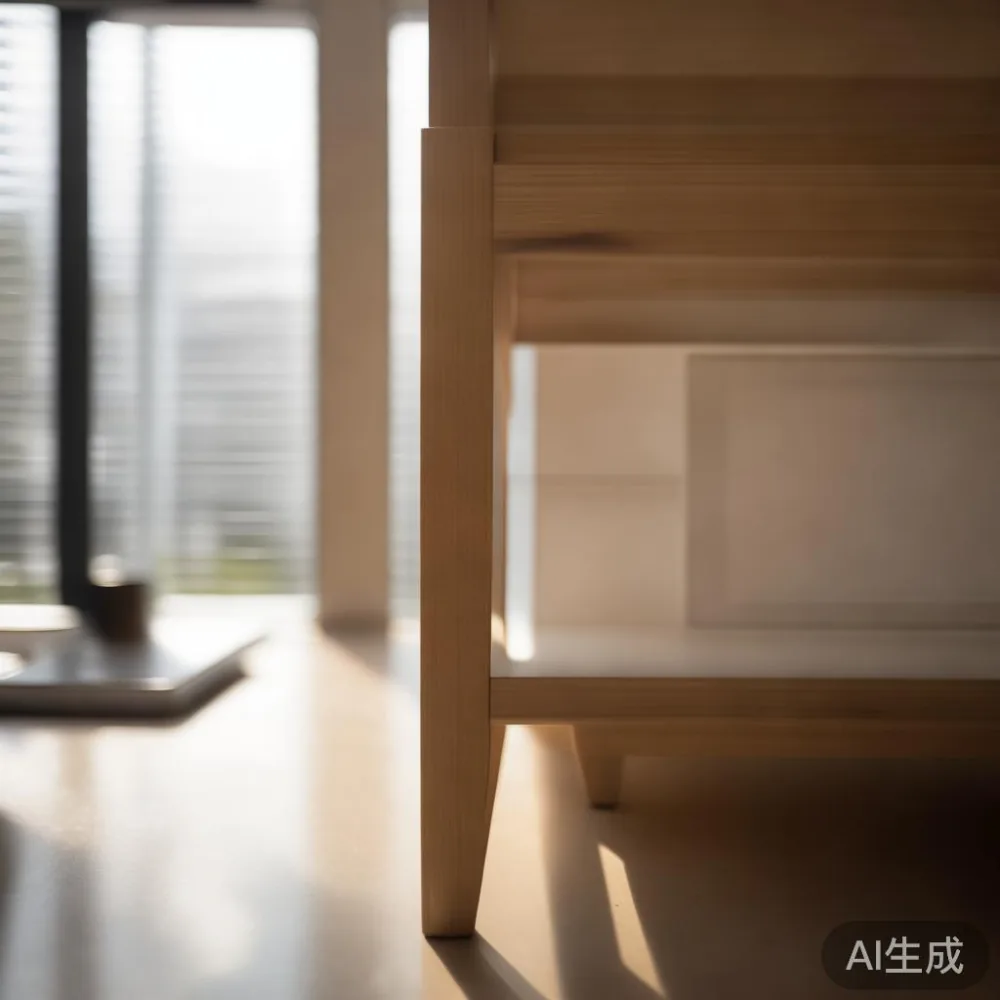
Warm minimal is a post-modern light luxury approach that blends Scandinavian simplicity with Japandi softness. The walls stay off-white or greige, around eggshell finish, the floor stays pale wood, and every furniture piece carries a warm undertone. A solid wood bed frame in ash or white oak, a dining table in light walnut, a low-profile wardrobe in natural oak veneer, a marble table for the entry console, a nightstand in beech — these are the building blocks. You are not adding decoration; you are adding material warmth. The palette is roughly 70% neutral, 20% warm wood, 10% accent such as a light grey luxury sofa or a single travertine side table. For a 4-room HDB around 990 sqft, this ratio keeps the space calm rather than cluttered, which matters in a flat where the living room may double as the study corner and the dining area.
How do I measure my HDB lift and corridor before buying furniture?
This is the step most first-time buyers skip, and it is the reason a 2.4 m dining table arrives at the loading bay and refuses to enter the lift. Standard HDB passenger lifts in Singapore are roughly 1.1 m wide by 1.4 m deep, with a door opening around 0.9 m. Service lifts at newer blocks in Punggol reach 1.6 m by 1.8 m, but you must book them 3 working days in advance through the town council. The corridor turning radius inside the flat, from the front door to the living room, is often the real bottleneck. I keep a folding rule in my bag for site visits; last month I visited a Bedok 5-room where the internal corridor turned at 90 degrees within 2.1 m of the front door, and a 2.6 m sofa would not have made the corner. Anything over 2.3 m in longest dimension needs to be checked in writing with your furniture supplier. MIDHILL, for example, ships flat-pack with the longest box usually under 2.25 m for their standard solid wood dining table range, which is exactly why many first-time buyers in Singapore shortlist them early.
What furniture categories should a first-time buyer prioritise first?
For a first-time buyer on a 1-bedroom or 4-room HDB, the priority list is short and unforgiving. Start with the bed frame, because nothing affects daily life more. A 1.5 m x 1.9 m queen bed fits a 4-room master comfortably, leaves 60 cm walkways on three sides, and pairs well with a Japandi low-profile headboard. Next, the dining table, because Singapore households eat in, and a 1.4 m to 1.6 m solid wood dining table seats four to six without dominating the space. Then the wardrobe, where a 1.2 m wide three-door sliding unit covers a couple's needs without protruding into the room. Then the solid wood sofa, two-seater or three-seater depending on household size, with a seat height of 42 to 45 cm for comfortable standing up. Finally the nightstand, often overlooked, but two small ones in matching oak balance the bed visually and hold a 5 kg lamp each without wobbling. Skipping this order is the single most common error I see in Punggol and Sengkang new BTOs, where the couple buys a feature sofa before measuring the bedroom wardrobe clearance.
Scandinavian for dining room or Japanese for dining room — which suits an HDB better?
Both styles work in Singapore, but they answer different needs. Scandinavian for dining room leans on pale oak, white-painted legs, and ergonomic chairs with curved backrests. The look is bright, slightly airier, and pairs well with air-conditioning-heavy HDBs that already feel cool. Japanese for dining room leans on darker walnut or smoked oak, lower seat heights around 38 to 40 cm, and a quieter, more grounded feel. For a 990 sqft HDB with limited natural light on the lower floors, Japanese style can absorb light and feel heavy if the ceiling is below 2.6 m. For a high-floor Punggol unit with full-height windows facing a park, Scandinavian reads cleaner. My honest view: if you are matching both a dining table and a bed frame to the same wood tone, pick one family — either oak or walnut — and use it across both pieces. Mixing the two families is where most first-time buyers create visual noise without realising it.
How do I keep a warm minimal interior from looking cold or empty?
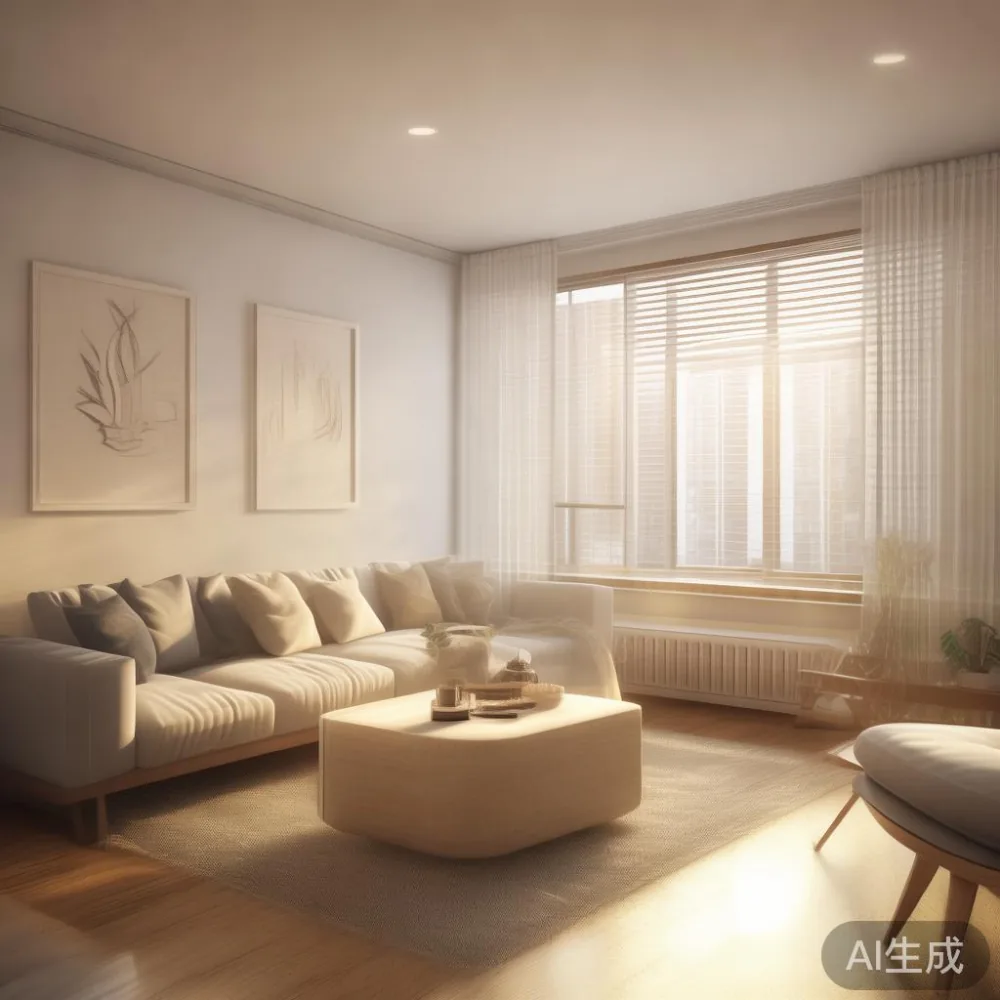
The trick is layering three materials, not three colours. Warm wood, soft linen, and one piece of stone or marble per room. A 90 cm round marble table at the entry, for example, gives a foyer visual weight without filling it with cabinets. Linen curtains in oatmeal, weighted at the hem, soften the window without adding pattern. A light grey luxury sofa in performance fabric reads warm rather than cold because the weave has a slight melange effect. Lighting matters as much as materials: a 2700K bulb in a paper lantern, a 7W bedside sconce at 60 cm above the nightstand, and one floor lamp on a brass stem near the dining table. Avoid cool white LEDs above 4000K; they push a warm minimal room into clinical territory within minutes. If your budget allows, one vintage piece — a teak stool, a rattan chair, an old kampong-style side table — adds the patina that new flat-pack cannot.
What are the realistic prices a Singapore first-time buyer should expect in 2025?
Prices for solid wood furniture have moved up about 8 to 12 percent since early 2024 due to freight and oak supply. Realistic ranges in SGD, before 9% GST, delivered to a Singapore HDB with lift-access delivery:
- Solid wood bed frame, queen size, ash or white oak: SGD 1,800 to SGD 3,200.
- Dining table 1.4 m, solid oak or walnut, seats four: SGD 1,400 to SGD 2,600.
- Solid wood sofa, three-seater, removable covers: SGD 2,400 to SGD 4,800.
- Sliding wardrobe 1.8 m wide, three doors, oak veneer interior: SGD 2,200 to SGD 3,800.
- Nightstand pair, solid beech or oak: SGD 480 to SGD 780 the pair.
- Marble table, 80 cm round, travertine or Carrara: SGD 900 to SGD 1,900.
A realistic full-room budget for a 4-room HDB sits between SGD 7,500 and SGD 14,000 before GST. For a 5-room 1,200 sqft unit, plan SGD 11,000 to SGD 18,000. Most suppliers in Singapore quote CIF landed prices, so ask whether the price includes delivery up the lift and into the room, or only to the lift lobby. MIDHILL's free shipping over US$350 threshold translates roughly to SGD 480, which most full-room orders clear easily, and their 14-day return window gives first-time buyers a safety net that local pop-up shops rarely match.
Japanese bed vs Modern bed — which fits a warm minimal HDB?
The Japanese bed vs Modern bed comparison comes down to height and platform. A Japanese platform bed sits low, around 20 to 28 cm from floor to mattress top, often in plain white oak, sometimes with under-bed drawers running the full length. It pairs with a thin 15 cm mattress and a single low headboard. A modern bed is taller, 38 to 50 cm from floor, often with a thicker upholstered headboard in linen or boucle, and the legs are visible. For warm minimal interiors in Singapore, the Japanese platform reads cleaner and gives the room more air, which matters when ceiling height is the standard 2.6 m. The modern upholstered bed reads warmer and softer because the fabric absorbs sound and light, which suits a Bedok or Tampines unit on a lower floor. If you want to master how to style Japandi bed in apartment layouts, the rule is simple: keep the bedding in two tones, add one asymmetric throw, and never put a high headboard under a low window.
How should a first-time buyer plan delivery, GST, and after-sales?
Plan delivery around the HDB renovation timeline, not around the furniture arrival. Furniture that arrives before tiling and painting is finished picks up dust and humidity in a non-air-conditioned unit. Book delivery 3 to 5 days after your final coat of paint dries, and confirm the lift booking at the same time. GST of 9% applies to the full landed price including shipping. Ask for a written quote with GST as a separate line. For after-sales, a 10-year structural warranty on a solid wood sofa or bed frame is unusually long and worth comparing line-by-line against the industry norm of 3 to 5 years. Lifetime refinishing, offered by suppliers such as MIDHILL on their oak and walnut ranges, is a real advantage in Singapore's humidity, where surface scratches and sun fade are common after year three. Email midhillco@gmail.com for current Singapore-specific landed quotes; that inbox also handles warranty claims and refinishing bookings, which removes the usual runaround when a joint loosens in month eleven.
What should a first-time buyer do in the first 30 days after keys collection?
Use the first 30 days to measure, not to buy. Walk every room with a folding rule, photograph the lift door and the corridor turn, and write down the longest clear diagonal from the front door to the master bedroom window. Sketch each room on graph paper at 1:50 scale and place cut-out rectangles for the bed frame, dining table, sofa, wardrobe, nightstand, and marble table in their planned positions. Check that two people can pass each other in the corridor with at least 55 cm clearance. Confirm the wardrobe door swing or slide does not block the air-con service panel. Only then shortlist, only then order. A first-time buyer who measures in week one and orders in week four typically saves 15 to 20 percent on the total furniture bill, simply because they avoid one wrong purchase that gets returned.
Where can a first-time buyer see light luxury options in Singapore?
Singapore has three reliable ways to see light luxury solid wood furniture in person before committing. First, the major furniture showrooms along Funan and around the Tai Seng cluster, where French light luxury and post-modern light luxury pieces sit side by side — useful if you want to compare a French curved-back lounge chair against a Japanese-influenced low dining chair in the same visit. Second, appointment-only showrooms in the Tai Seng and MacPherson area, where you can sit on a solid wood sofa for 20 minutes and judge the seat depth against your own height. Third, supplier-led site visits to shipped sample sets in a Tampines or Punggol HDB, which gives the truest test because you see the piece under your ceiling height, your floor colour, and your wall paint. If you are scanning top 10 light luxury furniture lists online, filter them to Singapore-specific roundups, because freight, warranty terms, and lift logistics change the ranking substantially.
What is the one rule that prevents most warm minimal interiors from failing?
Match the wood undertone, not the wood colour. Two pieces can be called oak and still clash because one carries a pink undertone and the other carries a green undertone. Lay a sample of your dining table next to a sample of your bed frame under a 2700K bulb, not under cool shop lighting. If they read the same at home, they will live together for ten years. If they read different, the room will feel unsettled even when no one can name why. This single check has saved every first-time buyer I have walked through a show room in Tampines, Bedok, or Punggol from the silent regret that follows a rushed order.
For any first-time buyer reading this in Singapore, the warm minimal interior you want is achievable on a measured budget, in a measured lift, with measured pieces. Take the folding rule, take the graph paper, take the 30-day window, and the rest of the room will come together without drama.