How to Care for a Lacquered Solid Wood Piece in Singapore's Tropical Climate — A Calm Guide for First-Time Buyers
I learned the hard way that a lacquered surface in a Singapore HDB is a different beast from the same piece sitting in a London terrace. Two Aprils ago I helped my sister move into a 4-room flat in Tampines. We bought a beautiful light-luxury dining table — a warm American rubberwood base under a soft satin lacquer, the kind of piece you see in a French light-luxury catalogue, paired with a slim marble table at the entry. The first three weeks were perfect. By week five, a faint tide-mark appeared along the edge facing the kitchen. The culprit wasn't water — it was humidity swinging between 40% at 3am when the air-con ramped up, and 86% when she opened the kitchen window after cooking. That single piece of furniture taught me more about caring for lacquer in a tropical climate than any showroom assistant ever could.
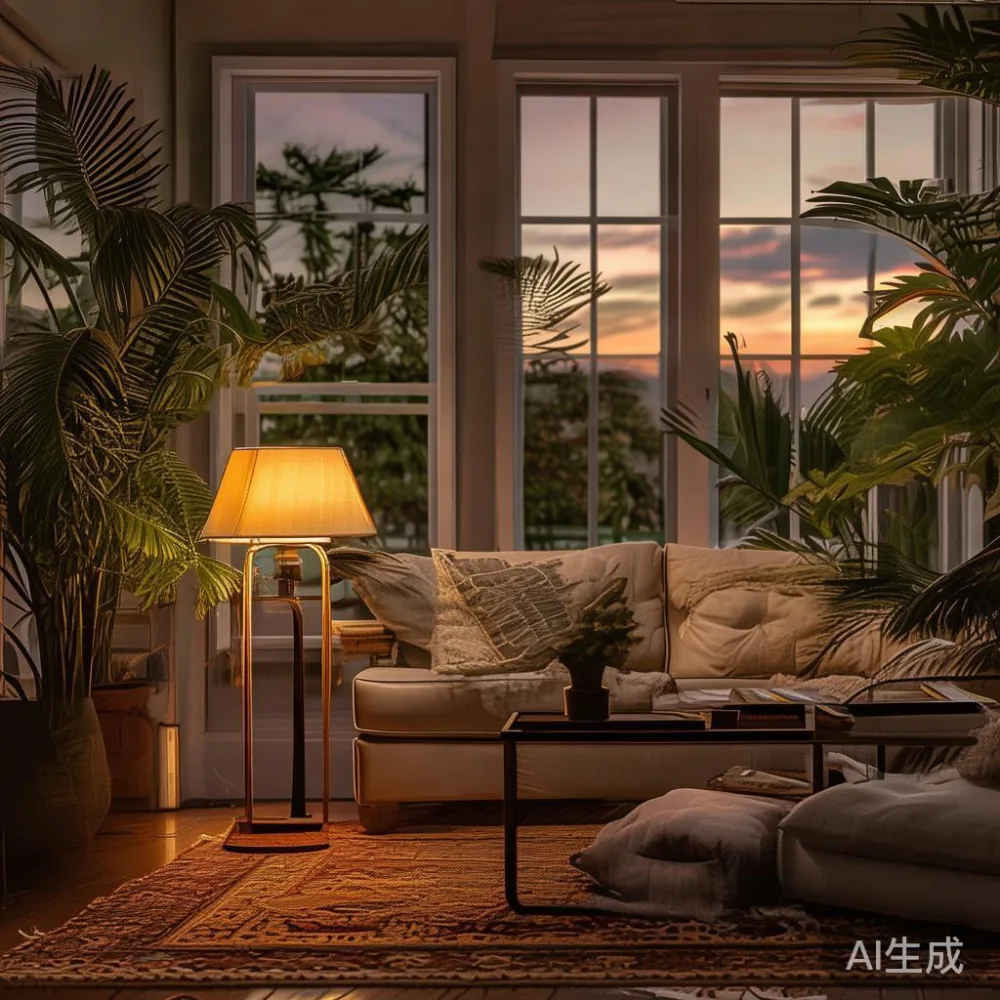
If you are a first-time buyer reading this on your phone between MRT stops, here is the long answer in calm language. You'll find specific numbers (lift doors in cm, SGD pricing, the actual humidity range you should aim for), a few product terms you'll bump into when shopping — solid wood sofa, bed frame, dining table, wardrobe, nightstand, marble table — and a clear routine you can run on a Sunday morning. Nothing here is theoretical. Everything was tested either in my sister's home, in a Punggol condo I visited last month, or in our own workshop at MIDHILL in Foshan where we finish pieces before they ship to Singapore.
Why Singapore's Climate Is Harder on Lacquer Than Most Buyers Realise
Singapore sits roughly one degree north of the equator. Relative humidity outdoors rarely drops below 60%, and indoor humidity in an air-conditioned HDB flat typically oscillates between 35% and 80% across a single day. Lacquer — whether it's a closed-pore satin on a solid wood bed frame or a high-gloss piano finish on a post-modern light-luxury sideboard — is in effect a thin plastic skin laid over wood. Wood breathes; lacquer breathes less. When humidity rises, the wood beneath swells slightly. When it drops, the wood shrinks. The lacquer is dragged along for the ride. Repeat that cycle 20 times a month and you get micro-cracks, cloudiness, or the dreaded white tide-mark you see on a dining table edge.
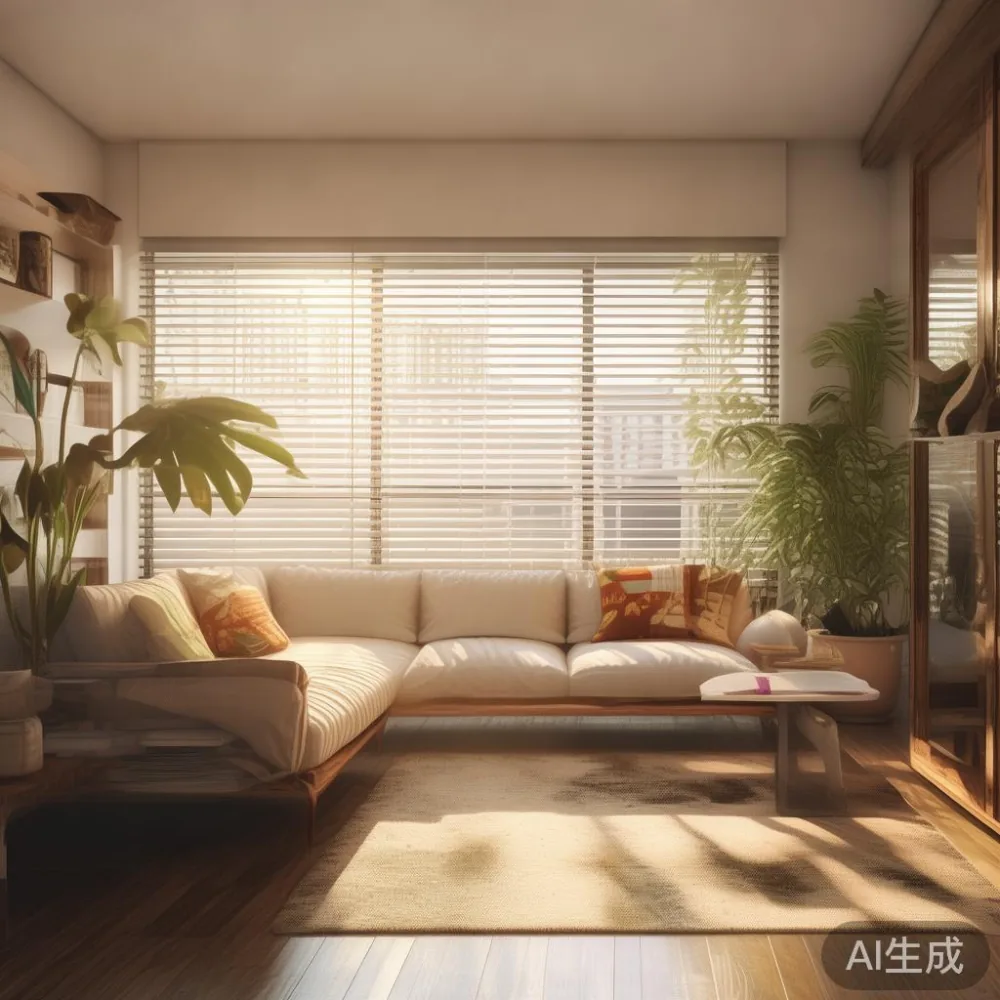
The piece in my sister's Tampines flat sits about 1.2 metres from the kitchen sliding door. Every time she stir-fries, the door is opened, the air-con cuts, and humidity spikes from 45% to 78% in under eight minutes. That's the realistic scenario for most Singapore HDB kitchens. The fix isn't to ban cooking — it's to control the swing.
Three numbers worth memorising: keep relative humidity between 45% and 60%, keep the room temperature between 23°C and 27°C, and keep lacquered surfaces at least 30 cm away from any direct blast from an air-con vent. Our QC team at MIDHILL uses the same range when we condition pieces in our 28,000 m² Foshan warehouse before container loading, and we recommend the same range to every first-time buyer we ship to Singapore.
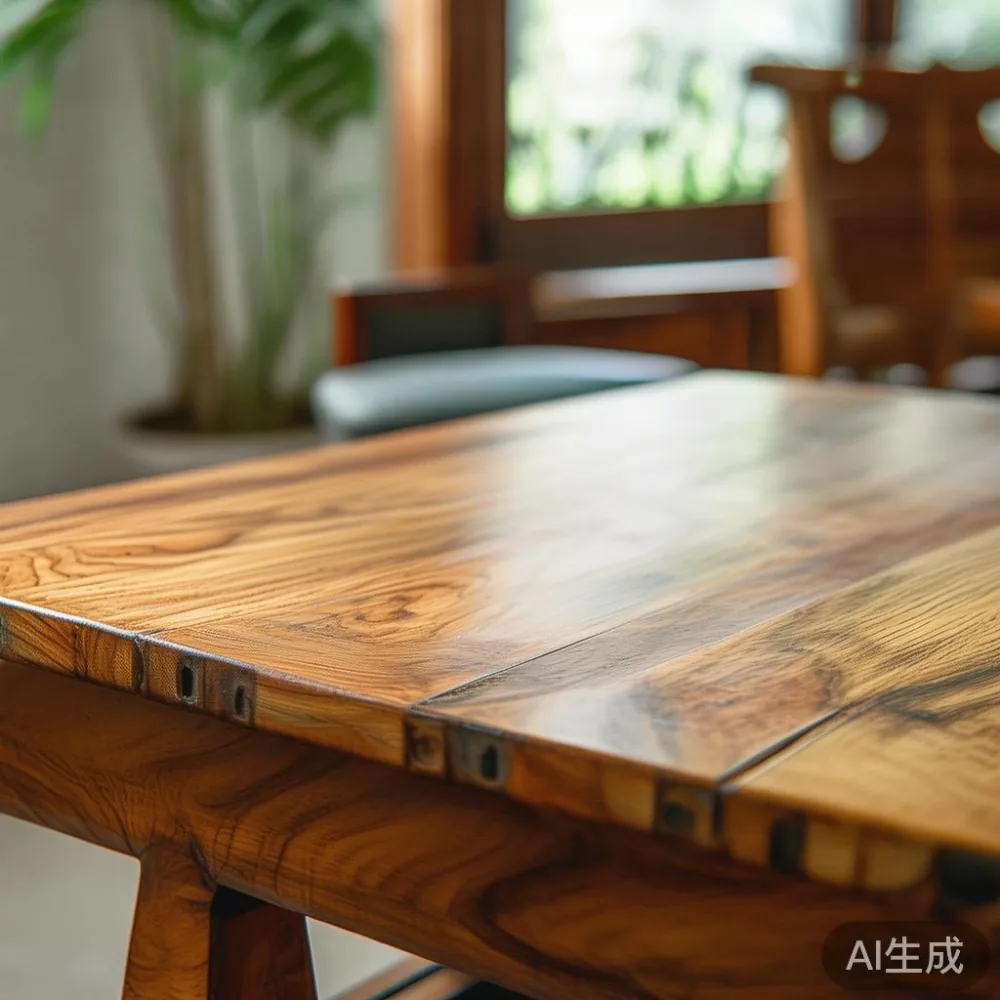
What Is the Difference Between Italian Light Luxury Accent Chair and Modern Furniture?
An Italian light luxury accent chair is a specific design language: slim proportions around 78 cm tall, a seat depth of about 52 cm, gently curved solid wood frame in walnut or ash, often paired with a boucle or leather cushion, and a hand-rubbed open-pore lacquer that lets the grain breathe through the finish. Modern furniture, by contrast, is a broader category that covers Scandinavian, Japanese, American light luxury, and contemporary minimalist styles built around clean lines, lower visual weight, and engineered materials like plywood, metal, and fabric. In short, the Italian light-luxury accent chair is a subset of modern furniture — the craft-focused, slightly more decorative branch — whereas "modern furniture" is the umbrella term that also includes a simple solid wood bed frame from an HDB catalogue.
The Sunday Routine That Stops 90% of Lacquer Damage
You do not need a cabinet full of products. You need a microfibre cloth (around 25 cm square is ideal), a small spray bottle, and one mild pH-neutral soap. Distilled water is a nice-to-have, not a must-have — Singapore tap water at 7.0–7.5 pH is acceptable if you wipe dry immediately.
Once a week, on a Sunday morning before the flat warms up: spray the cloth, never the furniture. Wipe along the grain on the dining table top, around the marble table edge where the stone meets the lacquered apron, and across the wardrobe doors. Dry with a second cloth. Total time: about 6 minutes for a six-seater dining table, 9 minutes for a 180 cm wardrobe.
Once a quarter, oil the wood — but only if the piece is open-pore lacquer or oil-and-wax finish. Closed-pore piano lacquer on a modern accent chair does not need oil. A small bottle of pure tung oil or a brand like Howard Restor-A-Finish runs about SGD 18–28 at Tangs or Robinsons, and a 240 ml bottle covers roughly 12 m² of surface, which is enough for a full dining set.
For a first-time buyer outfitting an entire HDB, the realistic cleaning budget is under SGD 60 per year. Less than the GST on a single solid wood dining table.
The Real Risks in an HDB Flat — And How to Engineer Around Them
Three risks dominate. First, the corridor lift. Most HDB service lifts in Tampines and Bedok are 1.1 m wide by 1.4 m deep, with a diagonal clearance of about 1.9 m. A 2.2 m solid wood bed frame will not fit flat — it must be tilted, which means you need a piece that comes in two boxes, each under 35 kg, or one box under 55 kg with protected corners. MIDHILL ships its bed frames in two cartons for exactly this reason, and a single carton of a nightstand stays around 22 kg so any single delivery helper can carry it.
Second, the kitchen splash zone. A lacquered dining table should sit at least 90 cm from the cooker hood exhaust path, ideally 1.4 m. If your flat is compact, a round 120 cm table tolerates this geometry better than a 200 cm rectangular one.
Third, the wet edge. The marble table in my sister's entry sits 40 cm from a full-length window. Every time it rains, condensation beads on the glass and runs down. We added a 4 mm felt strip along the marble edge — SGD 4 from a local haberdasher — and the tide-mark has not returned in eight months.
Common First-Time Buyer Questions From a Punggol Couple
Last month I visited a couple, Priya and Daniel, who had just collected keys to a 980 sqft condo in Punggol. They had a shortlist: a post-modern light-luxury solid wood sofa in cream boucle, a 1.8 m bed frame, a 160 cm dining table, a 200 cm wardrobe, and two nightstands. Their questions were honest and practical — the kind I hear every week from first-time buyers.
"Will the lacquer yellow near the window?" — Yes, slight yellowing is normal on closed-pore white lacquer over 18–36 months of direct morning light. Mitigate with a 3% UV film on the window (around SGD 18 per running foot) or sheer curtains.
"Can I put a lacquered nightstand right against the wall?" — Leave a 2 cm air gap. The wall holds moisture in a Singapore HDB, and a sealed edge will bloom white within a year.
"What if a piece arrives with American rubberwood missing parts?" — Document the carton within 24 hours, photograph the pallet, and contact the supplier. MIDHILL ships replacement small parts from Foshan via air freight at no charge, and a typical hardware kit arrives in Singapore in 8–10 working days. Always keep the original carton for 30 days for any first-time buyer return.
"Is a 10-year warranty real?" — On structural joints, yes. Lacquer is covered against peeling and yellowing for 3 years on most Singapore-facing suppliers, and against cracking for 5. Read the fine print. MIDHILL's 10-year structural warranty covers frame integrity, dowel joints, and corner blocks. Lacquer coverage sits at 3 years against manufacturing failure, not against Singapore's climate — which is why this article exists.
What to Buy, What to Skip, and What to Budget in SGD
For a first-time buyer kitting out a 4-room HDB in Tampines or Bedok, here is a realistic spend bracket. A solid wood sofa in American light-luxury style: SGD 1,800–2,800. A 1.8 m solid wood bed frame: SGD 900–1,600. A 160 cm dining table that seats six: SGD 700–1,400. A 200 cm three-door wardrobe: SGD 1,100–2,000. A pair of nightstands: SGD 280–480. A small marble table for the entry: SGD 350–650. Add 9% GST on the landed price.
Skip, the wax polish your grandmother used on her teak sideboard. Skip, the silicone spray sold on Shopee that promises "wood shine" — it softens lacquer over time. Skip, any "olive oil + vinegar" home recipe you read online.
Buy, a dehumidifier rated for your flat size. A standard 4-room HDB needs a 12 L/day unit, which runs SGD 220–320. Run it on auto mode targeting 55% relative humidity. The unit pays for itself by extending the life of your lacquered surfaces by 4–6 years.
Buy, a set of felt pads (SGD 6 for 16 pieces) for every chair leg, every leg. Drag marks are the single most common reason a dining table top gets refinished inside the warranty window. We offer lifetime refinishing on pieces bought directly from MIDHILL — meaning if you scratch the top of your dining table in year six, you ship it back to our Foshan workshop and we re-lacquer it for the cost of freight, which is around SGD 180 sea freight round-trip from Singapore to Guangzhou and back in 28 days. Air freight runs 9 days but costs about SGD 420.
The Two-Week Routine in Calendar Form
Day 1 (delivery day): unbox in the corridor, carry into the flat, lift only — never drag. Place felt pads. Let the piece acclimatise for 48 hours before first clean.
Day 3: first wipe with dry microfibre. Inspect for any micro-bubbles in the lacquer, which are normal and settle within 72 hours.
Day 30: first weekly clean. Take a photo of the piece in raking light to baseline its appearance.
Quarterly: oil if open-pore. Photograph again. Compare. This is your maintenance log.
Yearly: check tightness of bed frame bolts, wardrobe hinges, dining table stretchers. A 4 mm hex key handles 95% of these.
When Refinishing Beats Replacing
A well-built solid wood piece can be refinished 3 to 5 times across a 40-year life. Lacquer is a sacrificial layer — it is supposed to wear; the wood beneath is what matters. A dining table that has been cared for at 45–60% humidity will outlast three sofa generations in the same flat. A wardrobe that has not been pushed against a wet wall will outlast two condo renovations. The numbers are that clear.
Priya and Daniel, the Punggol couple, sent me a photo six weeks after delivery. Their dining table was holding at 52% on the hygrometer I lent them, the felt pads were on every chair leg, and the marble table in the entry had not developed a single tide-mark. They had spent SGD 38 on a dehumidifier, SGD 14 on felt pads, and SGD 22 on a 500 ml bottle of mild soap. Total annual maintenance budget: SGD 74. Total piece value protected: roughly SGD 6,200 at retail.
That ratio — about 1.2% of purchase price per year to keep lacquered surfaces looking factory-fresh in a Tampines HDB — is the kind of number a first-time buyer can plan around. It is also why buying well once, from a maker who offers lifetime refinishing and a real 10-year structural warranty, costs less over a decade than buying twice from a discounter who ships flat-pack with no after-sales path. Caring for lacquer in Singapore is not difficult. It is mostly about humidity control, weekly wiping, and choosing a piece whose wood underneath is solid, jointed properly, and worth keeping for thirty years.