Southeast Asian Humidity: A Guide for Solid Wood Furniture Buyers
Singapore’s warm, humid climate can make a beautiful solid wood dining table swell, a bed frame develop small gaps, or a wardrobe door catch in its track. That does not mean solid wood is unsuitable here. It means a first time buyer should understand moisture, airflow, finishes, and delivery logistics before choosing furniture for an HDB flat or condo in Tampines, Bedok, Punggol, or anywhere else in Singapore.
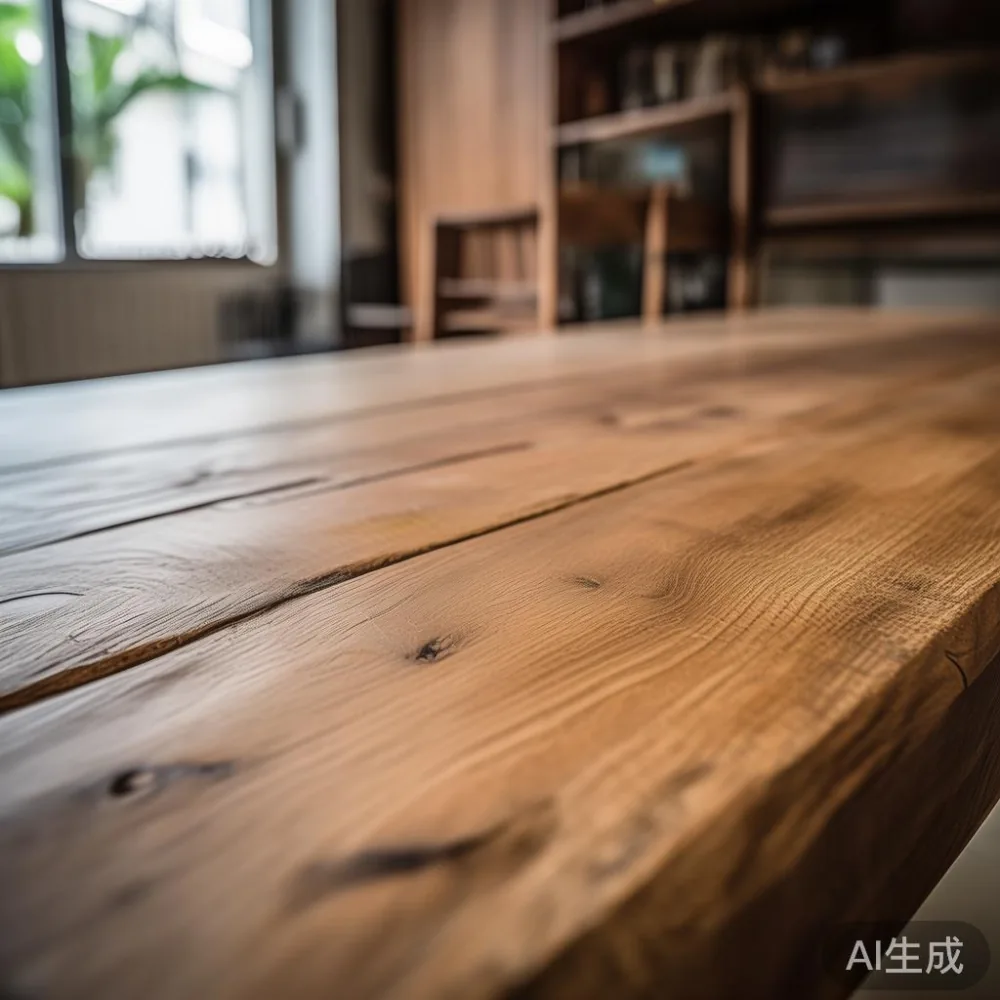
This guide explains how relative humidity affects timber, what changes at the level of a dining table, bed frame, wardrobe, nightstand, or solid wood sofa, and how a first time buyer can protect a furniture investment without turning every room into a climate-controlled showroom. Prices below are in SGD and include the 9% GST where stated.
Why does Singapore humidity change solid wood furniture?
Wood is not a inert building material. It absorbs atmospheric moisture through its exposed surfaces and releases it when the air becomes drier. In practical terms, relative humidity is the percentage of moisture the air can hold at a given temperature. Singapore’s outdoor readings often range around 70–90% during more humid periods, while air-conditioned interiors may remain near 50–65%.
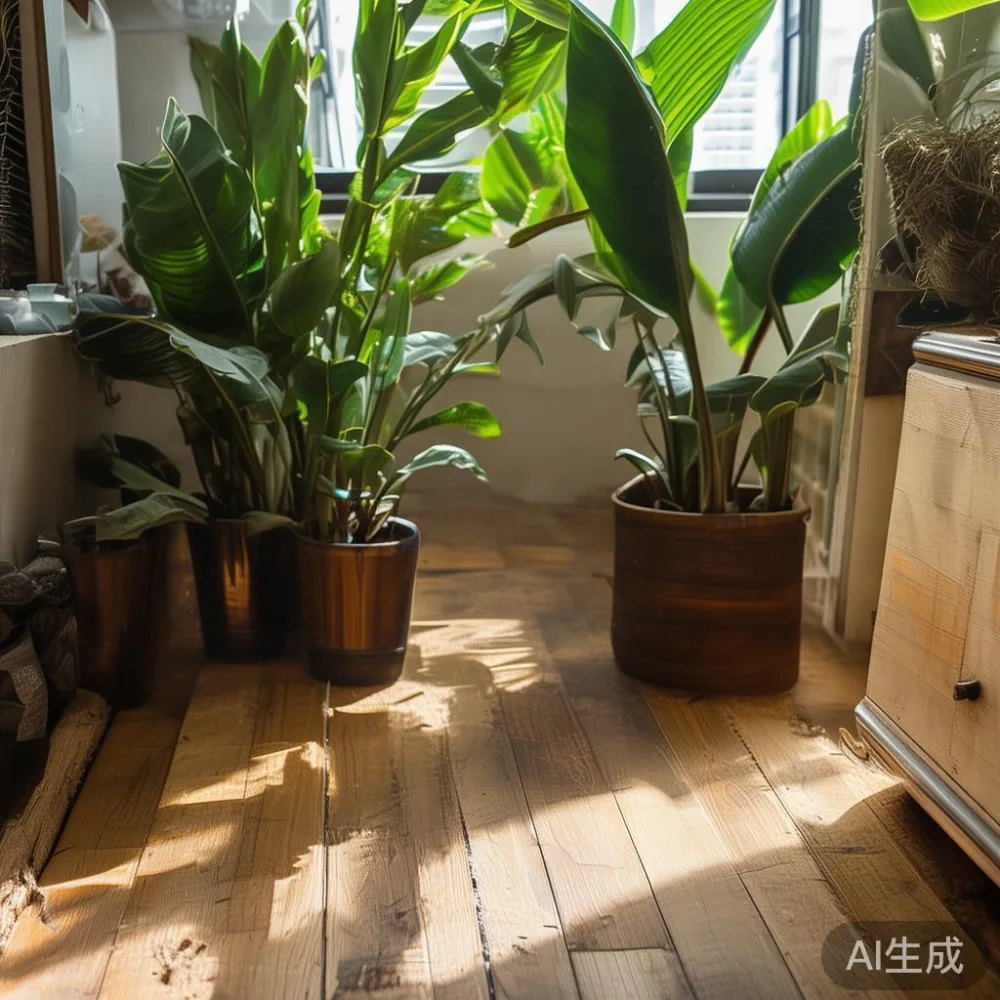
That difference matters because timber responds to its surroundings. A solid oak dining table may move by roughly 1–3 mm across its width as humidity changes. A solid wood bed frame may tighten slightly, while a wardrobe door may shift by around 1–2 mm and rub against its frame. These are normal dimensional responses, not usually a structural failure.
The movement is more pronounced in wide, flat components: a 200 cm dining table top has more width to expand than a 45 cm nightstand. Solid wood is also different from a fully sealed panel product. A well-applied finish slows moisture exchange, but it cannot make wood permanently moisture-proof.
How much humidity is safe for furniture in an HDB flat or condo?
For most indoor solid wood furniture, a relative humidity reading of about 45–65% is a sensible target. Short periods above 65% are manageable when the home is ventilated, but persistent readings above 75% call for more attention. Below about 40%, wood can lose moisture and shrink, which may create fine checking lines in a tabletop.
Place a calibrated hygrometer near the furniture rather than relying on a weather app. Position it around waist height, away from direct air-conditioning vents, open windows, and bathroom doors. Take readings at 8 a.m. and 8 p.m. for 7 days. The gap between the two readings reveals how stable the room really is. In an HDB flat, a living room next to a laundry yard may fluctuate more than a bedroom in an upper-floor condo unit.
A first time buyer should treat these numbers as a maintenance plan, not a pass-or-fail test. If the dining table sits in a room that remains between 55% and 70%, use coasters, wipe spills promptly, and leave 5–8 cm of breathing room from walls. For a wardrobe beside a sliding window, keep the unit closed during heavy rain and run the room’s dehumidifier if the reading stays above 75% for several days.
Which furniture pieces react most strongly to humidity?
Large tabletops and long planks require the most care. A solid wood dining table with a 180 cm top and four solid legs can develop seasonal movement of approximately 1–3 mm. Do not clamp it tightly between a wall and a sideboard. Leave 3–5 cm on each side where possible, or plan the layout so expansion has space.
A solid wood bed frame responds mainly through its rails, joints, and slat support. In a humid room, inspect the center support every 6 months and tighten bolts only when a joint has genuinely loosened. Over-tightening can restrict natural movement. A slatted base also allows airflow beneath the mattress, which helps reduce trapped moisture.
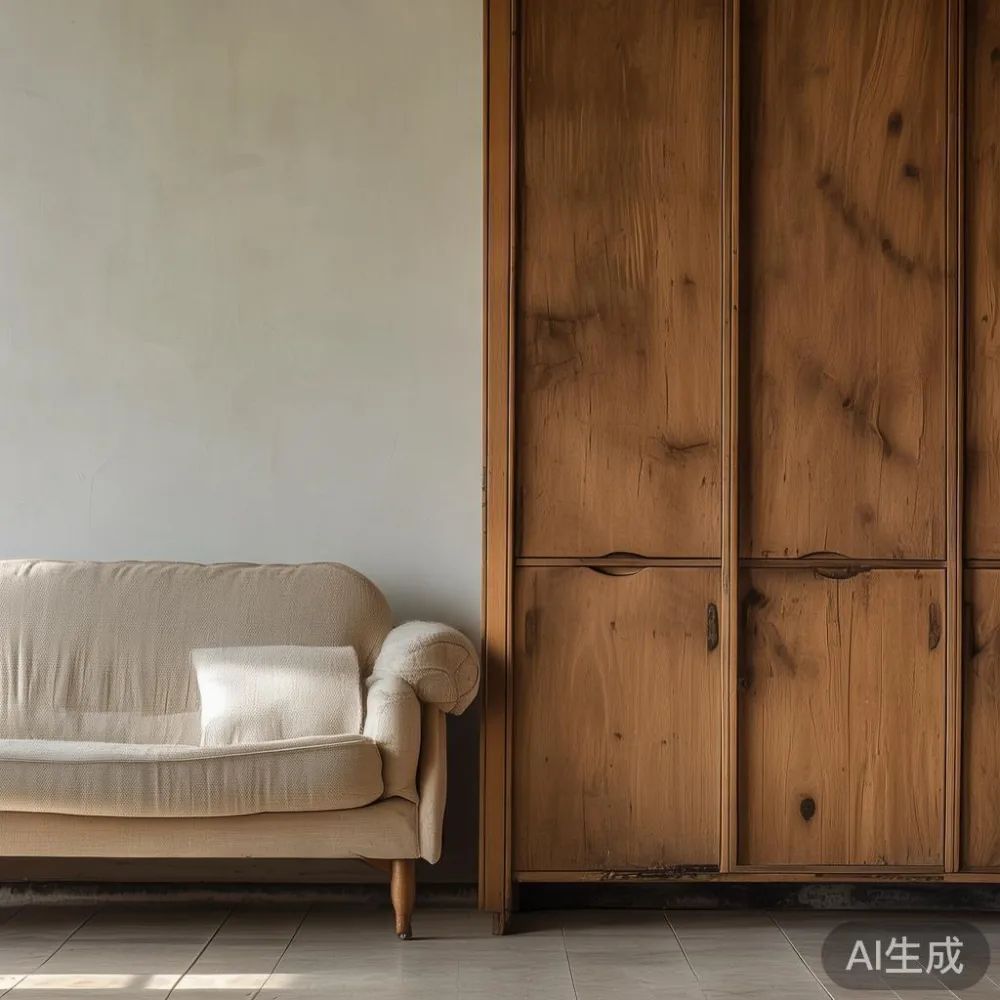
Wardrobes need slightly different attention. Check that doors clear the carcass after a rainy week and clean the lower track with a dry brush every 3 months. A solid wood nightstand should not be pushed hard against a cold exterior wall. Use coasters for wet cups and keep liquids away from untreated edges. A solid wood sofa with removable cushions should have its seat pads rotated every 2–3 weeks.
Marble table tops also belong in this conversation, although marble is not timber. The stone itself does not expand like wood, but its supporting frame and fixings do. A marble dining table should sit on a level surface, with its protective barrier intact and no water collecting around the metal connectors.
What should a first time buyer ask about timber, finishes, and warranties?
Ask whether the piece is solid wood, solid wood veneer, or engineered wood, and identify the species. Rubberwood, oak, ash, and other hardwoods have different densities and movement patterns. It is also useful to ask whether the back, underside, drawer interiors, and slats use the same material described on the product page.
For Singapore, a satin water-based finish or a properly cured hardwax oil can be practical, provided the maker explains the maintenance routine. Gloss lacquer is easier to wipe clean, while an open-grain oil finish may need refreshing every 12–24 months depending on use and humidity.
MIDHILL offers a 10-year structural warranty and lifetime refinishing for qualifying products. Ask for the refinishing scope in writing, including whether the service covers scratches, water marks, seam adjustments, or only wear related to normal use. A solid wood sofa, dining table, bed frame, wardrobe, or nightstand should arrive with assembly instructions, care guidance, and replacement hardware where possible.
For a first time buyer, after-sales support is as important as the photograph. Confirm the delivery date, expected delivery days, lift-access requirements, and return window before payment. MIDHILL provides 14-day returns and free shipping for orders over US$350, although the checkout currency and final Singapore delivery quote should still be checked carefully because local pricing is normally shown in SGD, with GST applied where applicable.
Can delivery through narrow HDB lifts and condo corridors cause damage?
Yes, delivery is part of the furniture story. A dining table packed in a carton 210 cm long may fit a standard HDB lift diagonally, but it may not turn through a tight corridor. A bed frame may arrive as compact components, while a large wardrobe can require two couriers and 45–90 minutes of carrying.
Measure the lift car, lift door, landing, corridor turns, and staircase before the order is dispatched. Note the door width in centimetres, the lift’s internal diagonal, and the narrowest corridor section. Photograph these measurements and send them to the supplier. For example, a 90 cm lift door and a 110 cm corridor may accept a 180 cm table in sections, but a rigid 200 cm carton could still fail to negotiate a 90-degree turn.
Check whether the building requires a moving-in booking, protective floor covering, or a service elevator. Reserve at least 1 delivery day where possible. It is also sensible to choose furniture that can be assembled in the room rather than one that must enter fully assembled. This is particularly useful for a solid wood bed frame with a 190 cm headboard or a wardrobe with a 220 cm external height.
I last month visited a colleague in Tampines to inspect a newly delivered dining table. The 190 cm solid wood top had been packed in 3 sections and moved through a lift door measuring 82 cm. The delivery team reassembled it upstairs, placed felt pads beneath the legs, and kept the finish clear of the corridor railing. The useful lesson was simple: the supplier handled the last 20 metres well, but the buyer had still supplied accurate measurements. In a Bedok HDB flat, the same table would have needed a different turning plan because the corridor narrowed to 86 cm near the bedroom door.
How can I maintain solid wood furniture in Singapore?
Control the room first. Use air conditioning or a dehumidifier when humidity remains above 70–75%, and ventilate the space for 20–30 minutes after showering or cooking. A room with 2 air-conditioner vents and a window that opens to a breezy corridor often dries faster than one that is sealed all day.
Clean with a soft, slightly damp cloth and mild soap, then dry immediately. Avoid silicone sprays, ammonia cleaners, and rough scouring pads. Check coasters and placemats every 3 months, and replace felt pads every 6–12 months if they have compressed. Keep furniture at least 30–60 cm from an exterior wall when practical, and at least 10–15 cm from air-conditioning outlets.
Inspect moving parts quarterly. Tighten a loose wardrobe handle, lubricate a drawer runner only if the maker permits it, and examine bed-frame bolts every 6 months. Small humidity-related gaps of less than 2 mm may close as conditions change. A larger movement, a cracked joint, or a noticeably bowed tabletop should be photographed and reported rather than concealed with extra glue or filler.
For timber with an oil finish, ask whether a maintenance sample is available. Apply the recommended product in a thin coat every 12–24 months, following the grain. A refinishing service can restore the surface, but routine care will reduce the need for intervention.
Does light-luxury design change how I care for furniture?
No. French light luxury, American light luxury, and post-modern light luxury styles may use pale woods, sculpted edges, linen upholstery, or restrained metal details, but the care rules remain the same. Curved joinery, deep drawer boxes, and decorative veneers still need stable indoor conditions.
If you are building a coordinated room, search results for top 10 Mid-century modern furniture can help with tapered legs and clean silhouettes. A search for top 10 Vintage furniture may surface restored timber pieces, but always check the condition of joints, finishes, and drawer runners. For a dressing area, French provincial dressing table ideas can be adapted to a Singapore condo, provided the top is protected from cosmetics and damp cloths.
Dining-room planning can also draw on Post-modern for dining room layouts, with a mix of warm timber, softened geometry, and durable surfaces. When shopping for French provincial dressing table options or comparing top 10 French furniture references, focus on the drawer construction and movement tolerances rather than decorative labels alone. For trade buyers or larger projects, a shortlist of wholesale European light luxury furniture can be useful, but the material specification should still be checked in person.
Light-luxury positioning works best when it is practical. A fabric sofa should have removable covers, a marble table should have a stable base, and a wardrobe in a humid bedroom should have well-fitted doors. Style should support daily life, not conflict with it.
What are the common humidity mistakes first-time buyers make?
The most common mistake is assuming air conditioning alone solves the problem. Air conditioning lowers humidity during operation, but the room can rebound after the unit switches off. Record the daily range with a hygrometer and adjust ventilation or dehumidification accordingly.
Another mistake is placing furniture directly against a wall. Solid wood needs room to move. The same applies to a dining table near a frequently opened sliding door in Punggol, where wind-driven rain can briefly raise local humidity.
Some buyers also confuse a surface stain with structural damage. A water ring on a dining table can often be treated by refinishing. A split along a joint, fungal growth, or a permanently warped panel needs professional assessment. Document the issue within 24 hours, retain the packaging, and use the supplier’s warranty process.
Finally, do not order a large piece without measuring the route. Confirm the packaged dimensions, not just the finished dimensions. A 220 cm wardrobe may be delivered as 4 panels, while a 210 cm marble table may require a crane in a low-rise landed property. The purchase is not complete until the furniture can reach its intended room.
How should a first time buyer choose a humidity-resistant furniture package?
Start with the room’s readings, then choose construction that suits those readings. For a dining area kept near 55–65% relative humidity, a solid wood dining table with a durable finish and expansion clearance is sensible. For a bedroom that regularly reaches 75%, prioritise ventilation, closed storage, and adjustable support rather than simply ordering heavier timber.
Set a practical budget in SGD. A carefully selected nightstand may cost around SGD 450–900 before GST, a solid wood bed frame around SGD 1,200–2,800, a solid wood dining table around SGD 1,500–3,500, and a wardrobe around SGD 1,800–4,500. Upholstered and marble-top pieces vary more because of fabric grade, stone thickness, and size. These ranges help a first time buyer plan, but they are not fixed retail prices; confirm the current SGD price, 9% GST, delivery charge, and delivery days at checkout.
MIDHILL’s Foshan workshop has produced solid wood furniture since 2008 and exports to more than 15 countries. For a Singapore home, that international production experience is useful, while local measurements and after-sales terms remain important. The brand’s 10-year structural warranty, lifetime refinishing option, 14-day returns, and delivery support make ownership clearer for buyers who have never ordered furniture online.
Use a 3-part plan before paying: measure the space and route, monitor humidity for 7 days, and obtain written care and warranty information. Add 5–8 cm of expansion space where needed, choose finishes suited to the room, and keep a hygrometer in service after delivery. With those steps, solid wood furniture can remain comfortable, durable, and visually refined through Singapore’s changing seasons.