Humidity, Solid Wood and Singapore Homes: What First-Time Buyers Should Know
Singapore’s warm, humid climate can change the dimensions of solid wood furniture, especially when pieces move between air-conditioned flats, open corridors and delivery vehicles. For a first time buyer, the issue is not simply whether wood “likes” humidity. The more useful question is how moisture changes affect movement, joints, finishes and everyday care. In Tampines, Bedok and Punggol, a solid wood sofa, bed frame, dining table, wardrobe or nightstand may need a little more attention than the same product kept in a drier indoor environment.
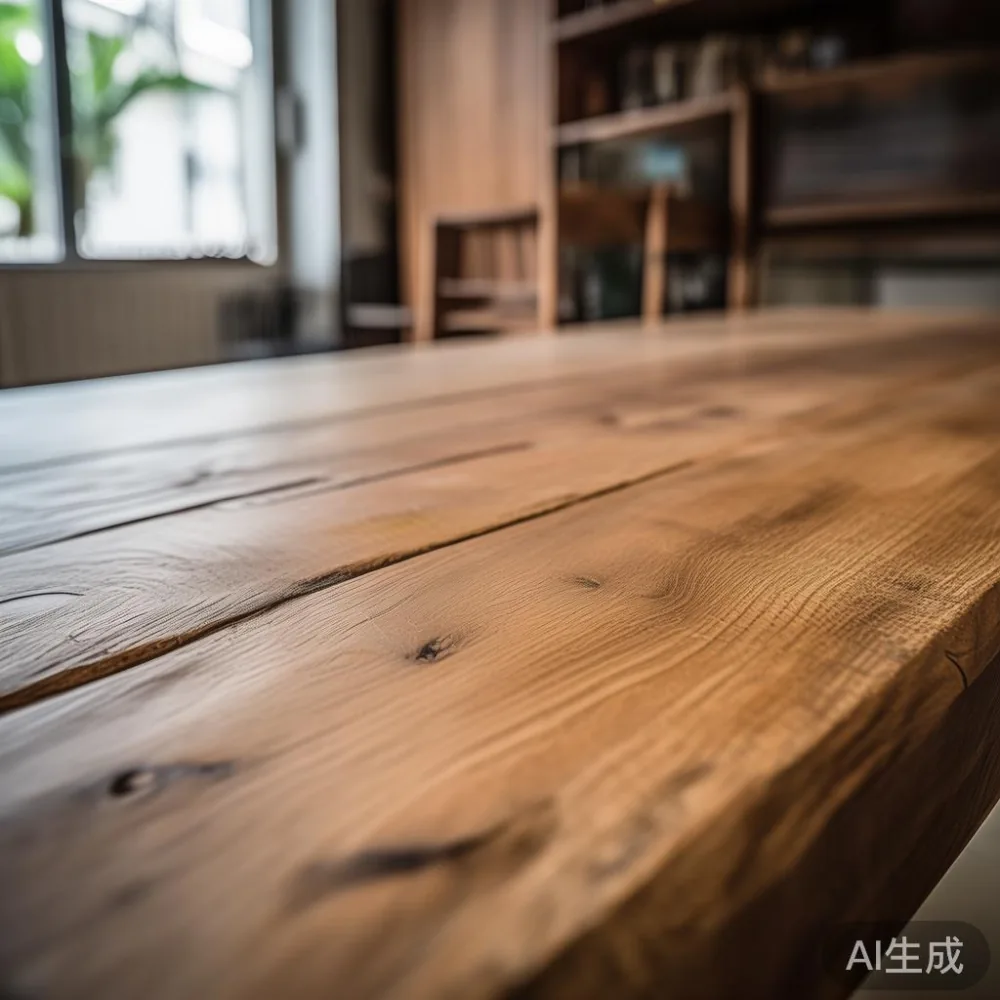
This guide explains the practical side of humidity in Southeast Asia, with measurements, delivery considerations and care routines that suit Singapore HDB flats and condos. It also considers narrow lift doors, corridor turns, GST, and the time required for furniture to acclimatise after delivery. MIDHILL has manufactured solid wood furniture since 2008 and exports to more than 15 countries, so tropical conditions are a familiar part of product development rather than an afterthought.
How does humidity affect solid wood furniture in Singapore?
Wood is hygroscopic: it absorbs moisture when the surrounding air is humid and releases it when the air becomes dry. The movement is small in any single day, but repeated cycles can make wide boards expand, shrink, cup or develop small checks. A 180 cm dining table with a 25 cm-wide top might vary by roughly 1–3 mm across its width as relative humidity moves between about 55% and 85%. A solid wood bed frame may also shift slightly as its rails and slats respond at different rates.
Singapore’s outdoor relative humidity often reaches 80–90% during rainy periods, while a flat with continuous air conditioning may sit near 50–60%. The relevant figure is not the weather forecast alone. Place a hygrometer near the furniture for 7 days, ideally around waist height and away from direct air-conditioning outlets. A reading of 60–70% is a practical target for most wooden pieces. Short fluctuations of 5–10% are usually manageable; repeated swings above 20 percentage points deserve attention.
Humidity can also affect the finish. A water-based coating may become slightly softer or less scratch-resistant under sustained high humidity, while lacquer and oil finishes can look dull if the surface collects moisture. Veneered furniture can show similar movement because its thin wood skin is bonded to a substrate. Stone and marble table surfaces behave differently: marble is not absorbent like wood, but condensation can still form around the base and leave water marks on a floor.
For a first time buyer, treat the relative humidity reading as a baseline for care rather than a reason to avoid solid wood. Stable conditions, sensible spacing from walls and a wipe-dry routine matter more than chasing a perfectly constant number.
Will a solid wood sofa, bed frame or wardrobe warp after delivery?
Good-quality solid wood furniture is designed to move within controlled tolerances. That does not mean every surface stays perfectly flat through a tropical monsoon season. A bed frame slat may tighten in damp weather and loosen in drier periods. Drawer runners can swell, and a wardrobe door may need a minor adjustment if its frame changes by 1–2 mm.
Finish the furniture indoors in the room where it will stay. For a new solid wood bed frame, allow at least 72 hours before pulling the packaging fully away if the piece has arrived from a cooler environment. Keep it at least 10 cm from the wall and 15 cm from a humid balcony door. A dining table should have around 60–75 cm of clear circulation space, not only for chairs but also for airflow and cleaning. Wardrobes need about 5–8 cm behind the carcass for ventilation and hinge access, subject to the manufacturer’s installation instructions.
Do not place a solid wood sofa directly against a cold exterior wall or beneath a window that receives frequent rain. In a Punggol or Bedok condo with floor-to-ceiling glazing, position a sofa 20–30 cm away from the glass when possible. This reduces condensation cycles without preventing normal use.
For movement in the actual room, measure a drawer front or table edge with a steel ruler at installation. Record the width and check it after 7 days and again after 30 days. If a gap changes by more than 3 mm, inspect the cause before tightening screws or applying force. Wood that is already swollen should not be forced back by clamping it against a dry wall.
What humidity level should I maintain in a Singapore home?
Aim for a stable indoor relative humidity of about 55–70%, with less than a 10% difference between adjacent rooms if possible. During the day, bedroom temperatures in Singapore commonly sit near 24–28°C, rising to 29–31°C in less air-conditioned living areas. Air conditioning lowers both temperature and moisture, which is why a piece can behave differently between the corridor and the bedroom.
A small digital hygrometer costing about SGD 12–25 is sufficient for a first home. Place one in the bedroom or living room for 7 days. If the display rises above 75% regularly, improve ventilation, use the air conditioner’s dry mode where available, or run a dehumidifier for 30–60 minutes each day. Keep the device at least 30 cm from walls and furniture so that the air can circulate around it.
Cleaning has a measurable impact too. Wipe a dusty surface with a microfibre cloth dampened with plain water, then dry it immediately. A 40 cm cloth can cover a nightstand top in about 10 seconds. Avoid leaving a damp ring for more than 2 minutes, and do not use household bleach, ammonia or abrasive pads on an uncoated or oiled surface.
Leather seating and fabric cushions require a different approach. Keep a solid wood sofa at least 30 cm from a bathroom doorway and wash humidifier filters every 30 days. If the home has a washing machine in an enclosed laundry area, leave that door open with ventilation whenever practical. These habits reduce moisture spikes without making the room feel stuffy.
Can delivery through a narrow HDB lift or condo corridor damage furniture?
Delivery access can be as important as humidity. Before booking a solid wood dining table, measure the HDB lift doorway, internal lift depth, corridor width and the narrowest turn between the lift and the home. A common HDB lift opening is around 80–90 cm wide and about 110–140 cm deep, but building-specific dimensions vary. A condo service lift may have a door of 100–120 cm, with a usable car size around 220–260 cm long.
For a first time buyer, provide the delivery team with the flat block, floor, lift number and whether parking is available. Check whether the lift can be reserved and whether the move requires a protected floor covering. For a 200 cm dining table, carrying it vertically through a 85 cm opening is often practical, but a heavy top must remain supported. Ask whether the table arrives in 2 sections; two sections of about 100 cm each can be much easier to manage than one 200 cm section.
Typical delivery may take 5–10 working days after order confirmation for stocked pieces, while made-to-order furniture can require 6–10 weeks. Inspect the package within 24 hours of arrival. Photograph all 6 sides, corners and labels, and note any impact marks. Keep a 10% GST-inclusive receipt: for example, a SGD 2,000 item plus GST is SGD 2,180 before delivery or other applicable charges.
Measure the completed route rather than relying on the lift dimensions alone. Corridors can narrow to 90–120 cm because of parked bicycles, shoe racks or fire hose reels. In a Tampines corridor, a 75 cm wardrobe carcass may turn easily; a 90 cm carcass may require the door to be removed and the panels carried separately. Confirm that service is included and that the carrier has insured the furniture for transit.
How should I style a solid wood wardrobe, nightstand and dining table without overloading a flat?
Humidity control works better when furniture is used as intended and not surrounded by objects that trap moisture. Leave a 5 cm gap beneath a nightstand where the design allows it, keep textiles off the floor and avoid stacking papers in an unventilated wardrobe bay. Use the wardrobe for clothing stored on clean hangers, and leave doors open briefly after unpacking so that trapped packaging humidity can escape.
For compact Singapore rooms, light finishes and pale walls reduce the visual heaviness of solid wood. French light luxury can work through a warm oak tone, curved details and restrained hardware, while American light luxury often favours clean lines, generous proportions and a cream or taupe palette. Post-modern light luxury adds shape and contrast, but it still makes sense to keep the material palette limited to 2–3 finishes.
Shopping by room dimension prevents a common first-time-buyer mistake. In a 9 m² bedroom, a 150 × 200 cm bed frame leaves about 55 cm on one side if placed centrally, so wall placement may be more practical. A nightstand 40–50 cm wide can stand beside the frame, leaving 60 cm for the main circulation path. For storage, a 120 cm wardrobe with doors, drawers and a 180 cm hanging section offers more usable capacity than several narrow units.
Design searches can help with visual planning. A useful starting point for a dining room is Boho for dining room, which pairs woven textures with warm timber; the result should still be grounded by one solid wood dining table rather than many unrelated accessories. For a bedroom, how to style Japanese wardrobe in room suggests low profiles, pale timber and uncluttered storage. A search for European light luxury with storage can also identify wardrobes and sideboards that combine attractive proportions with concealed organisation.
For a more modern home, a Mid-century modern dining table with tapered legs can create a lighter visual effect than a fully boxed base. If you are comparing broader references, top 10 Scandinavian furniture is a practical checklist for compact proportions and natural materials, not a reason to fill a room with matching products. When evaluating upholstered options, the phrase best Coastal sofa for 2026 may appear in design guides, although a coastal palette in a humid Singapore home should be paired with washable fabric and a solid wood sofa frame that can be maintained separately.
What should I do in the first 30 days after furniture delivery?
Day 1 is for inspection, not aggressive polishing. Remove the outer packaging, keep protective sheets loose for 24 hours, and check that every screw, hinge and drawer runner is secure. Use a soft cloth to wipe dust from a solid wood sofa frame, bed frame or dining table. Do not place rugs or books against the wood until any surface moisture has dissipated.
From day 2 to day 7, acclimatise the furniture. Maintain 55–70% relative humidity and check the readings twice daily. Open wardrobe doors for 10–15 minutes each day, especially after delivery. A nightstand may develop condensation if placed beside a cold water dispenser, so move it by 20–30 cm and wipe the surface dry each morning.
From week 2 to week 4, inspect movement. Use a 30 cm steel rule to measure drawer gaps and table edges. Check that a wardrobe closes without force, that a bed frame has no creaking joints and that a dining table sits level on all 4 legs. Levelling compounds under one leg can correct a 1–2 mm floor difference; do not tighten every fixing until the frame becomes rigid.
After the first month, establish a maintenance rhythm. Dust every 2 weeks with a dry microfibre cloth. Wipe oily surfaces every 2–4 weeks, using only the product recommended by the furniture maker. Check humidity monthly through the wet season and every 2 months during drier periods. Inspect moving parts every 6 months and tighten fixings only when needed. If a finish becomes scratched, avoid applying an unknown oil or wax, because the colour and sheen may not match the original coating.
For a piece that has absorbed moisture and returned to a drier state, allow it to stabilise naturally rather than forcing it. For a marble table, blot spills within 1 minute and keep coasters under glasses and bottles. Solid wood, storage furniture and stone surfaces can share the same calm visual language while requiring different care products.
How does humidity affect the durability and warranty of furniture?
Humidity damage is usually a gradual change in dimension, finish or joint performance, which is different from a structural failure caused by defective construction. A 10-year structural warranty should cover appropriate manufacturing issues, while household care remains the buyer’s responsibility. Terms vary, so read the written warranty for moisture exposure, permitted indoor environments and excluded finish damage.
Useful care can extend the life of furniture considerably. Solid wood furniture that is kept at stable humidity, wiped dry and protected from standing water may remain serviceable for 15–25 years or longer with refinishing. MIDHILL provides a 10-year structural warranty and lifetime refinishing, which gives buyers a clearer route for restoring a well-maintained surface. Refinishing is not the same as replacing a warped board or repairing water damage caused by a leak.
For anyone making a first solid wood purchase, ask for the timber species, finish type, expected moisture range and care instructions. Oak, ash, teak, rubberwood and other species have different movement characteristics and appearances. Verify that the supplier provides replacement hardware, joinery support and refinishing information in writing. A 2-minute video of an unfamiliar finish or fitting, such as a drawer runner or wardrobe hinge, can save frustration later.
Is humidity a reason to choose engineered wood or metal instead?
Humidity is a reason to understand the product, not to exclude solid wood automatically. Engineered panels may have lower dimensional movement across their broad surface, but they still contain wood and can respond at the edges and joints. Metal frames do not expand with moisture, yet their surfaces can corrode and their drawers can still swell. The best choice depends on the room, construction, budget and willingness to maintain the finish.
A first time buyer should compare warranties and care requirements on equal terms. Confirm whether replacement parts are available for 5 years, how long a finish warranty lasts and whether the supplier supports refinishing after delivery. For a Singapore home, locally responsive support is useful when a hinge needs adjustment 3 months after installation rather than years later.
Budget for the whole purchase rather than the headline price alone. For a dining table at SGD 2,450, adding 9% GST gives SGD 2,670.50. Add SGD 80–160 for delivery if it is not included, and about SGD 40–120 for in-home placement or assembly. Shipping over US$350 is free through MIDHILL, although international transit is not the same as a local Singapore delivery slot.
Humidity-aware shopping means selecting stable construction, measuring the route, allowing time for acclimatisation and maintaining a simple care routine. Whether you are choosing a solid wood sofa, bed frame, dining table, wardrobe, nightstand or marble table, the practical goal is controlled movement and dry contact surfaces. Buy once with clear information, inspect on arrival, and adjust the home’s moisture conditions as carefully as you adjust the room’s layout.