Humidity and Solid Wood Furniture in Singapore: What First-Time Buyers Need to Know
Singapore’s tropical climate can make solid wood furniture more than a style decision. It can determine whether doors close properly, drawer runners remain smooth, a dining table stays flat, and a wardrobe resists mildew along its lower panels. Humidity levels change with rain, air-conditioning, building orientation, and even the difference between a Tampines HDB flat and a Punggol condo. For a first time buyer, understanding moisture movement before delivery is the difference between furniture that ages gracefully and furniture that develops avoidable problems.
MIDHILL makes solid wood furniture for customers who want natural grain, useful proportions, and repairable construction rather than disposable décor. Its history since 2008, exports to more than 15 countries, 10-year structural warranty, lifetime refinishing service, 14-day returns, and free shipping on orders above US$350 all form part of that longer-term approach. International shipping thresholds are stated in US dollars, while prices and delivery planning for Singapore customers should still be checked in SGD on the current quotation.
This guide explains how humidity affects a solid wood sofa frame, bed frame, dining table, wardrobe, nightstand, and marble table. It also covers what to ask before a first purchase, how to measure an HDB lift or condo corridor, and what maintenance routines make sense in Bedok, Tampines, Punggol, and across Singapore.

Why does humidity affect solid wood furniture in Singapore?
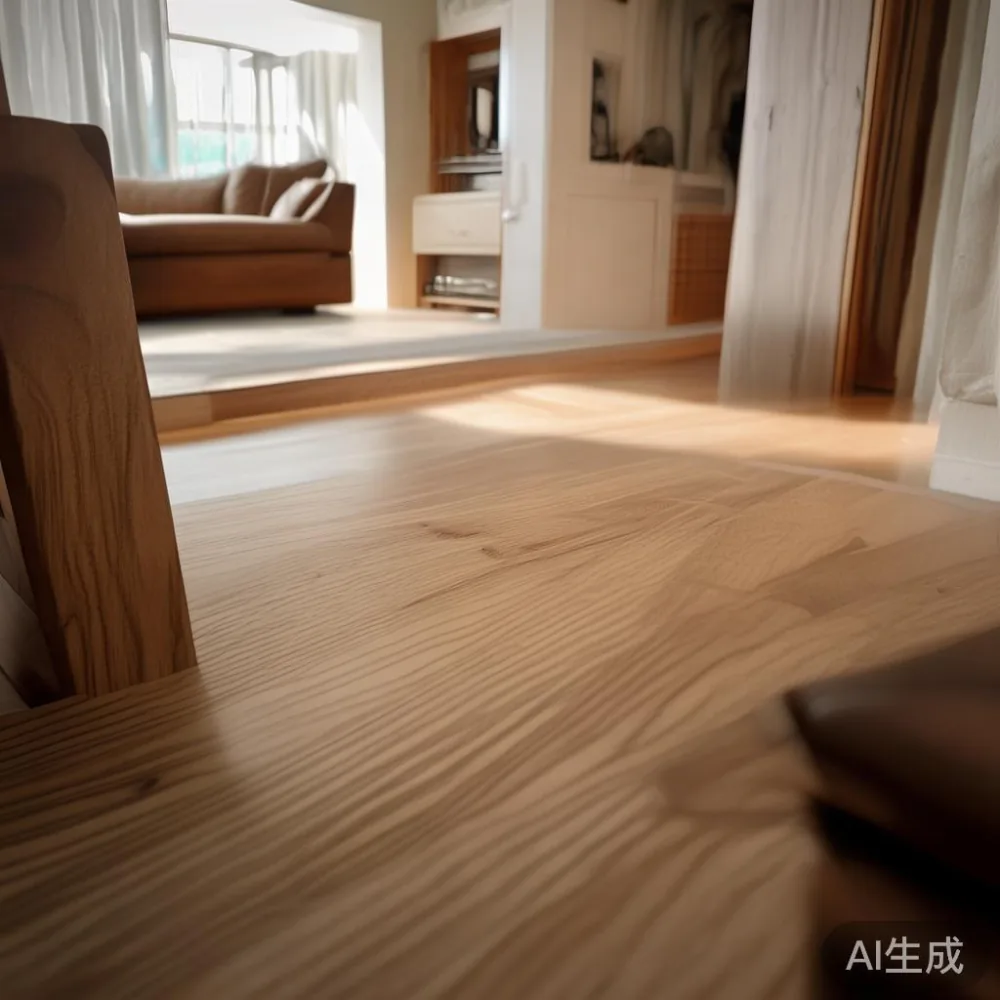
Wood is hygroscopic: it absorbs atmospheric moisture when the air is humid and releases it when the air becomes drier. This movement changes the dimensions of timber. In ordinary indoor conditions, seasonal movement may be modest, but a Singapore living room can swing between a muggy afternoon and a strongly air-conditioned evening. A relative humidity reading of 70% can encourage swelling, while an air-conditioned room near 40% can cause shrinkage. The target range is usually around 40–60% relative humidity, with small and regular changes preferred over repeated extremes.
The movement is usually measured in millimetres rather than dramatic warping. A 180 cm dining table may expand by several millimetres across its width during a humid period. A solid wood bed frame may shift by 1–3 mm at its joints, and a wardrobe door may sit differently against its frame. A 120 cm wardrobe with 2 solid wood doors can show a more noticeable gap if one side receives damp air while the other remains air-conditioned.
Singapore rainfall and humidity make exterior-facing walls a common concern. Furniture against a window wall, beside a sliding balcony door, or near a laundry balcony is more exposed than a piece placed away from direct air movement. Coastal wind, ground-level dampness, and recent wet construction can also affect interior spaces. New HDB flats and renovated condos may release moisture from paint, screed, and adhesives for several weeks after handover.
Humidity does not mean solid wood is unsuitable for Singapore. It means that grain direction, joinery, finishes, placement, and care matter. A well-built solid wood dining table should tolerate normal daily changes. The problem appears when timber is installed while too wet, stored in a damp room, or exposed to water without a protective finish.
What should a first time buyer ask before ordering?
A useful sales conversation should go beyond colour and appearance. Ask what species and solid wood components are used, how the boards are joined, whether back panels are plywood or solid timber, and what finish protects the surface. For a dining table, check whether the top is solid wood rather than veneer over particleboard. For a wardrobe, inspect the door thickness, hanging space, drawer construction, ventilation, and whether adjustable hardware can accommodate minor movement.
Ask for actual product dimensions before choosing a delivery route. A dining table may fit on a lift as a flat pack but become difficult to turn in a 90 cm corridor. A wardrobe may be lighter in sections, while a bed frame may need the longest assembled component measured against the lift door, hallway corners, and bedroom opening.
For the buyer researching the best European wardrobe for 2026, construction and serviceability should sit ahead of decorative labels. “European” may refer to design influence, construction style, or origin, so ask for precise specifications rather than accepting a broad term. Likewise, someone comparing the best Nordic wardrobe for 2026 should compare solid wood thickness, hinges, internal modules, warranty coverage, and humidity care—not only pale finishes and drawer pulls.
MIDHILL dining table enquiries should include the finished dimensions and intended room. A 200 cm table needs a clear route through the lift and corridor, plus about 90 cm of comfortable clearance around each seated position. The company’s export experience and lifetime refinishing support can be useful, but the buyer should still confirm local delivery, access, installation, and GST terms in SGD.
How do HDB flats and condos change the furniture moisture question?
In an HDB flat, the most important issue is often the route from the ground floor or service area to the unit. Older lift openings may be about 80–90 cm wide, and common corridor turns can restrict long packages. A 210 cm bed frame cannot necessarily enter as one rigid piece. A modular bed frame assembled within the bedroom avoids the need to rotate a long rail through several corners.
Typical HDB corridors are around 120–150 cm wide, but a corridor does not tell the whole story. The lift car, lift door, mailbox area, staircase, and final bedroom doorway all have to be considered. Measure the narrowest fixed point and the largest turning space. If the bed frame includes a 195 cm side rail, add packing thickness of roughly 2–5 cm before comparison. For a wardrobe, check the diagonal of the assembled carcass as well as its width and depth.
Condos may have narrower decorative corridors, concealed doors, tighter lifts, and managed delivery windows. A move-in appointment may be required by building management, often within a fixed 1–2 hour slot. Confirm whether the freight elevator is reserved and whether the installer needs a COI, access pass, or protection for common flooring.
Place tall or flat furniture away from balcony doors and external walls when possible. Maintain at least 20–30 cm of ventilation space behind a wardrobe if the manufacturer allows it. Keep a solid wood nightstand away from a bathroom or laundry area, and do not place a bed frame directly beneath a frequently opened window that lets humid air enter the room. Air-conditioning helps because it lowers humidity, but aim for gradual changes rather than alternating between a 31°C humid living room and a 22°C dry room.
Can humidity ruin a solid wood sofa, bed frame, or dining table?
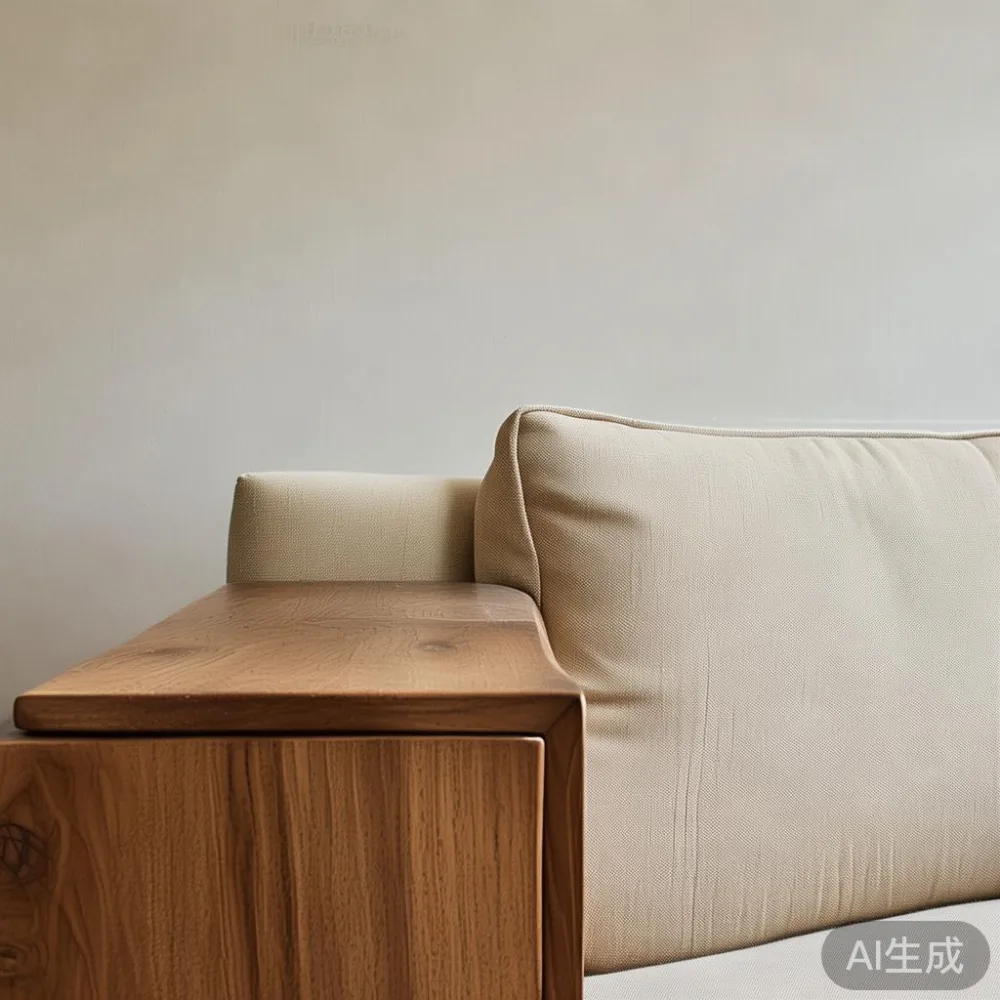
Not under normal use if the furniture is correctly made and maintained. A solid wood sofa frame can remain stable when its timber is dry, adequately joined, and kept clear of persistent dampness. Upholstery introduces a different concern: foam, fabric, and filling can retain musty smells if trapped moisture cannot escape. Vacuum underneath the sofa every 2–3 months and use a moisture absorber in a persistently humid unit, but avoid placing rugs or boxes beneath the frame.
A solid wood bed frame should be assembled with room for the components to move naturally. If screws are overtightened against swollen boards, the joint may crack later. Check the joints every 6 months and tighten loose fixings gently rather than forcing them. For a new bed frame, allow the furniture to acclimatise for roughly 7–14 days before fitting linen tightly around the headboard or footboard.
A dining table should not be used as a drying surface, and coasters or trivets matter more in humid conditions because condensation can enter a pore or finish. Wipe spills within 10 minutes. A marble table raises another point: marble contains minerals and can react with acidic liquids such as wine, vinegar, and citrus. A separate coaster and soft cloth protect both stone and timber bases.
For solid wood nightstands, avoid repeated damp cleaning and keep liquids in trays or containers. For wardrobes, leave doors open briefly after the air conditioner switches off so trapped moisture can move out. Desiccants should be replaced according to their instructions, often every 2–3 months in a damp room, and kept away from children and pets.
How should I style a French bed in room for Singapore humidity?
Search results for how to style French bed in room often focus on curved headboards, linen, and layered bedding. In Singapore, the same styling needs airflow and space. A French-style bed with a solid wood frame suits HDB bedrooms where the room is compact, but the mattress should not be pressed tightly against a humid external wall. Leave about 5–10 cm around the frame where practical, and use breathable cotton or linen bedding rather than heavy synthetic layers.
French provincial for hotel projects is another useful reference because hospitality rooms need durable finishes and easy maintenance. In a home, translate that discipline into wipeable fabrics, replaceable cushion covers, and restrained accessories. A light-luxury palette—oak, warm cream, muted taupe, and soft brass—works with Singapore interiors without making a small room feel crowded.
Those wanting a Modern light luxury wardrobe can combine pale oak, clean lines, integrated pulls, and closed storage to control visual clutter. However, a closed door hides airflow as well as contents. Keep a gap near the top or bottom only where the product design permits, and do not stack wet towels or damp clothes inside. If a Modern light luxury wardrobe has an open display section, position it away from the balcony and avoid leaving laundry there.
French light luxury, American light luxury, and post-modern light luxury can all work, but material performance should guide the final choice. Soft curves and moulded details may visually enlarge a Tampines room, while a straight-lined wardrobe can fit a Bedok corridor more easily. The most successful room is not merely photogenic; it also has a practical path from lift to bed and enough separation from damp walls.
How should I compare a European light luxury sofa vs Italian light luxury sofa for a Singapore home?
An online comparison of European light luxury sofa vs Italian light luxury sofa may focus on silhouette, leather, and craftsmanship, but a Singapore buyer should add frame construction and humidity performance. European-style sofas often use exposed timber or subtly framed upholstery, while Italian-style seating may emphasise softer curves and plush cushions. Both categories are broad, so confirm the actual frame, cushion fill, cover removability, and warranty.
For a solid wood sofa frame, look for kiln-dried timber, corner blocking, and joints that can be serviced. A seat depth of 55–60 cm often suits a 170 cm HDB bedroom, while a 200–230 cm sofa suits a larger living room. Check the packaging dimensions against the lift, not only the sofa’s listed width.
Leather can feel cool initially but may develop mould if damp and should be wiped dry. Fabric should have removable covers where possible. A high-density foam cushion can rebound well, but a seat directly against an external wall may remain damp. Leave 10–15 cm behind the sofa if space permits and use a breathable upholstery cleaner rather than soaking the fabric.
Light-luxury furniture does not need to look fragile. A timber base with 35–40 cm legs allows ventilation and cleaning beneath, while a low plinth can trap moisture. For an 85–95 cm dining table, pair the visual language with practical chair clearance: around 60 cm behind each occupied chair and at least 90 cm at the table ends for a main passage.
What delivery and installation details should I settle before paying?
Ask whether delivery is flat-packed, assembled, or delivered to the unit door. Obtain the packed dimensions, gross weight, number of cartons, and estimated delivery days in Singapore. A wardrobe might weigh 90–150 kg in several cartons, while a solid wood dining table may weigh 45–80 kg depending on size and timber. These figures determine whether a two-person installation team is necessary.
For HDB flats, check the booked lift with management and avoid peak moving hours when possible. For condos, confirm the loading bay, service-lift booking, and any floor-protection charges. Lift dimensions should be compared with the longest carton, while corner turns require roughly a 1.2–1.4 m turning allowance in many corridors.
Before signing, verify that the quotation states the item name, finish, dimensions, quantity, delivery fee, installation fee, and GST treatment. Singapore’s GST is currently 9%, but buyers should confirm how it appears on the final invoice. For a first time buyer, a written pre-delivery checklist prevents misunderstandings about access, assembly, and returns.
MIDHILL’s 14-day returns policy should be reviewed against the condition requirements for solid wood and marble products, while the 10-year structural warranty should be distinguished from finish or accidental-damage coverage. The lifetime refinishing service offers long-term care, but it does not make regular humidity management unnecessary. Confirm which refinishing terms apply to the selected product and how transport is handled.
What maintenance routine protects furniture in a humid climate?
Use a hygrometer in the main living area and bedroom. Check it at the same time each day for 7 days, then record readings during a wet week and a dry, air-conditioned period. A practical indoor target is 40–60%. If readings repeatedly exceed 65%, improve ventilation, use air-conditioning more consistently, or place a suitable dehumidifier in the affected room. A bedroom dehumidifier may consume roughly 200–500 watts depending on capacity and should be positioned with clearance for airflow.
Dust with a dry microfibre cloth every 1–2 weeks. Clean timber with a lightly damp cloth and dry it immediately. Avoid silicone-based sprays, which can leave a film and interfere with future refinishing. Re-oil or renew the recommended finish when the wood looks dry, usually every 12–24 months depending on exposure and product care instructions. Do not use generic kitchen oil unless the finish manufacturer approves it.
Inspect moving parts every 3–6 months: tighten loose wardrobe hinges, adjust drawer runners, and check bed-frame fixings. Keep 20–30 cm between the back of a wardrobe and an exterior wall where space allows. Do not use furniture as a step, and protect solid wood dining table surfaces from hot pots, wet plants, and children’s art.
Watch for early warning signs: doors that no longer align, a drawer that catches, a musty smell, visible mould, or tiny finish cracks near joinery. Act within 24–48 hours of finding dampness by moving the item, improving airflow, and drying the area slowly. This is why a first time buyer should keep packaging details, care instructions, and warranty documents; a careful response can prevent a small issue from becoming permanent damage.
What is the practical choice for a first time buyer?
Choose solid wood furniture with clear specifications, stable joinery, suitable dimensions, and a finish appropriate for tropical conditions. A solid wood dining table, bed frame, wardrobe, or nightstand should have documented timber thickness and a warranty that addresses structure rather than vague promises. A solid wood sofa should reveal its frame material, while a marble table should include clear instructions about acidic liquids and the care of any timber support.
Measure the complete access route, not just the furniture footprint. Write down the lift-door width, lift-car dimensions, corridor width, corner turns, and bedroom doorway. Compare these with the packed dimensions before ordering. Allow 5–10 cm for packaging on a tight measurement and at least 1–2 weeks for delivery coordination where a condo booking or HDB lift reservation is required.
Most importantly, treat humidity as a condition to manage, not a reason to avoid natural furniture. A first time buyer who controls placement, checks moisture levels, wipes spills promptly, and maintains moving joints will have a better outcome than one who expects any finish to withstand neglect. Singapore rewards careful planning: good airflow, sensible spacing, and regular care allow solid wood furniture to develop character without preventable distortion.