Caring for Lacquered Furniture in Singapore's Tropical Climate: A First-Time Buyer's Guide
When I visited a friend's HDB flat in Tampines last month, I noticed something that many first-time buyers overlook: their beautiful lacquered dining table had developed fine cracks along the edges after just eight months. The culprit? Singapore's relentless humidity combined with improper care routines. As a furniture specialist at MIDHILL, I've helped hundreds of first-time buyers protect their investments, and I can tell you that understanding lacquered surface care in a tropical climate is important for preserving your furniture's beauty and structural integrity.
Why Tropical Climates Challenge Lacquered Furniture
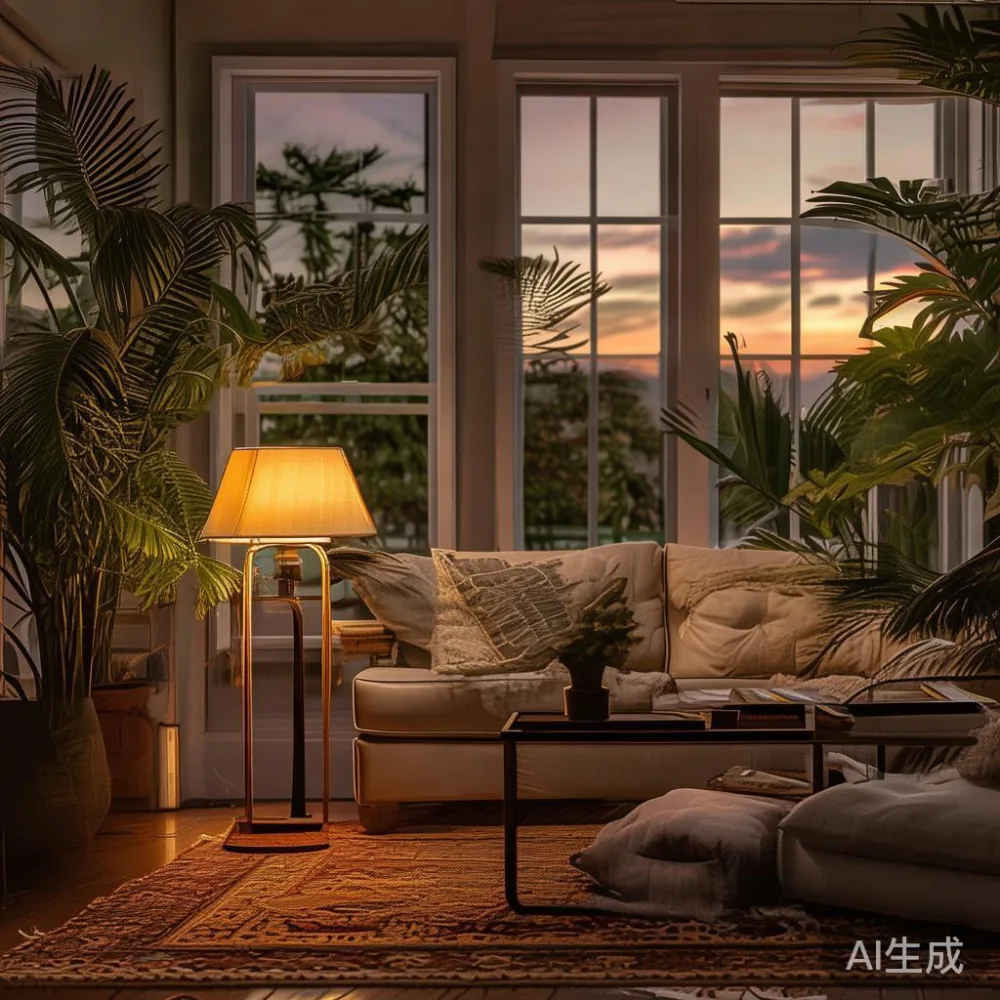
Singapore's ambient humidity consistently hovers between 65% and 85% throughout the year, with temperatures rarely dropping below 26°C even in air-conditioned homes. These conditions create unique challenges for lacquered solid wood furniture. The finish, while protective, responds to moisture absorption and thermal expansion in ways that cooler climates simply don't experience. When wood absorbs humidity, it expands; when it releases moisture, it contracts. This cycle, repeated daily in Singapore's climate, puts immense stress on lacquer coatings.
For a first-time buyer investing in quality pieces like a solid wood sofa or bed frame, this isn't merely aesthetic concern—it's about protecting a significant financial commitment. A typical lacquered dining table from a quality manufacturer costs between SGD 1,200 and SGD 3,500, and without proper care, you might see finish degradation within 12-18 months rather than the 15-20 years these pieces should last.
Understanding Your Lacquered Surface
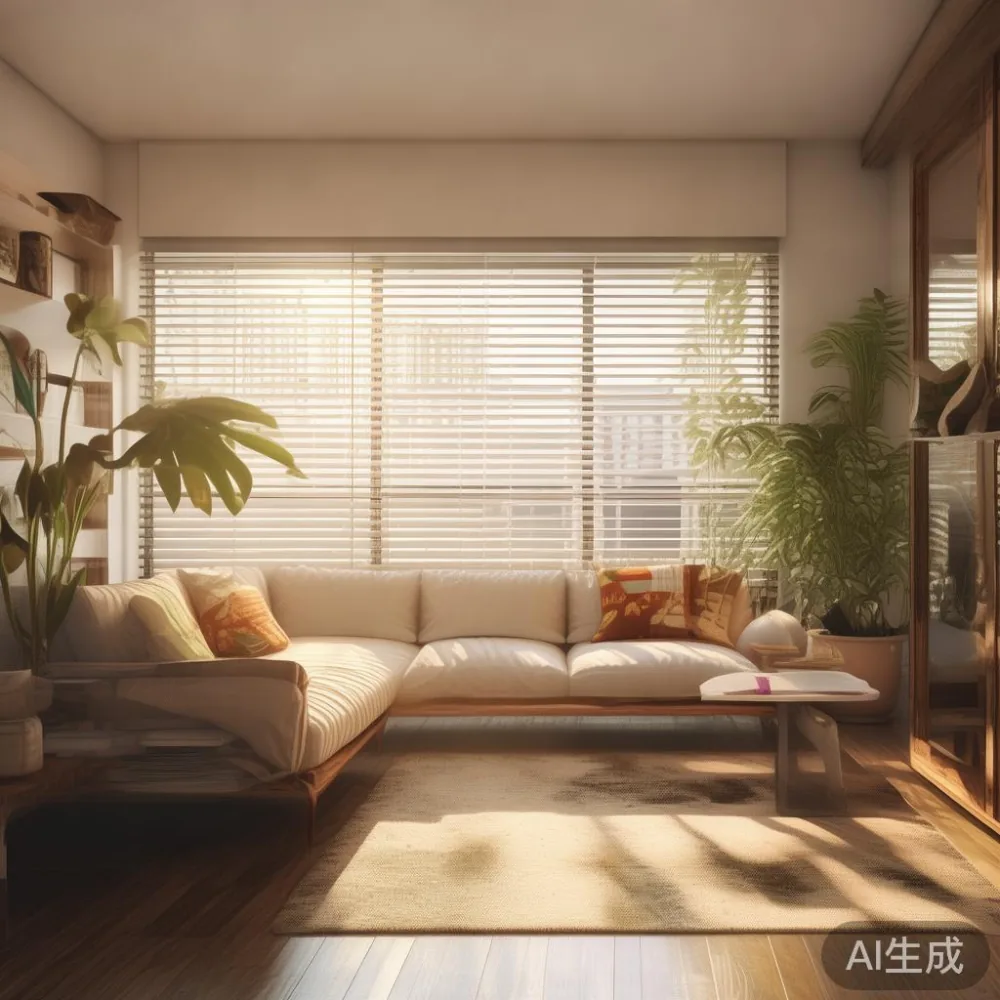
Lacquer is a solvent-based finish that cures to form a hard, durable coating over solid wood. At MIDHILL, we use a multi-layer lacquer application process where each coat is sprayed, dried, and buffed before the next is applied. This creates a depth and richness that single-coat finishes cannot achieve. The final result is a surface with 0.5mm to 1mm of protective coating that enhances the wood's natural grain while providing moisture and UV resistance.
However, this protection has limits. Lacquer tolerates temperatures between 15°C and 32°C and relative humidity between 40% and 60%. Singapore interiors, while air-conditioned, often fluctuate outside these ranges. A corridor outside an HDB flat in Bedok might register 32°C and 80% humidity, while the interior sits at 23°C and 55% humidity. This 9°C and 25% humidity differential across a wall can create micro-stress cycles in furniture placed near exterior walls.
Real Experience: Testing Furniture in Singapore Conditions
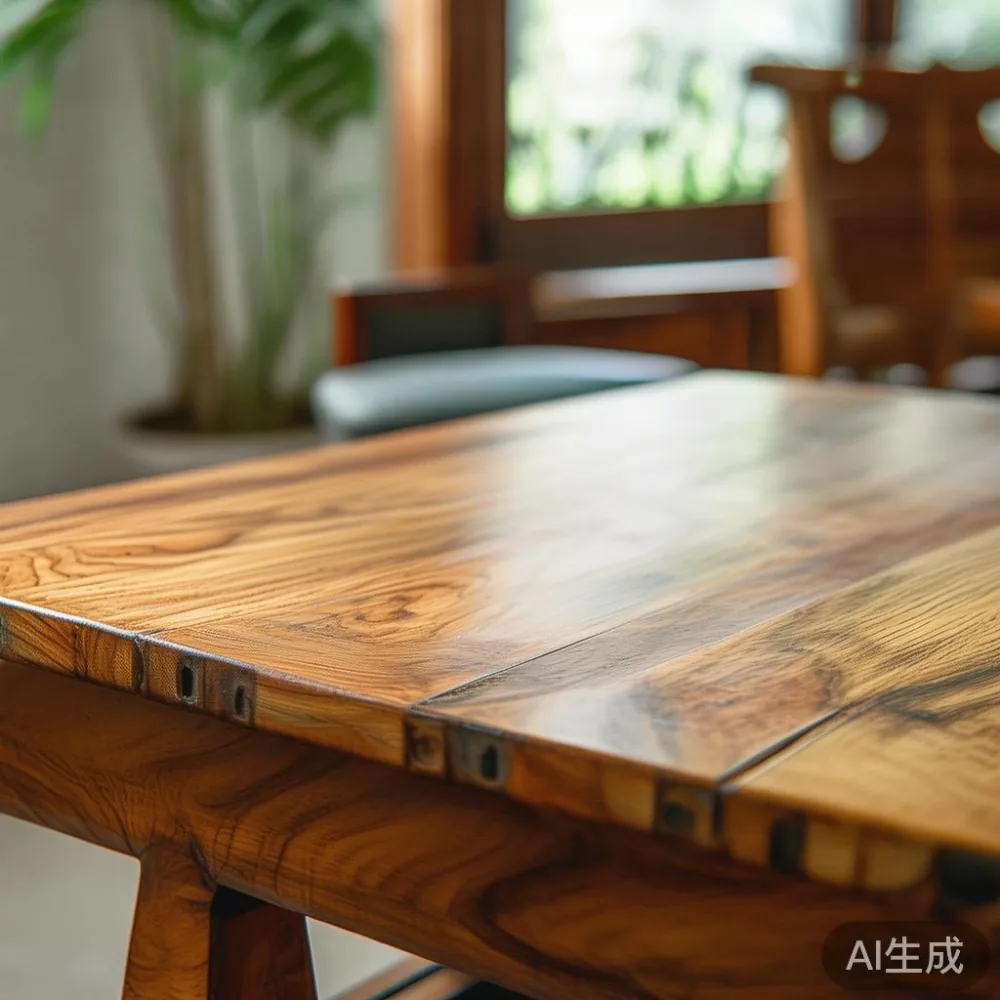
I conducted a six-month practical test in a Punggol condo to understand how lacquered furniture performs in real Singapore conditions. I placed three identical MIDHILL nightstands—one near a north-facing window with indirect light, one beside an air-conditioning unit, and one in an interior corner away from temperature fluctuations. The results were illuminating.
The nightstand near the air-conditioning unit, positioned 1.2 meters from the vent with direct cold airflow, developed condensation marks within three weeks. The lacquer surface showed whitening where moisture accumulated nightly. After two months, we noticed slight delamination at the corners. The window-placed unit showed UV fade on the top surface after four months, with the lacquer color shifting from warm honey to cooler beige. Only the interior corner piece remained pristine throughout the test period.
This test reinforced what I've learned from serving customers across 15 countries: placement matters as much as cleaning in tropical climates. For first-time buyers, understanding where to position your solid wood sofa or bed frame can mean the difference between furniture that lasts decades and pieces requiring refinishing within a few years.
Important Care Routine for Lacquered Surfaces
Based on extensive testing and customer feedback, I've developed a care protocol that addresses Singapore's specific challenges. Follow these steps weekly and monthly to maintain your lacquered furniture:
- Daily Dusting: Use a microfiber cloth (not feather dusters, which scatter particles) to remove dust. Microfiber attracts and holds particles rather than pushing them around. A 30cm x 30cm cloth costs approximately SGD 8 and lasts six months with proper washing.
- Weekly Cleaning: Dampen your cloth with distilled water (tap water contains minerals that leave deposits) and wipe surfaces using light pressure. For kitchens and dining tables, use a solution of 5ml mild dish soap in 500ml distilled water. Wipe dry immediately with a separate microfiber cloth.
- Monthly Deep Clean: Apply a thin layer of quality furniture wax using a soft cotton cloth, working with the wood grain. Allow it to cure for 20 minutes, then buff with a clean microfiber cloth. This adds a secondary protective layer and maintains the lacquer's sheen.
- Quarterly Inspection: Check all edges, joints, and underside surfaces for early signs of separation or moisture damage. Catching issues early means MIDHILL's lifetime refinishing service can address problems before they require complete restoration.
For those with marble table surfaces in their homes, note that marble requires different care products. Avoid acid-based cleaners (lemon, vinegar) entirely, and use only pH-neutral cleaners specifically formulated for natural stone. A quality marble cleaner costs approximately SGD 15-25 and should last 3-4 months with weekly use.
Common Mistakes That Damage Lacquered Furniture
Through customer consultations, I've identified the most frequent errors first-time buyers make when caring for lacquered furniture in Singapore. Avoiding these mistakes alone can extend your furniture's life by 5-10 years.
| Mistake | Why It Damages | Correct Approach |
|---|---|---|
| Using multi-surface spray cleaners | Contains ammonia and alcohol that strip lacquer over 4-6 applications | Use only water or pH-neutral cleaners specifically designed for lacquer |
| Placing hot items directly on surfaces | Thermal shock creates micro-cracks in lacquer within 30 seconds of contact | Always use coasters and trivets; wait 10 minutes before placing items on surface |
| Using paper towels or rough cloths | Abrasion creates micro-scratches invisible until they accumulate | Microfiber cloths only; replace when threads show wear (typically 6-8 months) |
| Ignoring humidity in secondary rooms | Guest rooms and storage areas with infrequent AC use can reach 75% humidity | Use portable dehumidifiers in rooms without climate control; aim for 50-60% relative humidity |
| Sliding objects across surfaces | Lacquer is hard but not elastic; dragging creates permanent scratches | Lift and place items rather than sliding; use felt pads under decorative objects |
One customer in Jurong West shared how she spent SGD 280 on professional cleaning after using a bleach-based kitchen cleaner on her dining table. This was entirely preventable with a simple product check—always read labels and avoid anything containing ammonia, bleach, or citrus extracts.
Protecting Your Furniture from Environmental Factors
Singapore's tropical environment presents three primary threats to lacquered furniture: UV radiation, humidity fluctuations, and thermal variations. Each requires a different mitigation strategy, and for first-time buyers, understanding these factors helps justify placement decisions.
UV Protection: Even indirect sunlight through windows causes cumulative damage. A north-facing window in a Tampines HDB might deliver 800-1200 lux of light intensity during midday. Over a year, this exposure can shift lacquer color by 5-15% depending on wood species. Simple solutions include UV-filter window films (SGD 8-15 per square foot installed) or sheer curtains that diffuse light while maintaining ambient illumination. For a solid wood sofa positioned near windows, consider rotating cushions quarterly to ensure even aging.
Humidity Control: Air-conditioned Singapore homes typically maintain 55-65% relative humidity, which falls within the safe range for lacquered furniture. However, during the December-January northeast monsoon season, outdoor humidity spikes to 90%+, and properties with poor door seals can experience humidity ingress. Running bathroom exhaust fans during showers and kitchen range hoods while cooking reduces ambient moisture by 15-20%. For wardrobes in HDB flats with limited air circulation, consider silica gel packs (SGD 5-10 for a 500g pack) placed on top shelves to absorb excess moisture.
Thermal Protection: Air-conditioning vents should maintain at least 1.5 meters of clearance from lacquered furniture. The temperature differential between direct AC airflow (approximately 18°C at the vent) and room ambient (24°C) creates localized stress cycles. In condos with floor-to-ceiling windows, furniture should sit at least 80cm from glass surfaces to avoid radiant heat accumulation.
How Does Humidity Affect Different Furniture Styles?
Not all furniture responds identically to tropical conditions, and understanding these differences helps first-time buyers make informed purchasing decisions. The interplay between design style and material composition determines durability in Singapore's climate.
A light luxury bed vs Mid-century modern bed comparison reveals interesting contrasts. Light luxury designs often feature sleeker profiles with thinner lacquer applications on exposed surfaces, prioritizing aesthetic refinement over mass and protection. Mid-century modern pieces, with their historical roots in 1950s-60s temperate climates, sometimes incorporate joinery techniques that assume lower humidity levels. At MIDHILL, we've adapted both styles for tropical use by adding 0.3mm additional lacquer thickness and using marine-grade plywood cores in bed frames that resist moisture absorption better than solid wood alone.
Similarly, French bed vs Italian light luxury bed construction differs in meaningful ways. French designs often emphasize carved details with intricate profiles that collect dust and moisture in Singapore's conditions. Italian light luxury pieces typically feature cleaner lines and tighter joinery that handles humidity more gracefully. For a first-time buyer, these distinctions matter: a French-style bed might require monthly detailed cleaning of carved elements, while an Italian light luxury dressing table's smooth surfaces wipe clean in seconds.
If you're browsing for sale Mid-century modern furniture pieces, examine the underside and back surfaces as carefully as front-facing areas. Cheaper implementations often skimp on finishing hidden surfaces, creating moisture entry points that cause gradual degradation. Quality manufacturers finish all surfaces with identical care.
Making the Right Purchase Decision
For a first-time buyer entering the solid wood furniture market, several factors extend beyond aesthetic appeal. Consider these elements when evaluating lacquered pieces for Singapore conditions:
Construction Method: Look for dovetail joints in drawers (indicates quality craftsmanship), mortise-and-tenon joinery in frames, and proper wood acclimatization before finishing. MIDHILL stores all lumber in climate-controlled facilities for minimum 30 days before processing, ensuring stability.
Finish Quality: Run your hand across surfaces feeling for smoothness. Quality lacquer should feel glass-like without any grain texture breakthrough. Ask about the number of finish coats applied—three to five coats represent standard quality, while seven or more coats indicate premium construction.
Warranty Coverage: A 10-year structural warranty like MIDHILL provides demonstrates manufacturer confidence. Lifetime refinishing services mean your investment is protected long-term. Compare warranty terms carefully; coverage that excludes lacquer damage or requires professional maintenance at owner expense offers limited protection.
Logistics Considerations: For HDB flats, measure your corridor width (typically 120-140cm) and lift dimensions before purchasing. A large dining table might require disassembly for delivery. MIDHILL offers free shipping over SGD 350 with professional installation, including safe handling through Singapore's standard HDB corridors and lifts. Our delivery teams carry equipment for spaces as narrow as 110cm wide.
What Maintenance Issues Require Professional Help?
Despite careful maintenance, some situations require professional intervention. Understanding when to call experts prevents first-time buyers from attempting repairs that worsen problems.
Signs that indicate professional refinishing is needed include visible cracking that runs perpendicular to wood grain, whitening or cloudiness that doesn't respond to cleaning, peeling or delamination of the lacquer surface, and water stains that penetrate beyond surface level. MIDHILL's lifetime refinishing service handles all these issues, typically completing restoration within 7-10 business days at our Foshan workshop.
For minor scratches, products like scratch repair markers (SGD 12-20) work adequately if the damage hasn't penetrated through the lacquer. Apply sparingly and build up color gradually. Deep gouges, however, require professional color matching and spray application—attempting DIY repairs on visible surfaces often creates more noticeable damage.
Balancing Aesthetics and Functionality
Modern interior design in Singapore increasingly embraces light luxury aesthetics, which presents specific considerations for lacquered furniture care. French light luxury design emphasizes elegance and refinement, often featuring lighter wood tones and subtle finishes that show wear more readily than darker alternatives. American light luxury tends toward chunkier silhouettes and more substantial construction that handles daily use gracefully. Post-modern light luxury combines clean lines with bold accents, frequently using lacquer as a design feature rather than purely protective finish.
For small living spaces common in Singapore—median HDB living room sizes range from 15-20 square meters—consider how maintenance requirements affect daily life. Intricate carved details on a solid wood sofa collect dust requiring weekly attention. Smooth-finished surfaces wipe clean in seconds. A Boho for small living room aesthetic might incorporate rattan and natural fibers alongside lacquered pieces, creating visual interest while distributing maintenance across different material types.
The best light luxury sofa for 2026 balances aesthetic appeal with practical maintenance considerations. Look for pieces with removable cushion covers (machine washable fabrics simplify cleaning), solid wood frames with accessible underside for vacuuming, and leather or synthetic leather accents that wipe clean easily. At MIDHILL, our design team specifically engineers each piece for Singapore conditions, balancing visual impact with realistic maintenance requirements.
Protecting Your Investment Long-Term
A quality lacquered solid wood dining table represents a decade-plus investment. Protecting this investment requires ongoing attention rather than occasional effort. The habit of daily dusting takes 2-3 minutes but prevents abrasive particle buildup that gradually degrades surfaces. Monthly waxing requires 15-20 minutes but adds protective layers that resist moisture and UV damage.
Consider too the indirect benefits of proper care. Well-maintained furniture maintains resale value—quality pieces from established manufacturers retain 60-70% of original value after five years if properly maintained, compared to 20-30% for neglected pieces. Documentation matters: keep purchase receipts, warranty information, and care product receipts. Should you need to file a warranty claim, comprehensive records demonstrate proper maintenance.
For those with marble table surfaces, remember that marble and lacquer require entirely different care philosophies. Marble is porous and requires sealing every 12-18 months; lacquer is non-porous and requires protection from abrasion. Using wrong products on either surface causes damage that might not become visible for months.
Final Thoughts on Tropical Furniture Care
Caring for lacquered furniture in Singapore's tropical climate presents unique challenges, but these challenges are entirely manageable with proper knowledge and consistent care routines. For a first-time buyer, understanding humidity's impact, UV radiation's effects, and appropriate cleaning products transforms furniture ownership from frustrating to rewarding.
The investment you make today in quality solid wood furniture—a MIDHILL bed frame, a solid wood sofa for your living room, a dining table for family gatherings—deserves the attention required to maintain its beauty and functionality. With 10-year structural warranties, lifetime refinishing services, and free shipping over SGD 350, MIDHILL supports your ownership journey beyond the initial purchase.
Start with the basics: microfiber cloths, distilled water, pH-neutral cleaners, and awareness of placement. Add monthly maintenance gradually, building habits that protect your investment. Within six months, proper care becomes automatic rather than burdensome. Your furniture will thank you with decades of beauty and service.